



Construction workers in the United States have specific legal rights after a job site accident. These rights apply regardless of immigration status or the language you speak. Understanding what options may be available—and taking organized steps early—can make it easier to protect yourself and your family.
This article provides general guidance on your rights after a construction accident, including workers compensation benefits, potential personal injury or third party liability claims, and protection from retaliation for reporting workplace injuries. Keep in mind that laws vary by state, so consulting an experienced attorney about your specific situation is important.
Los Defensores is a legal advertising service that helps connect Spanish-speaking construction workers with independent injury and workplace attorneys for a free consultation in Spanish.
Understanding Your Rights After a Construction Accident
After a construction site accident, you may have access to several types of legal protection. Most injured construction workers can file a workers compensation claim through their employer’s workers comp insurance. In many states, this is a no fault system—meaning benefits may be available even if you made a mistake, as long as the injury happened during employment.
Beyond workers compensation, some situations allow for a personal injury claim or third party claim against another responsible party, such as an equipment manufacturer, property owner, or subcontractor. These claims may allow you to seek compensation for damages not covered by workers comp, such as pain and suffering.
Federal law also provides protection against retaliation for reporting an injury or filing a workers comp claim. However, specific rights and procedures differ significantly between states like California, Texas, New York, and Michigan. For example:
- Texas does not require all private employers to carry workers comp insurance
- New York has special labor laws affecting liability in fall-related accidents
- California requires prompt injury notice to preserve workers comp benefits
An experienced construction accident lawyer familiar with your state’s laws can help you understand which protections apply to your case.
Immediate Steps to Take After a Construction Accident
Your health and safety come first. Then focus on protecting your legal rights.
Seek medical attention immediately. For serious injuries, call 911. For other injuries, visit an urgent care center or hospital the same day. Medical records create an official record connecting your injury to the accident scene, which can support your legal claim later.
Notify your supervisor or site foreman. Report the accident in writing as soon as possible. Many states require prompt notice to preserve workers compensation benefits—some within 30 days of the injury. If you cannot report immediately due to your injuries, do so as soon as you are medically able and note the exact date and time.
Avoid arguing about fault. At the accident scene, calmly describe what happened without accepting blame or making accusations. Request copies of any incident reports if available.
Document the delay if reporting late. If medical conditions prevented immediate reporting, write down when you first reported and why there was a delay. This documentation can help if questions arise later.
What Evidence You Can Preserve to Protect Your Rights
Construction sites change quickly. Debris gets cleared, equipment involved in the accident may be moved or repaired, and conditions that caused workplace injuries can disappear within hours. Early evidence preservation can be important for construction accident claims.
Take photos and videos. If it is safe to do so, use your phone to photograph:
- The accident area and surrounding hazards
- Defective tools or equipment
- Scaffolding without proper guardrails
- Exposed wiring or missing fall protection
- Falling objects or debris
- Any protective equipment (or lack of it)
Write down details the same day. Note the date, time, weather conditions, type of work being done (roofing, trenching, framing), and any safety complaints you or coworkers made before the incident.
Collect witness information. Get names and contact information from coworkers, subcontractors, or bystanders who saw the accident or observed unsafe conditions.
Keep all paperwork organized. Store medical records, hospital discharge papers, work restrictions, pay stubs showing lost wages, and any communications from your employer or insurance companies in one place.
Your Right to Medical Treatment and Time Off Work
Most states require employers to provide access to medical care and wage-replacement through workers compensation when an employee suffers workplace accidents. This coverage generally applies regardless of who was at fault for the accident.
Workers compensation covers typically includes:
- Doctor visits and hospital stays
- Physical therapy and rehabilitation
- Medications and medical bills
- Partial wage replacement during recovery (often 66-80% of after-tax wages)
Some states initially limit which doctors you can see. In California, for example, employers may require you to use a company-approved Medical Provider Network for the first 30 days. After that period, you may be able to request a different doctor in writing.
For serious injuries, workers may be evaluated for permanent disability ratings after reaching maximum medical improvement. These ratings can affect long-term workers comp benefits and are an area where legal guidance is often helpful. Benefits may cover temporary partial or total disability, and in some cases, permanent partial or total disability with ongoing payments.
Workers’ Compensation vs. Third‑Party and Personal Injury Rights
After a construction accident, there may be more than one type of claim available. Understanding the difference between workers compensation and third party liability claims is important.
Workers compensation provides relatively quick benefits regardless of fault but typically limits your ability to sue your employer directly. In most states, it serves as the exclusive remedy against employers for workplace injuries.
Third-party claims target negligent parties other than your employer. These may include:
- Equipment manufacturers (defective nail gun, faulty machinery)
- Scaffolding companies that improperly assembled equipment
- Property owners who exercised control over the job site
- Subcontractors who created hazardous conditions
- Drivers who struck workers in roadway work zones
A personal injury lawsuit against third parties may allow you to pursue compensation for damages typically unavailable through workers comp alone, such as:
- Full lost wages and future earnings
- Pain and suffering
- Emotional distress
- Loss of enjoyment of life
According to industry data, 20-30% of construction injuries involve potential third-party liability. An experienced attorney can review whether both a workers comp claim and a third party claim might apply to your situation.
Common Construction Accidents and How They Affect Your Rights
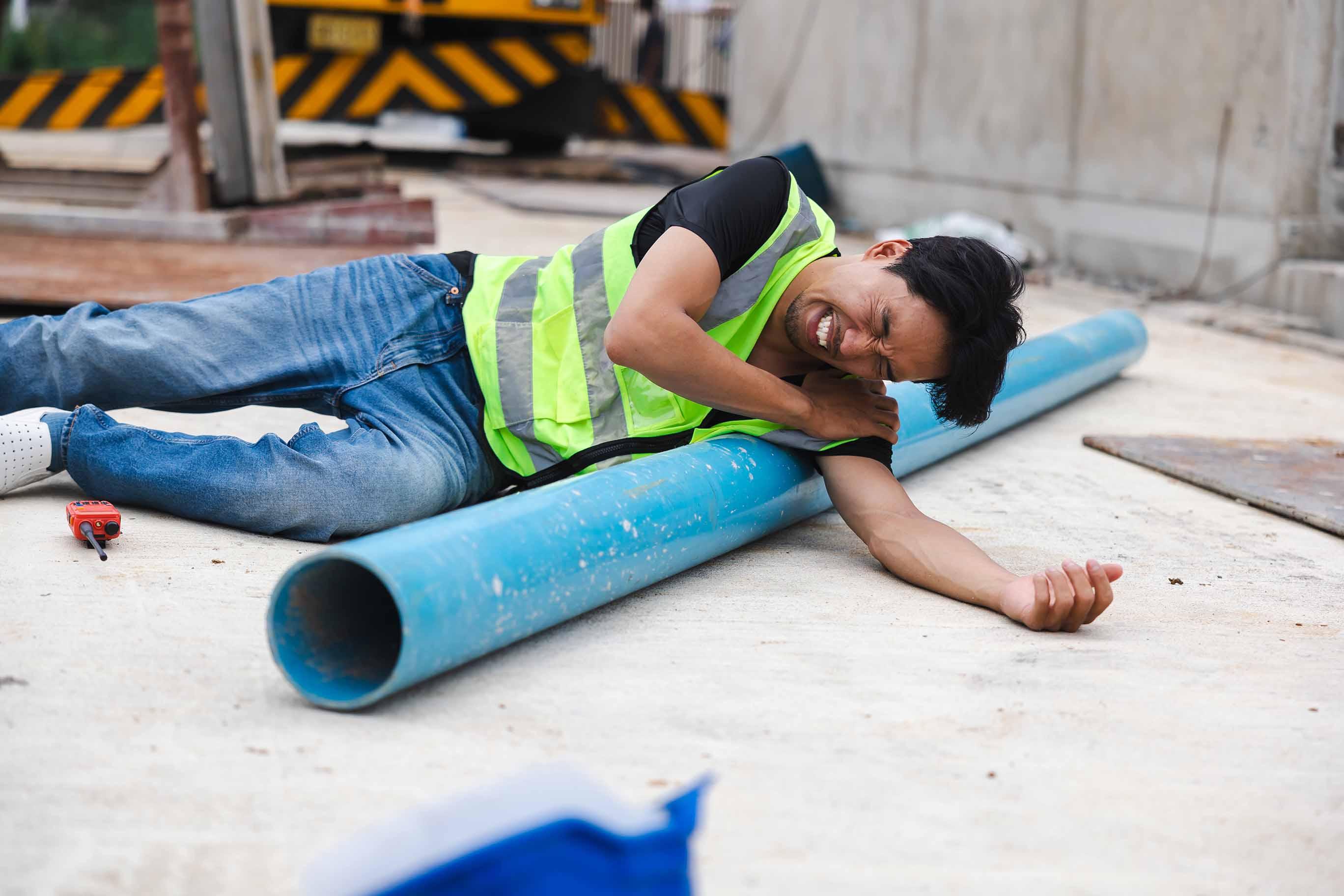
OSHA identifies four leading causes of construction fatalities, often called the “Fatal Four”:
| Accident Type | Percentage of Deaths | Examples |
|---|---|---|
| Falls | 33.5% | Roof falls, scaffolding collapses |
| Struck-by | 9.6% | Falling objects, forklifts, cranes |
| Electrocutions | 8.3% | Overhead power lines, faulty tools |
| Caught-in/between | 5.3% | Trenches, machinery accidents |
Other common incident types affecting construction workers include:
- Trench collapses due to inadequate shoring
- Crane failures from rigging or operation errors
- Roadway work-zone crashes
- Exposure to hazardous materials like silica dust or solvents
- Broken bones and traumatic brain injuries from equipment accidents
The type of accident can influence who may be legally responsible. For example, New York has special labor laws (sections 240 and 241) that can affect liability in gravity-related accidents like falls or falling objects. Evidence such as OSHA reports, maintenance logs, safety training records, and proper training documentation may be relevant to establishing liability.
Hispanic workers represent approximately 25% of the construction industry workforce and face significant risks on job sites. Understanding OSHA regulations and occupational safety standards can help identify when safety regulations were violated.
Protection Against Retaliation and Your Job Rights
Many injured workers fear reporting injuries because they worry about being fired, having hours cut, or being sent home without pay. Federal law and many state laws provide protection against this type of retaliation.
OSHA Section 11(c) prohibits employers from retaliating against workers for:
- Reporting a workplace injury
- Filing a workers compensation claim
- Reporting safety hazards or OSHA safety standards violations
- Participating in safety investigations
Retaliation can take many forms:
- Sudden termination or demotion
- Reduced hours or schedule changes
- Reassignment to dangerous or undesirable tasks
- Unfair discipline following an injury report
If you experience possible retaliation, document everything. Save text messages, emails, and written notes of conversations, including dates, times, and who was present. Under federal law, workers generally have 30 days to file retaliation complaints with OSHA.
If you feel you are being punished for reporting an injury or safety concern, discuss the situation with a knowledgeable attorney who handles workplace and retaliation issues for construction workers.
Legal Deadlines and Why Timing Matters
Strict legal deadlines apply to construction accident cases. Missing these deadlines may affect your ability to recover compensation or receive workers comp benefits.
Reporting deadlines: Many states require you to report a work injury to your employer within a short window—often 30 days. Late reporting can complicate or jeopardize a claim.
Workers compensation filing: Deadlines for filing workers comp claim paperwork vary by state. In Texas, for example, the deadline is generally one year from the injury date.
Statutes of limitations: For personal injury lawsuits against third parties, most states impose a deadline of two to three years from the date of the accident. Missing this deadline typically means losing the right to pursue a legal claim in court.
Gradual injuries: Cases involving cumulative injuries—such as repetitive strain or long-term exposure to hazardous materials—may have different rules. The deadline may begin when you knew or should have known about the work connection to your condition.
Contact an experienced lawyer as early as possible after a construction accident so deadlines can be tracked and protected.
How an Attorney Can Help Protect Your Rights After a Construction Accident
Construction accident cases often involve multiple companies, complex safety rules, and various insurance policies. An accident lawyer can help you understand your options and navigate this complexity.
What an attorney can do:
- Review accident facts and gather evidence (photos, medical records, OSHA findings)
- Identify potential defendants including the general contractor, property owner, subcontractors, or equipment manufacturers
- Handle communications with employers and insurance companies
- File and appeal workers compensation claims
- Calculate wage-loss benefits and evaluate permanent disability
- Assess whether a third-party personal injury lawsuit is appropriate
Many personal injury law attorneys and workers compensation attorneys work on a contingency-fee basis. This means legal fees are typically paid as a percentage of any recovery (often 33-40%). However, clients may still be responsible for certain case costs or expenses regardless of the outcome. Ask any attorney for a clear written explanation of their fee structure before proceeding.
Los Defensores can help connect injured construction workers with independent Spanish-speaking attorneys who handle construction accident cases and offer free initial consultations.
When a Construction Accident Is Fatal: Rights of Families
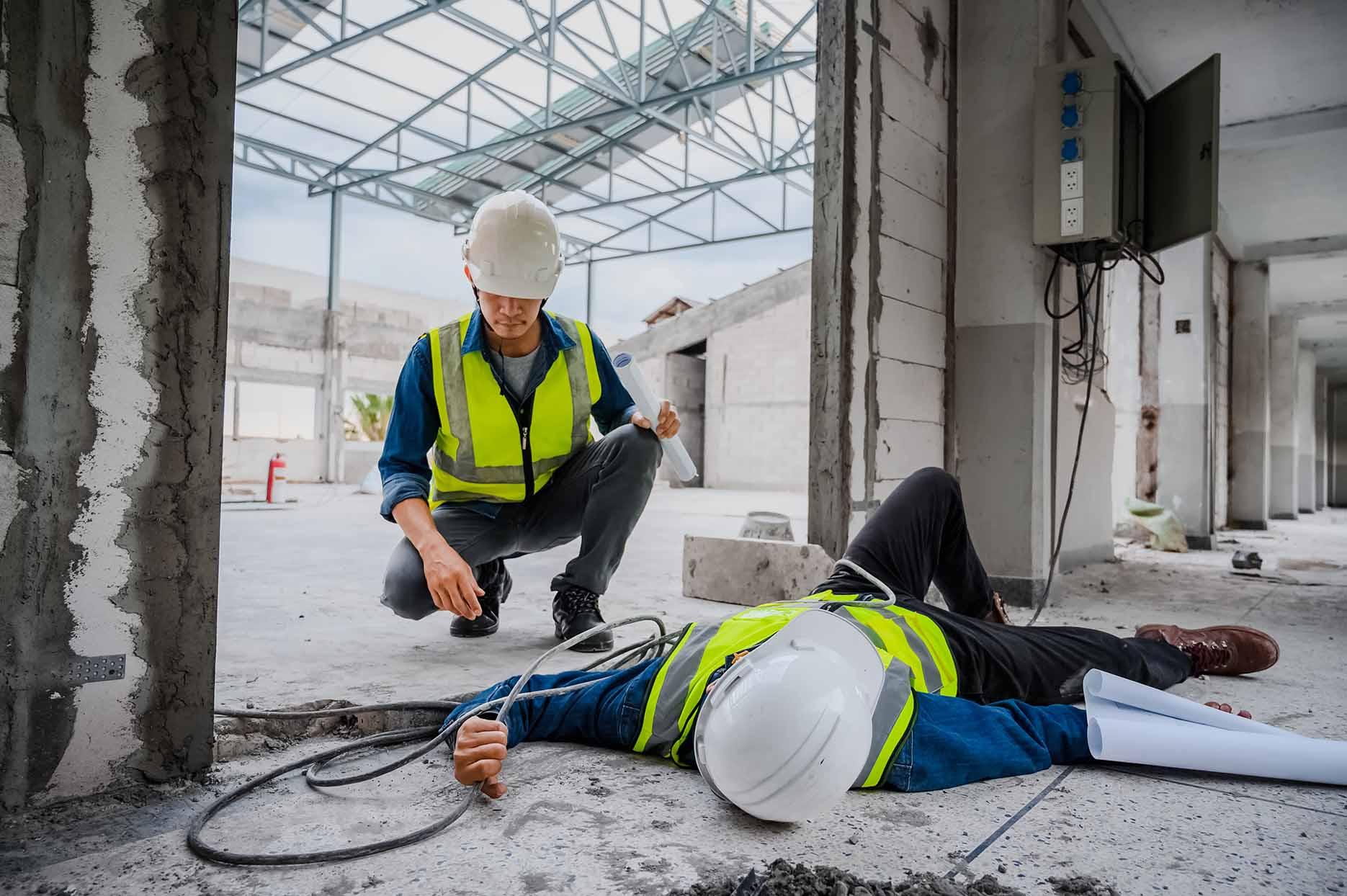
Losing a loved one in a construction accident is devastating. Families facing this tragedy may have important legal rights that deserve attention even during difficult times.
Workers compensation death benefits: Surviving dependents—typically a spouse, children, or sometimes dependent parents—may be eligible for workers compensation death benefits. These can include:
- Partial wage replacement (duration varies by state—up to 500 weeks in Michigan, potentially lifelong for spouses in Texas before remarriage)
- Coverage for funeral expenses
Wrongful death claims: In some situations, families may also bring a wrongful death lawsuit against negligent third parties such as property owners, subcontractors, or equipment manufacturers. These claims may seek both economic damages (financial support the deceased would have provided) and non-economic damages, depending on state law.
Eligibility to bring these claims and available damages vary widely by state. Families should speak with an attorney who handles construction-related wrongful death cases promptly to understand their rights and preserve important evidence from the job site.
How Los Defensores Helps Connect You With Legal Support
Los Defensores is a legal advertising service, not a law firm. Our service helps Spanish-speaking individuals in the United States connect with independent attorneys who handle construction and workplace injury cases.
How it works:
- Contact Los Defensores by phone or online at any time
- Request a free, confidential consultation with an attorney in our network
- Consultations can be conducted in Spanish and English
- Immigration status does not prevent you from speaking with a lawyer about a work injury
All legal advice and legal representation are provided solely by independent, licensed attorneys. Los Defensores does not provide legal services or represent clients in court.
Consulta gratis ahora. Habla con un abogado hoy.

Next Steps If You Were Hurt on a Construction Site
If you experienced a construction site accident, take these steps to help protect your legal rights:
- [ ] Get immediate medical attention for your injuries
- [ ] Report the injury to your supervisor in writing
- [ ] Gather evidence: photos, witness statements, and documentation
- [ ] Keep all medical records, pay stubs, and communications organized
- [ ] Speak with an attorney about workers compensation and possible third party claims
You do not need to understand all the laws before reaching out for help. Simply share what happened, when, and where—an experienced construction accident lawyer can help analyze your legal rights from there.
If you are unsure where to start, contact Los Defensores to be connected with an independent attorney for a free case review in Spanish or English. Remember that legal deadlines may apply, and taking early, organized steps can make it easier to protect your rights after a construction accident.
Paid attorney advertising by attorneys participating in a joint advertising program, including David F. Makkabi, who is licensed to practice law in California only. A complete list of joint advertising attorneys can be found at https://www.losdefensores.com/patrocinadores. This is a group ad for independent law firms. Los Defensores is a marketing firm, not a law firm nor a lawyer referral service. Los Defensores may connect consumers with independent participating attorneys; however, no attorney-client relationship is established unless and until the consumer signs a retainer agreement with the attorney. This article is for general informational purposes only, is not legal advice and does not create an attorney-client relationship. Results vary based on the specific facts and law applicable to each case. This content was created with AI assistance and reviewed for accuracy, including the images contained herein. Hiring a lawyer is an important decision and should not be based solely on ads. No claim is made that participating attorneys are better than others.