





If you were hit by a driver without insurance or an underinsured driver, your options may depend on your own insurance coverage, the facts of the crash, and the laws in your state. In many cases, uninsured or underinsured motorist coverage may help pay for some losses, but not every policy works the same way. About 15.4% of motorists in the U.S. were uninsured in 2023, according to the Insurance Research Council, so this is a fairly common issue.
An accident with an uninsured driver can make the claims process more complicated, but it does not always leave you without options. Depending on the situation, you may be able to use your own policy, look to other potentially responsible parties, or explore legal action against the at-fault driver.
At a glance:
- If the at-fault driver has no insurance, your uninsured motorist (UM) coverage may help.
- If the driver has insurance, but not enough, underinsured motorist (UIM) coverage may apply.
- You may also have a claim against another person or company that contributed to the crash.
- Suing an uninsured driver is possible, but collecting money can be difficult if that person has few assets.
- If you do not have insurance either, your options may still exist, but they can be more limited depending on state law and the facts.
How common are uninsured drivers?
Even though most states require drivers to show financial responsibility, many people still drive without enough coverage—or without insurance at all. According to the Insurance Research Council, more than one in seven drivers in the U.S. was uninsured in 2023. Rates also vary widely by state.
There is also a difference between an uninsured driver and an underinsured one. An uninsured driver has no applicable auto coverage. An underinsured driver has insurance, but not enough to fully cover the losses from a serious crash. The Insurance Information Institute and NAIC both describe UM/UIM coverage as protection designed for exactly these situations.
What should you do after an accident with an uninsured driver?
The first priority is safety. If anyone may be injured, call 911 and seek medical attention as soon as possible. Even if you feel okay at first, some injuries may not be obvious right away. Medical records can also help document the connection between the crash and your injuries later on.
After that, basic documentation can make a big difference. Try to:
- call the police and ask how to get the report;
- take photos of the vehicles, visible injuries, debris, and the road layout;
- get the other driver’s name, contact information, license plate number, and driver’s license information;
- ask witnesses for their names and contact information; and
- notify your insurer promptly and ask what coverage may apply.
If the other driver says they do not have insurance, do not assume that is the final word. Your insurer may still verify whether any policy applies, including a policy held by the vehicle owner or an employer in some situations.
Can your own insurance help?
Sometimes, yes. If you carry uninsured motorist (UM) coverage, it may help if the at-fault driver has no insurance or in some hit-and-run situations. If the other driver has some coverage, but not enough, underinsured motorist (UIM) coverage may apply. What these coverages pay for depends on your state and the wording of your policy.
In general:
- UM bodily injury coverage may help with medical expenses and, depending on state law, other injury-related losses.
- UIM coverage may help when the at-fault driver’s liability limits are too low to cover the full value of the claim.
- UM property damage (UMPD) may help pay for vehicle damage in some states, but it is not available everywhere.
This is an important detail: UM coverage does not always pay for damage to your car. In many states, that type of protection depends on whether your policy includes UM property damage or collision coverage. If you are unsure, check your declarations page or ask your insurer what type of UM/UIM protection you actually carry.
Which insurance coverage may apply after a crash with an uninsured driver?
If you were hit by a driver without insurance, the type of coverage available may depend on your auto policy, your state, and who was at-fault for the accident.
Some of the most common types of insurance that may come up after a car accident involving uninsured or underinsured drivers include:
- Uninsured motorist coverage, which may help if the at-fault driver has no car insurance.
- Underinsured motorist coverage, which may apply if the other driver has liability insurance, but not enough to fully cover your losses.
- Collision coverage, which may help pay for damage to your vehicle, regardless of who caused the crash, subject to your deductible and policy limits.
- Personal injury protection, or PIP, which may help cover certain medical expenses and other covered costs in some states, regardless of fault.
Not every type of coverage applies in every case. Some policies may cover bodily injury but not property damage, while others may have different limits, exclusions, or state-specific rules. Your insurance company can explain what is included in your auto insurance policy and what type of claim you may be able to make.
Who else may be liable for the crash?
If the uninsured driver caused the accident, that driver may still be the main at-fault party. But sometimes another person or entity may share responsibility too. That can matter if the uninsured driver has limited assets and no policy to pay the claim.
Depending on the facts, other potentially liable parties could include:
- the owner of the vehicle, if different from the driver;
- an employer, if the driver was working at the time of the crash;
- another driver who contributed to the accident; or
- a manufacturer, if a vehicle defect played a role.
In some cases, road design or maintenance issues may also matter, though claims against public entities can involve special rules and shorter deadlines. That part of the analysis is very state-specific.
What if more than one person was involved in the accident?
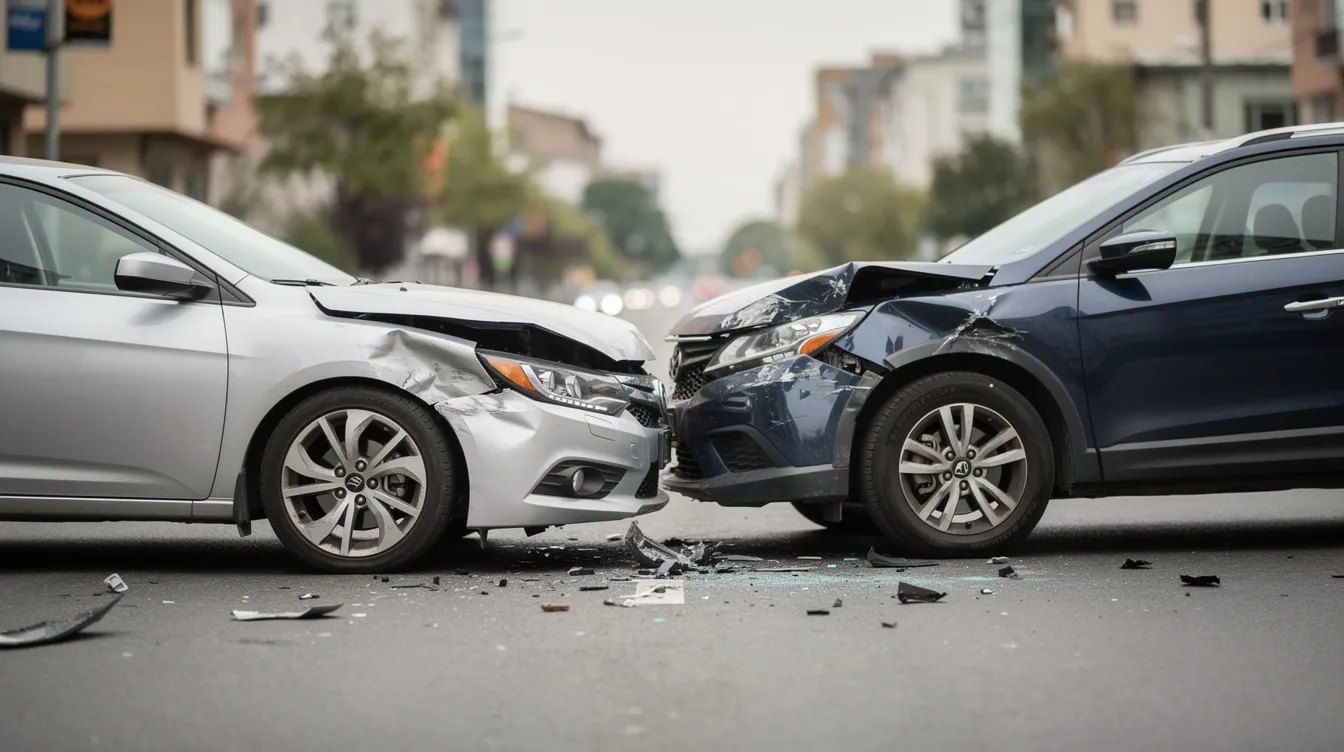
In some cases, more than one person or entity may share liability for an accident. Even if the uninsured driver seems to be the main at fault driver, another at-fault party may also have contributed to the crash.
For example, another driver may have made an unsafe lane change, the owner of the vehicle may have allowed someone to drive without proper insurance, or an employer may be involved if the accident happened during work-related driving.
This can matter because if more than one party shares fault, there may be additional sources of coverage or compensation. It may also affect how insurers evaluate the claim, how much they may pay, and whether there are enough available policy limits to help with medical bills, property damage, and other losses.
Can you sue an uninsured driver?
You may be able to sue an uninsured driver, but that does not always mean it makes financial sense. A lawsuit may result in a judgment, but collecting from someone who has little income or few assets can be difficult. That is one reason many people first look to their own UM/UIM coverage, if available.
That said, a lawsuit may still be worth discussing if:
- the crash caused serious injuries;
- the uninsured driver may have assets;
- another party may also be liable; or
- there is a dispute about who caused the crash.
Because collection issues vary so much, whether it makes sense to sue usually depends on both liability and practical recovery options—not just whether the other driver was at fault.
What if you don’t have insurance either?
Not having your own insurance can make things harder, but it does not automatically mean you have no claim. In many situations, you may still be able to seek compensation if another party caused the crash. However, your options may be more limited if you do not carry UM/UIM coverage, because you cannot use protection that is not on your policy.
It is also important to remember that some states impose penalties for driving without insurance, and a few states have rules that can affect what uninsured drivers may recover in certain situations. Those rules vary, so the details depend heavily on where the crash happened.
What losses may be covered?
What you may recover depends on the claim path and the insurance available. In general, potentially covered losses may include:
- medical bills;
- lost income;
- vehicle repair or replacement costs;
- other out-of-pocket expenses; and
- pain and suffering, where allowed by state law and the type of claim involved.
The exact categories and limits can vary a lot. A state’s no-fault rules, your policy language, liability limits, and the severity of the injuries can all affect what is recoverable.
When should you talk to a lawyer?
You may not need a lawyer after every accident. But it may help to speak with one if:
- you have significant injuries;
- the other driver was uninsured or underinsured;
- there is a dispute about fault;
- the insurer is denying or minimizing part of the claim; or
- another party, such as an employer or vehicle owner, may be involved.
An attorney may be able to review the available insurance, identify other potentially liable parties, and explain how the laws in your state may affect your options. Since uninsured-driver cases often involve overlapping insurance and liability issues, legal guidance can be especially useful in more serious crashes.
Common claim issues after an accident with an uninsured or underinsured driver
A claim involving an uninsured or underinsured driver can raise practical questions that do not always come up in a typical car accident case.
Some common issues include:
- whether the other driver truly had no insurance at the time of the crash;
- whether your insurance company will treat the other driver as uninsured or underinsured;
- whether your uninsured motorist coverage or underinsured motorist coverage applies to bodily injury, property damage, or both;
- whether your collision coverage may help with vehicle repairs;
- whether a hit and run driver may be treated as an uninsured motorist under your policy; and
- whether there are enough available limits to help cover your medical expenses, medical bills, lost income, and other costs.
Because every auto insurance policy is different, it often makes sense to review your coverage carefully and keep records of every report, bill, estimate, and communication related to the accident.
Bottom line
Being hit by an uninsured driver can complicate an already stressful situation, but it does not necessarily leave you without options. Your own UM/UIM coverage, the details of the crash, and the laws in your state may all shape what you may be able to recover. About 15.4% of U.S. drivers were uninsured in 2023, so this is an issue many drivers may face.
If you were injured in a crash involving an uninsured or underinsured driver, it may help to review your policy, gather documentation early, and get advice about what coverage and claim options may apply to your situation.
How Los Defensores can help

Los Defensores is a legal advertising service, not a law firm, and does not provide legal advice. Legal services are provided by independent attorneys. If you were injured in a car accident involving an uninsured or underinsured driver, Los Defensores can connect you with an independent attorney in its network for a free, confidential consultation in Spanish or English.
Frequently asked questions about accidents involving uninsured drivers
If the other driver has no insurance, try to document the scene, call the police, get medical care if needed, and notify your insurance company as soon as possible. You may still have options through uninsured motorist coverage, collision coverage, or other parts of your auto insurance policy.
It may, depending on your coverage. Uninsured motorist coverage may help if the at-fault driver had no car insurance, while collision coverage may help pay for damage to your vehicle. In some states, personal injury protection or other coverages may also apply.
Uninsured motorist coverage may apply when the other driver has no insurance at all. Underinsured motorist coverage may apply when the other driver has liability insurance, but the available policy limits are too low to fully cover your injuries, property damage, or other losses.
Possibly. Even if the at-fault driver has few assets, you may still be able to file a claim under your own uninsured or underinsured motorist coverage, depending on your policy. In some cases, another at-fault party may also be involved.
In some situations, a hit and run driver may be treated as an uninsured motorist under your policy. Whether coverage applies can depend on state laws, the facts of the accident, and the terms of your insurance policy.
Not always. In some states, uninsured motorist coverage applies mainly to bodily injury. Damage to your car may depend on whether your policy includes collision coverage or a specific form of property damage protection.
In many cases, a person may still have legal options after a car accident involving an uninsured driver or underinsured driver, regardless of immigration status. However, the rules can vary depending on the state, the type of claim, and the facts of the accident, so it may help to speak with a lawyer about your specific situation.
It may make sense to speak with a lawyer if you suffered serious injuries, if there is a dispute about fault, if the insurance company is denying part of the claim, or if the accident involved uninsured or underinsured drivers and multiple parties may be involved.
This article provides general educational information and does not constitute legal advice for any specific situation. This content does not constitute legal advice and should not be relied upon as a substitute for consultation with a qualified attorney.