



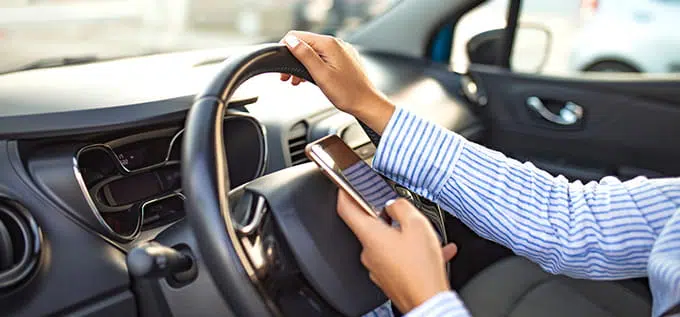

Reckless driving accidents happen daily on American roads, from high-speed collisions on California’s I-5 corridor to aggressive driving crashes along the East Coast’s I-95. In 2019 alone, U.S. traffic accidents caused over 36,000 deaths and 2.74 million injuries, with speeding—a hallmark reckless behavior—contributing to 17.2% of fatal crashes. When a reckless driver causes a car accident, victims often face mounting medical expenses, lost wages, and lasting physical harm.
This article focuses on reckless driving accident claims—the civil cases that allow injured people to pursue compensation for their losses. This is separate from defending against a reckless driving charge in criminal court. Whether the accident caused by dangerous conduct involved excessive speeding, DUI, aggressive driving, or street racing, victims of reckless driving may have legal options to seek justice.
Los Defensores is a legal advertising service that helps connect Spanish-speaking reckless driving accident victims with independent personal injury attorneys for a free consultation (“consulta gratis”). Legal services are provided by those independent attorneys—not by Los Defensores.
What you will learn:
- How state law defines reckless driving and why it matters for your car accident claim
- The elements of negligence and how to gather compelling evidence
- Types of damages you may include in a personal injury claim
- Deadlines for filing and practical steps to protect your rights
- How to connect with an experienced attorney through Los Defensores
What Is Reckless Driving in the Context of an Accident Claim?
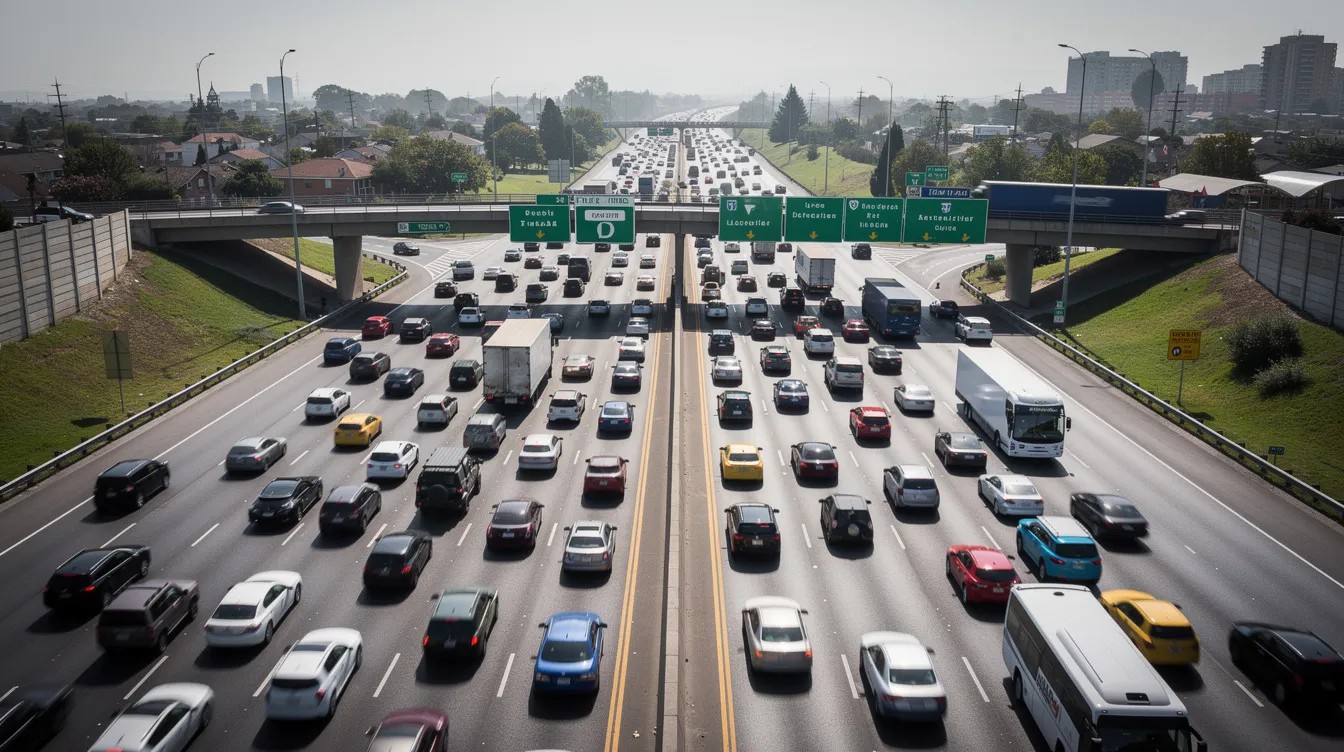
Each state defines reckless driving differently, but many use phrases like “willful or wanton disregard for the safety of persons or property.” Reckless driving is defined as operating a vehicle in a manner that shows a complete disregard for the safety of others on the road, which is more severe than negligent driving that involves simple carelessness.
Specific reckless driving behaviors include:
- Driving 20+ mph over the posted speed limit in a residential area
- Going over 85 mph on a freeway
- Street racing on city streets
- Running red lights or traffic signals repeatedly
- DUI/DWI involving alcohol, drugs, or impairing prescription medications
- Aggressive weaving through traffic or tailgating
In states like California, Colorado, Virginia, and Utah, a reckless driving charge is typically prosecuted as a misdemeanor crime, separate from any civil injury claim. In Virginia, reckless driving is classified as a Class 1 misdemeanor, which can result in serious penalties including jail time and a criminal record.
Negligent vs. Reckless Driving: Simple negligence involves carelessness—briefly glancing at a phone or distracted driving. Recklessness, however, involves knowing behavior that makes a crash much more likely, like racing through traffic or blatant disregard for the speed limit in school zones. Reckless driving behaviors such as excessive speeding (20 mph over the limit), driving under the influence, and aggressive weaving through traffic all demonstrate a willful disregard for safety.
A reckless driving arrest or traffic citation provides strong evidence in a civil case, but victims may still bring a claim even without a reckless driving ticket.
How Negligence Works in Reckless Driving Accident Claims
Most reckless driving accident claims are personal injury cases based on negligence law, even when the at fault driver also faces criminal charges. To establish negligence in a reckless driving case, the injured party must prove four elements:
- Duty of care: All drivers have a legal duty to follow traffic laws and act responsibly toward other motorists
- Breach of duty: The reckless driver’s actions violated that duty through dangerous conduct
- Causation: The reckless behavior directly caused the crash and injuries
- Damages: Real physical, emotional, and financial harm resulted
Real-world examples:
- A driver doing 95 mph on I-10 near Los Angeles loses control and rear-ends a family minivan, causing severe injuries
- A drunk driver runs a red light near a busy Houston intersection and hits a pedestrian in the crosswalk
In civil lawsuits, the burden of proof is a preponderance of the evidence (more likely than not), which is lower than the beyond a reasonable doubt standard in criminal reckless driving cases. A conviction for reckless driving in criminal court can serve as compelling evidence in a civil lawsuit, although it is not definitive proof of liability.
State rules vary significantly. Virginia law follows contributory negligence—in Virginia, if a driver is found even 1% at fault for an accident, they are barred from recovering damages. Many other states use comparative negligence, reducing awards based on the injured party’s percentage of fault.
Common Types of Reckless Driving Behaviors That Lead to Claims
Certain dangerous behaviors regularly appear in police reports and insurance claims after serious crashes. Understanding these can help establish the driver’s behavior as reckless conduct.
Common reckless behaviors:
- Excessive speeding: Driving 30+ mph over the limit in a 35 mph zone, or exceeding 100 mph on freeways
- Street racing: Organized “takeovers” at urban intersections, contributing to traffic fatalities
- DUI/DWI: Operating a motor vehicle under the influence of alcohol, illegal drugs, or certain medications
- Aggressive driving: Tailgating, weaving, brake-checking, or road rage incidents endangering other drivers
- Ignoring traffic signals: Running red lights or stop signs near schools or busy crosswalks
- Weather-related recklessness: Speeding in heavy rain, black ice, or construction zones
- Dangerous passing: Passing on blind curves or in no-passing zones on rural highways
These negligent behaviors can result in whiplash, spinal cord injuries, back injuries, or harm to pedestrians. Even without a reckless driving charge, these same behaviors prove negligence in car accident cases.
Evidence That Can Support a Reckless Driving Accident Claim
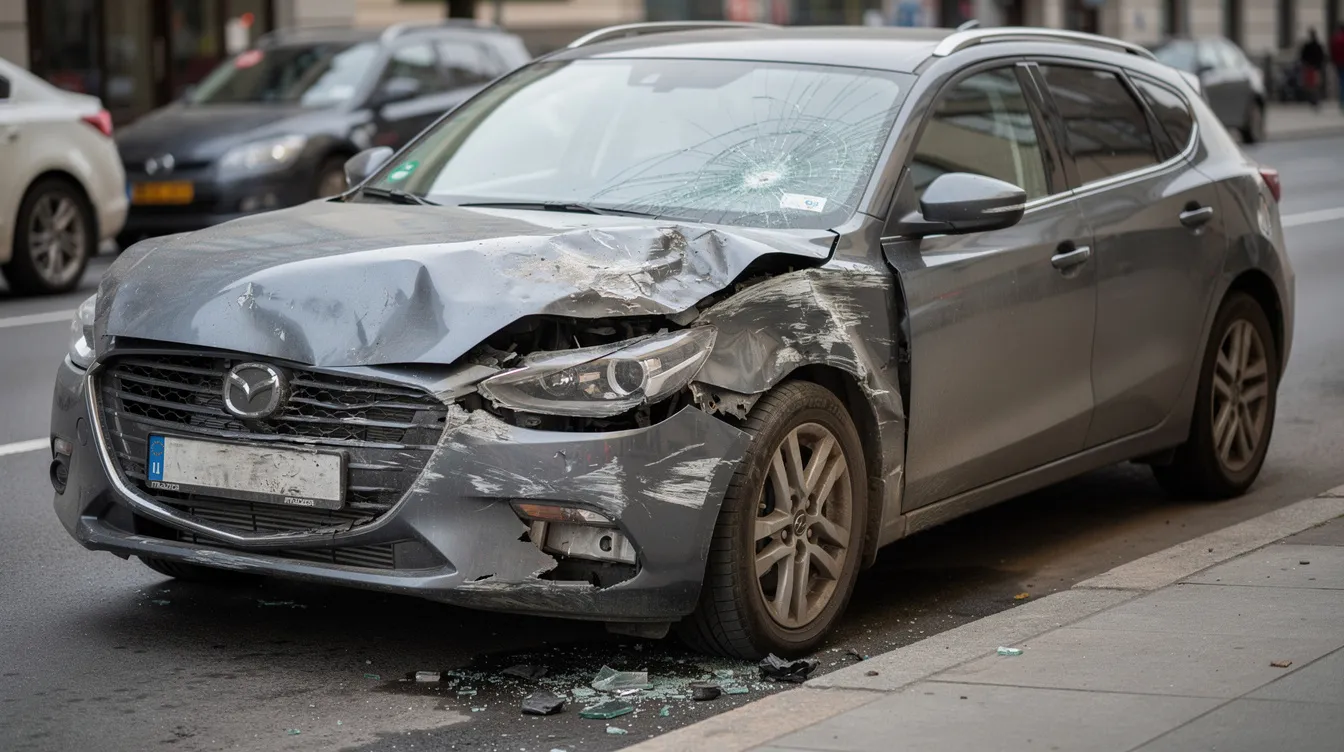
Strong evidence can make a major difference in reckless driving cases, especially where fault is disputed. In reckless driving accidents, the police report is crucial for documenting evidence of reckless behavior and establishing the liability of the reckless driver.
Key evidence types:
- Police reports and crash diagrams: Notes about speeding, alcohol, or aggressive driving
- Traffic citations or criminal charges: Including outcomes when available
- Eyewitness statements: From passengers, bystanders, and nearby drivers
- Photos and videos: Dashcams, security cameras, traffic cameras, and smartphone footage
- Physical evidence: Skid marks, vehicle debris patterns, damage locations at the accident scene
- Event data recorders: “Black box” data showing vehicle speed, braking, and steering inputs
- Medical records: Linking injuries to the collision date when the accident occurred
- Employment records: Pay stubs showing lost wages after the crash
Evidence of negligence includes police reports, photographs of the scene, witness statements, and any video footage depicting the recklessness. To prove reckless driving caused an accident, evidence such as police reports, eyewitness testimony, and traffic camera footage can be crucial. Gathering evidence such as dashcam footage, photos from the accident scene, and expert testimony from accident reconstruction specialists can strengthen a reckless driving claim.
Attorneys in the Los Defensores network may use accident reconstruction experts, medical experts, or economists to interpret complex evidence. Victims should gather compelling evidence quickly—save dashcam files, request police reports, and photograph visible injuries before they fade.
Types of Damages Often Claimed After a Reckless Driving Accident
“Damages” are the categories of losses a person may include in a civil car accident claim. No specific dollar amounts are guaranteed—outcomes vary by case, facts, state law, and insurance limits.
Common damage categories:
- Medical expenses: Emergency care, hospitalization, surgeries, rehabilitation costs, physical therapy, and medical devices
- Future medical care: For serious injuries like spinal cord injuries or traumatic brain injuries
- Lost wages: Time off work for recovery, appointments, and temporary disability; compensation may be claimed if injuries prevent working or force a lower-paying job
- Reduced earning capacity: When victims cannot return to the same work (e.g., construction workers with back injuries)
- Property damage: Vehicle repairs or replacement, damaged phones, car seats, or tools
- Pain and suffering: Physical pain, limitations in daily activities, chronic discomfort—this encompasses physical pain, emotional distress, and loss of enjoyment of life resulting from injuries
- Emotional distress: Anxiety, sleep problems, post-traumatic stress symptoms
- Loss of enjoyment of life: Difficulty participating in family events, sports, or cultural activities
Victims of reckless driving accidents can seek compensation for various damages, including medical expenses, lost wages, pain and suffering, and property damage. In cases of extreme recklessness—like particularly egregious behavior such as high-speed street racing in a school zone or repeat DUIs—punitive damages may be awarded to punish the wrongdoer for egregious behavior and deter future misconduct.
Deadlines and Legal Time Limits for Reckless Driving Accident Claims
Every state sets a “statute of limitations”—a deadline for filing an injury lawsuit—which can be as short as 1–3 years from the reckless driving crash date.
Sample time frames:
- California: Generally 2 years from the date of injury for most personal injury claims
- Colorado and Utah: Often 3 years from a motor vehicle accident date
- Government entities: Shorter deadlines may apply (e.g., 6 months notice for city vehicle crashes)
- Property damage: Deadlines may differ from bodily injury claims
- Minors or incapacitated victims: Some states allow extended time
Waiting too long creates legal implications—witnesses move, videos are lost, and records become harder to obtain. Speak with an independent attorney in your state as soon as possible to learn about specific deadlines. The civil consequences of missing these deadlines can eliminate your ability to seek compensation entirely.
What to Do After a Suspected Reckless Driving Accident
The moments after a crash can be chaotic, especially with children or elders in the vehicle. Safety and medical care come first.
Practical steps:
- Call 911 immediately—request police officers and medical help
- Move to a safe area if possible without aggravating injuries
- Seek medical attention at the scene or emergency room, even if symptoms seem mild
- Take photos and videos of vehicle positions, damage, skid marks, weather conditions, and visible injuries
- Collect contact and insurance information from all drivers; get witness names and phone numbers
- Avoid statements like “I’m fine” or “It was my fault”
- Do not sign documents or give recorded statements to the at fault party’s insurer before speaking with legal counsel
- Keep copies of medical bills, vehicle repairs estimates, towing receipts, and time-off records
How a Personal Injury Attorney Can Assist in a Reckless Driving Accident Claim
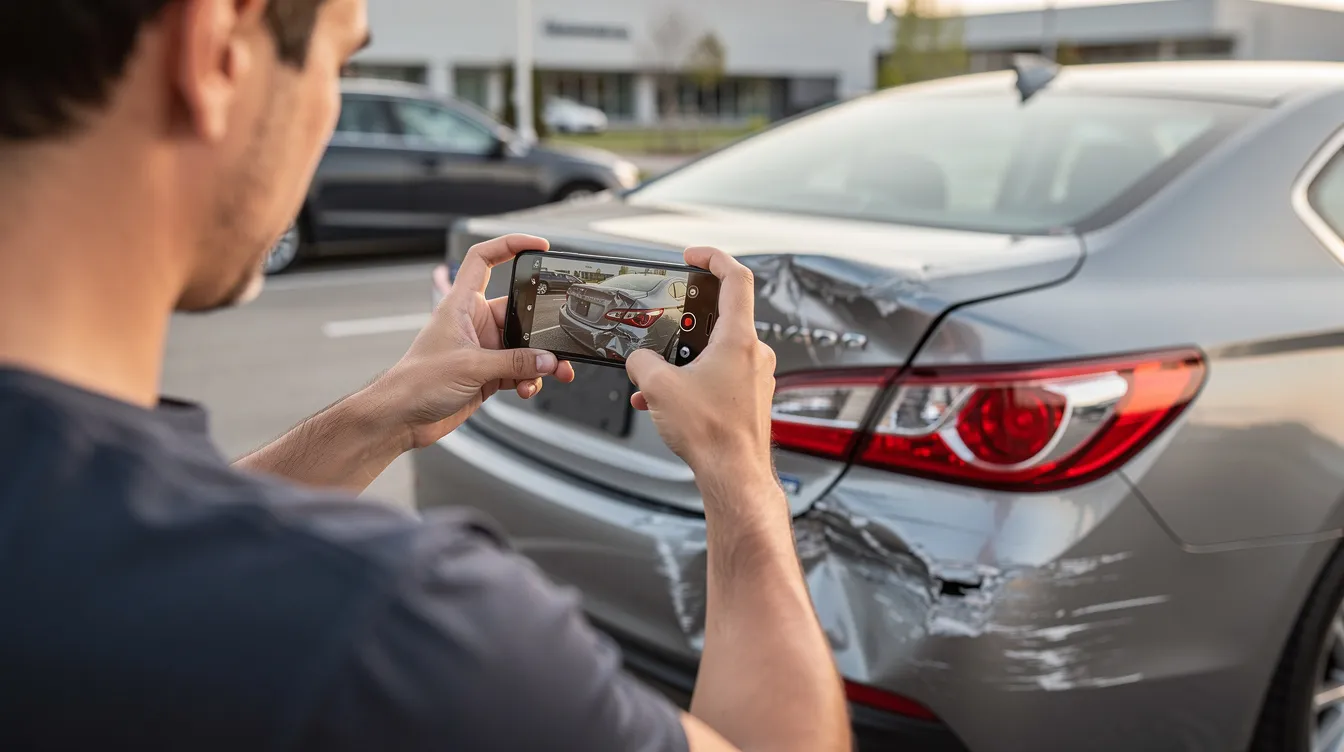
Reckless driving claims can involve both civil and criminal aspects, multiple insurance policies, and complex evidence. Many people consult a personal injury attorney or car accident attorneys to navigate these challenges.
How independent attorneys commonly assist:
- Reviewing police reports and crash evidence to evaluate potential claims
- Identifying all potentially responsible parties—in accidents involving reckless driving, the at-fault driver is typically liable, and if acting within employment scope, the employer may share responsibility under vicarious liability
- Communicating with insurance adjusters and handling paperwork
- Helping clients understand state-specific rules like comparative or contributory negligence
- Coordinating with expert witnesses when appropriate
- Preparing settlement demands organizing medical records and wage documentation
- Filing a lawsuit if negotiations fail
Insurers may attempt to downplay reckless behavior to reduce settlement amounts, and in extreme cases, may deny coverage entirely. An experienced attorney can help address these challenges. Note that Los Defensores does not provide legal services—it connects individuals with independent attorneys who handle these tasks.
Reckless Driving Accidents in the Hispanic Community
Many Spanish-speaking drivers, passengers, pedestrians, and workers in the U.S. are involved in serious roadway collisions, including reckless driving accidents. The Hispanic community faces unique challenges after such crashes.
Common concerns:
- Language barriers when speaking with police officers, paramedics, and insurance adjusters
- Fear that immigration status could affect medical care or the ability to seek legal help
- Limited transportation access after a vehicle is totaled, affecting work and family obligations
- Concern about missing work for appointments and impacting household income
In many states, people can pursue civil personal injury claims regardless of immigration status. Attorneys in the Los Defensores network communicate in Spanish and treat consultations confidentially. If you need to recover compensation, your status should not prevent you from exploring your options.
How Los Defensores Helps Connect You with Legal Support
Los Defensores is a national Spanish-language legal advertising service focused on personal injury, workplace accidents, and employment law—including reckless driving accident situations.
What Los Defensores does:
- Los Defensores is not a law firm and does not provide legal advice or representation
- The service helps connect callers with independent attorneys who handle personal injury and driving accidents claims
- Initial consultations offered through participating attorneys are free (“consulta gratis”)
- Fee structures like contingency fees are explained by the independent attorney
- Decisions about accepting cases and legal strategies are made between the attorney and client
If you were injured in a suspected reckless driving crash—whether as a driver, passenger, pedestrian, bicyclist, or motorcyclist—reach out by phone or online to speak with someone in Spanish about connecting with an attorney. Clients may still be responsible for certain costs; discuss details directly with your attorney.
Frequently Asked Questions About Reckless Driving Accident Claims
Many injured people have similar questions after serious injuries from a reckless driving crash.
No. Civil claims can proceed based on evidence of dangerous driving even without a criminal conviction. Traffic violations and police reports often suffice to establish fault.
It depends on your state. Under virginia law and contributory negligence rules, any fault bars recovery. Most states use comparative negligence, reducing—but not eliminating—recovery based on your percentage of fault.
Uninsured/underinsured motorist coverage may apply. Report hit-and-run crashes immediately to pursue compensation through available channels.
Timelines vary based on injuries, treatment duration, evidence complexity, and whether a lawsuit is filed. Results vary by case.
In many states, people can seek compensation regardless of status. Discuss this confidentially with an attorney.
Next Steps if You Were Hurt in a Reckless Driving Accident
Reckless driving creates both criminal and civil consequences. Injured people may have the right to pursue claims for medical expenses, lost wages, and other losses based on the at fault party’s reckless conduct.
Suggested next steps:
- Continue all recommended medical treatment and follow-up appointments
- Keep a folder with medical records, bills, photos, and notes about pain levels and daily limitations
- Avoid posting detailed accident information on social media—insurers may review public posts
- Consider contacting Los Defensores to connect with an independent personal injury attorney who can explain options in Spanish
- Ask about deadlines, evidence needs, and potential strategies for your specific state
This article provides general educational information and does not constitute legal advice for any specific situation. This content does not constitute legal advice and should not be relied upon as a substitute for consultation with a qualified attorney.