




More traffic, more distraction, and more risk. Data, road safety tips, and what to do if you’re in an accident on game day.
Several road safety studies and campaigns have linked major sporting events with increased traffic risk — especially due to alcohol, distraction, congestion, and fatigue. Streets fill with fans, highways get backed up hours before kickoff, cars speed by with music blasting, and the atmosphere of celebration — or frustration, depending on the result — carries directly onto the roads.
For events like the 2026 World Cup in cities like Los Angeles, Miami, New York, Dallas, and other host cities across the United States, these risks can become more visible and more widespread.
Studies and road safety campaigns have found that major sporting events can create higher-risk driving conditions, especially when alcohol, congestion, distraction, and late-night travel are involved.
Heavy traffic, distracted driving fueled by the excitement of the game, alcohol consumption before and after the event, and the rush to get there on time create a combination of factors that significantly increases the likelihood of accidents.
Why Accidents Increase on Game Days
More cars, more congestion, more chances for error
When tens of thousands of people head to the same destination in a short period of time, the inevitable result is severe congestion.
And severe congestion, contrary to what many people assume, doesn’t reduce accident risk — it increases it.
Stop-and-go traffic creates more opportunities for rear-end collisions, abrupt lane changes by impatient drivers, and risky maneuvers by people trying to save a few minutes by taking exits or alternate routes without proper caution.
Distracted driving caused by the game itself
One of the least discussed but most relevant factors is the distraction created by the game itself.
Drivers checking the score on their phones while behind the wheel, listening to the broadcast so intensely they lose focus on the road, or literally trying to watch clips of the game on screens inside the car.
The excitement of a goal, a controversial call, or a close score can trigger physical reactions — shouting, hitting the steering wheel, sudden movements — that compromise vehicle control in a matter of seconds.
The alcohol factor
Bars, restaurants, and house parties for watching games typically involve alcohol, and many people underestimate their level of intoxication when the excitement of the event mixes with drinks.
The hours after a big game — especially at night, when fans leave bars and restaurants heading home — represent a window of time with a higher rate of impaired drivers on the road.
The rush before and after the event
Running late to a game creates anxiety, and that anxiety turns into more aggressive driving: speeding, lane changes without proper signaling, yellow lights treated as a challenge instead of a warning.
After the game, the rush to beat the exit traffic produces the same effect, multiplied by the accumulated fatigue from several hours at the event.
What the Data Shows
One widely cited study published in The New England Journal of Medicine found an increase in traffic fatalities after the Super Bowl compared with similar Sundays. Federal safety campaigns have also warned drivers about impaired driving around major game days, including Super Bowl Sunday, with messages such as “Fans Don’t Let Fans Drive Drunk.”
Large sporting events can also affect traffic even when no crash occurs. During the 2026 World Cup, several U.S. host cities have announced road closures, detours, special transportation plans, fan festival access routes, and temporary traffic changes around stadiums and public viewing areas. In New York City, match days have been designated as Gridlock Alert Days. In Philadelphia, officials announced road closures near Fan Festival areas. Kansas City has also warned residents and visitors to expect traffic impacts related to World Cup festivities.
There have also been tragic reminders that the risk is not limited to fans inside the stadium. In Los Angeles, a 22-year-old World Cup security worker died after being hit by a car while walking home from work near SoFi Stadium after a match. Incidents like this do not prove that every game day is dangerous, but they show why drivers should be especially alert around stadiums, pedestrian routes, fan zones, parking lots, bars, and transit hubs.
The highest-risk windows often fall in the hours before an event, when traffic toward the stadium or fan zones peaks, and after the event, when fans, workers, pedestrians, rideshare drivers, and local traffic are all moving through the same areas at once.
Road Safety Tips for Game Days
Leave with far more time than you’d normally plan for. Rushing is one of the top risk factors. If you know traffic is going to be heavy, just leave earlier. Arriving an hour early to the stadium is infinitely better than risking your safety on the road to save 15 minutes.
Designate a driver if you’re going to drink. This is the most basic recommendation — and at the same time, the most ignored. If your plan includes drinks during the game, decide in advance who’s driving home, or use transportation options like Uber, Lyft, or public transit available in your city.
Put your phone away during the drive. The score can wait. No play is worth the risk of checking your phone while driving in heavy traffic with impatient drivers all around you.
Stay calm even if the game left you frustrated or euphoric. Intense emotions affect your ability to make quick, sound decisions behind the wheel. If you need a moment to process what you just watched, it’s okay to take a break before driving.
Know your route and alternatives ahead of time. Check real-time traffic before leaving, identify alternate routes, and avoid making improvised navigation decisions while you’re already driving.
Be extra careful with pedestrians and fans walking nearby. Around stadiums and Fan Fest zones, it’s common for people to cross streets outside designated areas, distracted by the excitement of the event. Slow down and stay especially alert in these zones.
What to Do If You’re in a Car Accident on Game Day
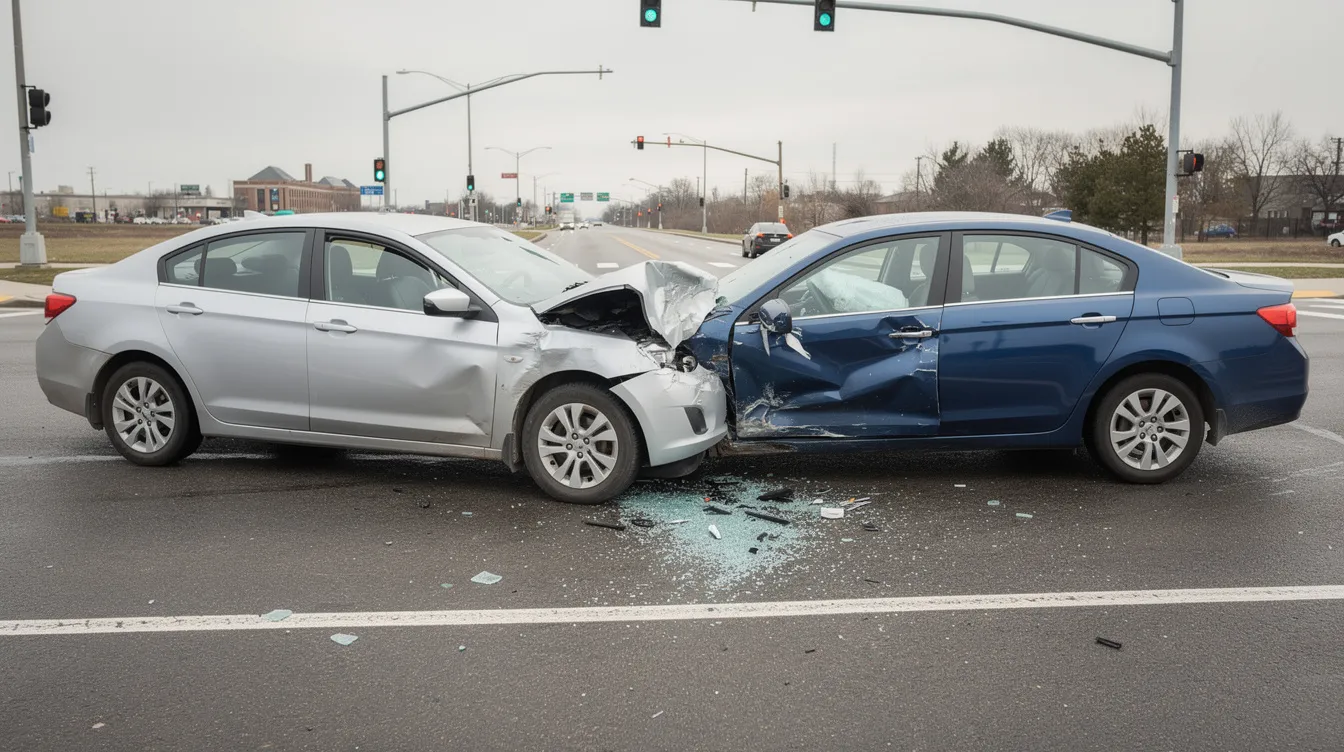
If you’re involved in a car accident while going to or coming back from a game, the steps you take in the first few minutes can be important for both your safety and any legal process that may follow:
Check that everyone is okay and seek medical attention if needed. The safety of everyone involved is always the priority before any other consideration.
Call the police and request an official accident report. This document is a key piece of evidence, especially on a day with unusually heavy traffic where the circumstances of the accident can be harder to reconstruct later.
Document the scene with photos. The position of the vehicles, the damage, traffic signs, traffic conditions at that moment. On a game day, with so many vehicles in motion, this documentation is particularly valuable.
Get the other party’s information and any available witnesses. Name, license number, insurance information, and contact details for any witnesses near the scene.
Don’t assume responsibility or make extensive statements at the scene. Stick to the basic facts with police and avoid speculating about causes or fault while the situation is still being assessed.
Contact your insurance company, but consider speaking with an attorney before accepting any agreement. Especially in accidents involving serious injuries, a legal consultation can help you understand the true value of your claim before signing anything.
The Excitement of the Game Shouldn’t Put Your Safety at Risk
Game days — whether it’s the Super Bowl, a playoff game, the World Cup, or your favorite team’s final — fill the streets with excitement, traffic, and distractions. And when millions of people are moving at the same time toward stadiums, bars, and gatherings, the risks on the road increase even if no one sees them coming.
Enjoy every game. Take care of your family. Live the passion of the sport with the same intensity as always. But do it knowing that the road is also part of the experience — and that getting home safe is, in the end, the most important result of all.
Los Defensores is not a law firm and does not provide legal representation. Los Defensores can connect you with an independent attorney in its network. This article is for informational purposes only and does not constitute legal advice. Consult with an attorney licensed in your state for guidance about your specific situation.