



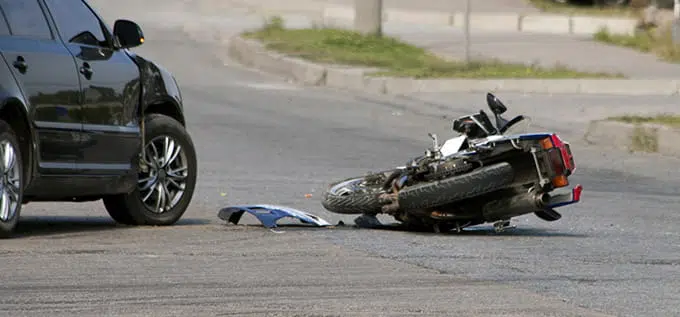

Motorcycle accidents can have serious consequences because motorcycle riders have little physical protection compared with passenger vehicles. ccording to NHTSA, motorcyclists face a much higher fatality risk per mile traveled than passenger car occupants. In 2023, NHTSA reported 31.39 motorcyclist fatalities per 100 million vehicle miles traveled, compared with 1.13 passenger car occupant fatalities.
This article explains the common causes of motorcycle accidents, including distracted driving, blind spots, lane splitting, car doors, mechanical problems, and intersections. Los Defensores is a legal advertising service, not a law firm; legal services are provided by independent attorneys. If injured riders want to speak with an attorney, Los Defensores can help connect them with independent attorneys who may offer a free consultation in Spanish or English.
Overview: Why Motorcycle Accidents Happen So Often
Motorcycles are smaller than other vehicles, harder to see in traffic or bad weather, and balanced on two wheels. Motorcycles lack the protective structure of passenger vehicles, which can make riders more vulnerable to serious injury when a crash occurs. That is why it is important to understand the most common causes of motorcycle accidents on U.S. roads.
Common cause patterns include other drivers failing to yield, unsafe lane changes, speeding, impaired riding, poor road conditions, and equipment defects. The sections below explain common motorcycle accident causes and practical safety steps riders can consider.
The Short Answer: Most Common Causes of Motorcycle Accidents
Driver negligence is a common factor in many motorcycle accidents, especially when motorists fail to see motorcycles, misjudge their speed, or make unsafe turns or lane changes. Common forms of driver negligence include failing to see motorcycles in blind spots, misjudging a rider’s speed or distance, and distracted driving.
Distracted driving remains a major roadway safety risk. Looking at a phone, using navigation, eating, or adjusting apps can reduce reaction time and make it harder for drivers to notice motorcyclists.
Other recurring risk factors include failure to yield, reckless driving, high speeds, alcohol impaired riding, unsafe lane changes, and tailgating by passenger vehicles or trucks. NHTSA data has consistently shown speeding to be a major risk factor for motorcyclists. For example, in 2021, 33% of motorcycle riders involved in fatal crashes were speeding.
Rider-side factors also matter: inexperienced motorcyclists, risky lane splitting between two lanes without enough space, entering curves too fast, and lack of proper training. Road hazards, weather, and mechanical problems such as brake failure or tire blowouts add more causes of motorcycle risk.
Driver Negligence, Distracted Driving, and Blind Spots
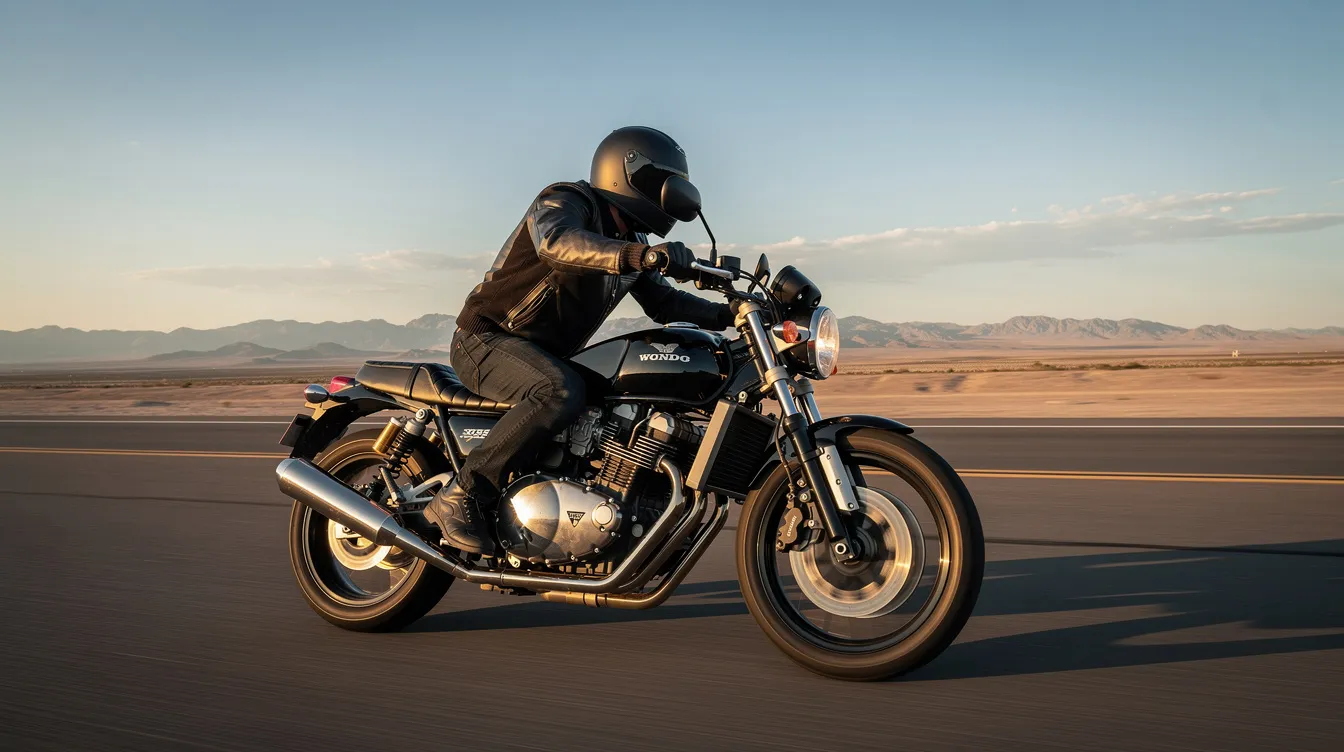
Many motorcycle crashes occur because drivers fail to see a motorcyclist riding near them, even in daylight. Inattentional blindness is a common issue where drivers fail to see motorcycles even when they are looking, often leading to accidents when drivers make left turns or change lanes.
Drivers frequently merge or change lanes into motorcycles because riders can be obscured in blind spots due to their smaller size. Large SUVs, passenger cars, and commercial vehicles create areas where a rider can disappear. A drifting vehicle may signal distraction.
To reduce risk, avoid lingering beside tractor-trailers, position the bike where motorists can see it in mirrors, and use high-visibility gear. Wearing reflective clothing or attaching reflective strips to a motorcycle can improve visibility on the road, helping to prevent accidents caused by a lack of visibility.
After a crash occurs, failure to check mirrors, blind spots, or phone distraction may matter in motorcycle accident claims. An independent attorney may review phone records, traffic video, and witness statements to understand what happened.
Intersections, Left Turns, and Failure to Yield
Intersections are among the most dangerous places for motorcyclists involved in two-vehicle crashes. Left-turn accidents are a leading cause of motorcycle collisions, often resulting in ‘T-bone’ crashes where the motorcycle is struck by a vehicle making a left turn.
A common scenario: a car or pickup turns left across oncoming traffic because the driver misjudges the motorcycle’s speed or distance. Many left-turn accidents occur when a driver misjudges the speed or distance of an oncoming motorcycle, leading to dangerous collisions at intersections.
“Failure to yield right of way” often appears in police reports after accidents at lights, stop signs, and rural crossings. Drivers often fail to see motorcyclists when making left turns due to inattentional blindness, meaning they may look but not actually register the motorcycle’s presence. Nighttime, glare, and rain make judgment harder.
Riders can cover brakes, reduce speed, and adjust lane position near intersections. Evidence such as signal timing, skid marks, and surveillance video may help identify a responsible party.
Lane Splitting, Unsafe Lane Changes, and Rear-End Collisions
Lane splitting means riding between lanes of slow or stopped traffic. Laws vary by state, so riders should verify local rules. Without enough space, sudden car doors, or unexpected lane shifts, a collision can happen quickly.
Drivers in traffic may not expect a biker to pass between lanes. Unsafe lane changes by a car or truck include crossing multiple lanes, failing to signal, or drifting into a lane occupied by a motorcycle in blind spots.
Rear-end crashes also occur when a distracted driver strikes a motorcycle at a light or in stop-and-go traffic. Leave an escape route, flash brake lights early, and consider stopping slightly to one side of the lane when safe. Dash-cam, helmet-cam, and witness accounts may help reconstruct motorcycle accidents.
Common Road Hazards, Weather, and Open Car Doors
Road hazards that may be minor for cars can be dangerous for motorcycles. Potholes, loose gravel, wet leaves, uneven pavement, debris, road paint, tar patches, and slick surfaces can reduce traction or cause a rider to lose control. Heavy rain, fog, crosswinds, and ice can also reduce visibility and make braking more difficult.
Weather conditions significantly affect motorcycle safety; during warm months, decreased traction can occur on road paint or tar patches, while fall leaves and spring gravel can create hazardous riding conditions. Heavy rain, fog, crosswinds, and black ice reduce traction and visibility.
Dooring happens when drivers or passengers open car doors into a rider’s path. Slow near parked rows, scan ahead, avoid sharp lean angles on slick curves, and increase following distance. Liability may involve drivers, contractors, or municipalities.
Mechanical Problems and High-Risk Riding Behaviors
Mechanical problems such as brake failure, tire blowouts, or other equipment defects can cause a rider to lose control without warning. Worn brake pads, low tread, bad lights, and faulty turn signals may confuse other vehicles.
Regular maintenance and inspection of a motorcycle can prevent mechanical failures that lead to accidents, such as ensuring brakes and tires are in good condition. Tire performance, including tread, shape, age, and condition, significantly impacts a motorcycle’s ability to ride safely and effectively. Service records, recall notices, or inspections may matter if a defect contributed.
Speeding increases both the distance needed to stop and the force of impact during a crash, making it a significant contributor to serious motorcycle collisions. Excessive speeds drastically reduce reaction times, making it harder to control the bike around curves. Motorcyclists who are speeding have less control and reduced ability to stop quickly to avoid a collision, increasing the risk of severe injuries. Stay within speed limits.
NHTSA reports that 26% of motorcycle riders involved in fatal crashes were alcohol-impaired, with a BAC of .08 g/dL or higher. Impaired riding can reduce reaction time, judgment, balance, and the ability to avoid hazards. Riding while impaired by alcohol or drugs can reduce balance, coordination, judgment, and reaction time, increasing the risk of a serious crash.
Riders can mitigate risks by adopting defensive riding habits, utilizing high-visibility gear, and taking safety courses.
Injuries After a Motorcycle Accident and What Riders Can Do Next
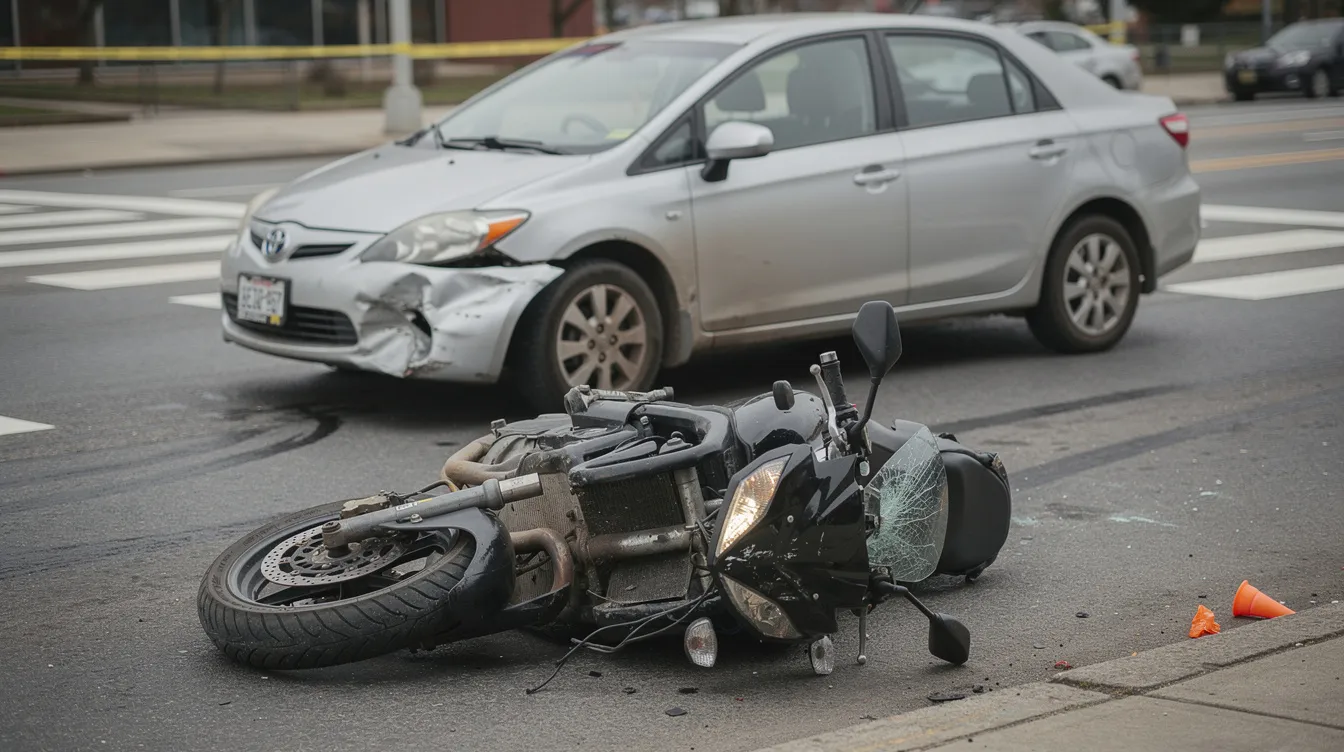
Personal injuries after motorcycle accidents may include fractures, road rash, head injuries, spinal trauma, and internal injuries. Even low-speed accidents can injure a rider thrown from the bike.
After a crash, call 911, get medical care, take photos, exchange information, keep bills, and try to leave damaged parts left unchanged until documented. Injured riders may have legal options for possible medical costs, lost income, motorcycle repair, and other damages, depending on state law and evidence.
Insurance discussions may cover causes of motorcycle accidents such as distracted driving, speeding, lane splitting, or mechanical problems. Legal advice and representation come from independent licensed attorneys; outcomes vary.
How Los Defensores Helps Connect Injured Motorcyclists With Attorneys
Los Defensores helps connect Spanish-speaking and bilingual individuals involved in motorcycle accidents with independent personal injury attorneys. Los Defensores is not a law firm, is not practicing law, and does not provide legal services.
If a motorcycle accident involved distracted driving, unsafe lane changes, car doors, lane splitting, mechanical problems, or other causes of motorcycle crashes, you can request a free consultation by phone or online. Get connected with an independent attorney today.
Many personal injury attorneys work on a contingency-fee basis, meaning attorney’s fees are typically owed only if there is a recovery. The client may still be responsible for certain costs or expenses, so it is important to ask any attorney about fees, expenses, and deadlines.
This content was created with the assistance of AI and is provided for general informational purposes only. It does not constitute legal advice. For guidance specific to your situation, please consult with a licensed attorney.