



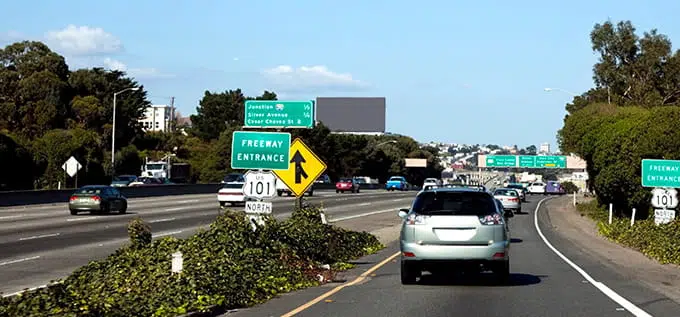

Merging onto the freeway can feel intimidating, whether you are a new driver behind the wheel for the first time or an experienced driver entering an unfamiliar highway. Merging safely onto the freeway requires proactive planning – understanding how to read traffic, use your mirrors, and time your entry into the lane. Following clear steps about speed, signaling, and checking your blind spot can reduce the risk of rear end collisions and sideswipes.
This article covers preparation before the ramp, matching the flow of traffic, choosing a safe gap, common mistakes, and what to do after a crash.
Why Highway Merging Matters
Improper merging contributes to a significant share of highway traffic crashes every year. Nearly 300,000 crashes occur yearly in the U.S. due to improper merging and lane-change maneuvers, resulting in thousands of injuries and fatalities.
Proper merging reduces sudden stops and rear-end collisions, keeping the flow of traffic steady and cutting down on dangerous road-rage situations.
When drivers stop unexpectedly on the ramp or attempt changing lanes without looking, the consequences can include lesiones personales like whiplash and serious back injuries.
For a new driver, learning correct highway merging early helps prevent dangerous habits that could lead to accidentes automovilísticos down the road. After a crash, fault determinations often focus on whether each driver merged properly, yielded, and used a signal – so understanding the rules matters both for safety and for legal responsibility.
Prepare Before the Entrance Ramp
Safe freeway merging starts before your vehicle reaches the entrance ramp or acceleration lane. A quick pre-drive checklist can make a real difference in how well you see and react to other drivers:
- Seat and mirrors: Adjust your seat so you can reach the pedals comfortably and see over the steering wheel. Set your side mirrors and rearview mirror to minimize blind spots.
- Head restraint and seat belt: Position the head restraint behind the center of your head. Buckle up before you drive.
- Scan ahead: As you approach the ramp, glance at the main highway. Note heavy trucks, fast cars in the right lane, construction zones, or any “No Merge Area” signs.
- Check the speed limit: Look at posted speed limit signs near the ramp and mentally plan how much you need to accelerate to reach highway speeds.
- Reduce distractions: Turn down loud music, put your phone away, and ask passengers to stay quiet while you prepare to merge onto the highway.
Match the Flow of Traffic on the Ramp
Acceleration lanes are engineered so you can build speed and match the flow of traffic before you merge onto the freeway. Using the full length of the acceleration lane helps build speed for merging – do not cut the lane short.
Accelerate firmly but smoothly. Your goal is to reach a speed equal to the actual flow of traffic, not just the number on the posted speed limit sign. For example, in cities like Los Angeles or Houston, traffic might move 5–10 mph below the speed limit during rush hour, so gauge the real flow rather than relying only on signs.
Merging at the same speed as traffic is crucial for safety. Entering the highway at a drastically different speed is dangerous – too slow and vehicles in the slow lane may need to hit the brakes hard or swerve; too fast and your reaction time shrinks.
Match your speed to traffic before merging onto the highway, because keeping the vehicle under control depends on entering the lane at the same pace as surrounding cars.
Never stop on the ramp unless there is a traffic light, stopped traffic ahead, or an emergency. Stopping on the merge ramp can cause rear-end collisions because drivers behind you do not expect a vehicle to be standing still on an acceleration lane. Do not stop on the ramp unless necessary.
Use Turn Signals and Check Your Blind Spots
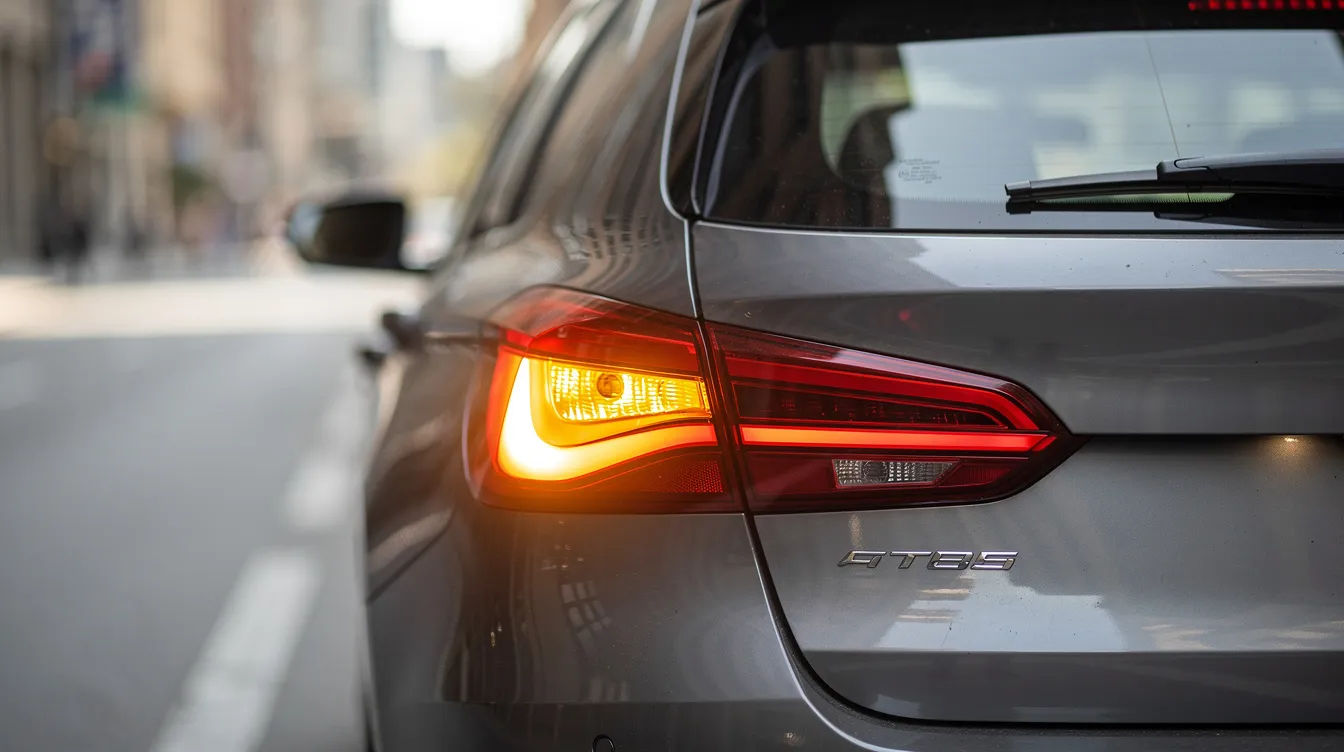
Clear communication with other drivers is essential for safe merging. Your turn signal and your eyes are your primary tools during any highway merging maneuver.
- Signal early: Use your turn signal at least 5 seconds before merging. Activating it early in the acceleration lane gives other drivers time to adjust, compared to flipping it on at the last second.
- Mirror routine: Check your rearview mirror, then the right side mirror, then quickly glance over your right shoulder to cover the blind spot.
- Mirrors are not enough: Mirrors alone do not show every vehicle, especially motorcycles and small cars in the other lane. Check your blind spot before changing lanes to merge.
- Final check: Drivers should perform a final blind spot check before merging – a quick shoulder glance right before you steer into the lane.
New drivers should practice combining mirror checks with a head turn before any lane change. This habit, often emphasized by any driving instructor, becomes automatic with repetition.
Choosing a Safe Gap and Merging with Confidence
A “safe gap” is the space you need between vehicles to enter the lane without forcing anyone to brake or swerve, and it helps to break the merge into simple steps so it is easier to judge. Aim for a four-second gap when merging into traffic. You can measure this by picking a roadside object – a sign, pole, or overpass – and counting “one-thousand-one, one-thousand-two…” after the car ahead passes it.
The merging driver is responsible for yielding to traffic in the lane. Vehicles on the freeway have the right of way during merging, so do not force your way in. If the gap is too small, gently adjust your speed on the ramp to find a better opening ahead. Once you spot a workable opening, stay confident and avoid timid last-second moves.
Once a safe gap appears:
- Maintain your speed to stay at the same speed as the flow of traffic.
- Keep your turn signal on.
- Make a single, steady lane change into the right lane.
- Cancel the signal after completing the merge.
After merging, aim for a four-second gap between your vehicle and the one ahead. Stay in the right lane for a while and avoid immediate, unnecessary changing lanes – this helps other drivers behind you adjust and keeps the ride predictable.
Common Merging Mistakes New Drivers Make
Many highway crashes and near-misses come from the same avoidable errors. Here are the most frequent mistakes to watch for:
- Stopping on the ramp without cause: Stopping on the ramp can cause rear-end collisions. Unless traffic ahead is completely stopped or there is a ramp metering light, keep moving.
- Forgetting the turn signal: Do not forget to signal before merging, since failing to use your turn signal leaves other drivers guessing your intentions.
- Drifting without looking: Not checking blind spots can lead to collisions, especially with vehicles in the other lane that your mirror does not show.
- Riding the shoulder: Some drivers use the shoulder to skip ahead. This is dangerous and may be illegal.
- Misjudging speed: Trying to merge in front of a fast-moving pickup that appears farther away than it is, especially with fast-moving passing traffic approaching in the lane you want to enter, can lead to a serious crash. Experienced drivers know to watch the closing speed of approaching vehicles.
- Hesitating halfway: Hovering between lanes or stopping mid-merge confuses drivers beside and behind you. Commit to the merge or stay in your lane.
- Cutting off other vehicles can result in unsafe merges and sudden braking by the car you just entered in front of.
If you feel unsure, consider taking additional driving lessons or supervised practice sessions focused only on freeway merging and lane changes. A driving instructor can help you build confidence in a controlled setting.
Staying Calm and Adjusting to Real-World Highway Traffic
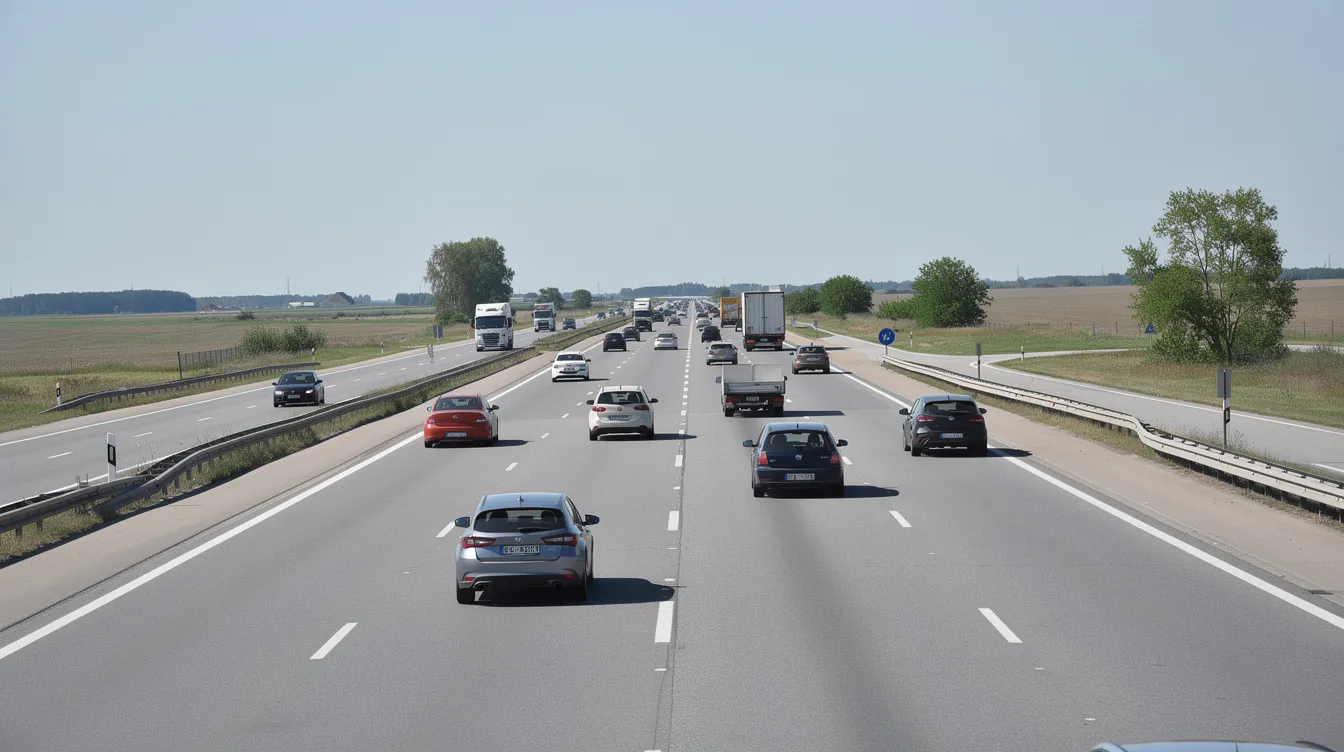
Feeling nervous about merging is common, especially for a new driver or someone who recently experienced a car accident. That nervousness does not mean you cannot learn to merge safely – it means you care about doing it right.
Practical tips for staying calm:
- Breathe steadily. Controlled breathing helps you stay alert and focused.
- Plan the merge early. Start scanning for gaps well before the acceleration lane ends. Focus your eyes further ahead rather than staring at the hood.
- Practice at quieter times. Late morning on a weekday tends to have lighter, slower traffic and larger gaps – a much better time to practice compared to Friday rush hour.
- Handle congestion patiently. In heavy traffic, consider zipper merging when lanes end, allow space for other cars to merge, and avoid aggressive braking or speeding up to close gaps.
Staying calm and predictable helps protect passengers and everyone around you on the road. With time, what once felt intimidating becomes routine.
What to Do If a Highway Merge Leads to a Crash
Even careful drivers can be involved in accidentes automovilísticos during merging or changing lanes. If a collision happens, take these steps:
- Move to safety if you can – pull onto the shoulder or a safe area and turn on hazard lights.
- Check for injuries and call 911 if anyone seems hurt.
- Document the scene: Take photos of vehicle positions, skid marks, damage, road signs, and weather conditions.
- Exchange information with the other driver and note any witness contact details.
Injuries like latigazo cervical, back pain, or head trauma may appear hours or days after the crash, so seeing a medical professional promptly is important even if symptoms seem minor at first.
People injured in highway traffic crashes may have legal questions about responsibility, medical bills, lost wages, and derechos laborales if the crash involved driving for work. Reviewing frequently asked questions about car accidents can also help you understand your next steps.
How Los Defensores Helps After a Highway Accident
Los Defensores is a legal advertising service that helps connect Spanish-speaking individuals with independent personal injury attorneys across the United States. Legal advice and representation are provided by independent attorneys in the network, not by Los Defensores.
If you were hurt in a freeway merging crash, you can request a consulta legal gratuita in Spanish to talk with an attorney about posibles reclamaciones related to lesiones personales or accidentes de trabajo involving driving. Before calling, try to gather:
- Date and location of the highway crash
- Police report number, if available
- Insurance details for all parties
- A list of current symptoms
If a highway merging collision caused by another driver led to serious injuries, Los Defensores can help connect you with an attorney for a free consultation. Consulta Gratis Ahora – Habla con un abogado hoy.
Conclusion: Merge Safely, Drive Defensively
Safe highway merging comes down to a handful of repeatable steps: prepare early, match the flow of traffic, use your turn signal, check your blind spot, and choose a safe gap. These strategies are a learned skill that improves with practice, patience, and good driving habits.
Share these tips with a teen driver, a new driver, or a family member who feels nervous about entering the freeway.
If a highway merging error by another driver caused a serious accident, Los Defensores can help connect the injured person with an attorney to discuss legal options in Spanish. Access our website or call today.