



Being involved in a car accident is stressful enough—discovering that the other driver has no insurance can make the situation feel overwhelming. If this has happened to you, know that you are not alone and that there are still paths forward to address your injuries, vehicle damage, and financial losses.
Quick Answer: What To Do Right Away If the Other Driver Has No Insurance
Uninsured drivers are common throughout the United States, but having an accident with one does not mean you are without options. Many people have insurance and legal avenues available to them even when the at fault driver lacks coverage.
Here is what to do immediately after the crash:
- Call 911 if anyone might be hurt—even if injuries seem minor. For example, after a rear-end collision on I-5 in California during a workday morning, hidden conditions like whiplash may not show symptoms right away.
- Move to a safe place if possible, away from traffic.
- Request police presence so there is an official record documenting that the other driver claimed to have no insurance or could not provide proof. Filing a police report is vital after an accident, providing documented proof that the other driver was uninsured and at fault, which is necessary for insurance claims.
- Take photos of the accident scene, all vehicles, license plates, visible injuries, traffic signs, and weather conditions. Use your smartphone and turn on the timestamp if available.
- Collect contact information from witnesses and the other driver, including name, phone number, address, and driver’s license number—even if they insist they have no coverage.
- Notify your own insurance company the same day or as soon as reasonably possible. Let them know the other driver appears uninsured.
Los Defensores can help connect you with a Spanish-speaking personal injury attorney for a free consultation in the days after your crash to review your options. Legal services are provided by independent attorneys in the Los Defensores network, not by Los Defensores directly.
How Often Are Drivers Uninsured in the United States?
Uninsured drivers represent a persistent problem nationwide, affecting many Latino families who rely on vehicles for work, school, and daily errands. States with large Hispanic communities—such as California, Texas, Florida, and Nevada—have historically reported higher uninsured driver rates compared to the national average.
Even though every state sets minimum liability insurance requirements, many uninsured drivers continue operating vehicles due to:
- High premium costs
- Lapsed policies
- Lack of information about requirements
This creates challenges for insured drivers who are injured by someone driving uninsured. Understanding how common this problem is highlights why your own coverage and legal guidance in Spanish can be especially important.
Immediate Steps After an Accident with an Uninsured or Underinsured Driver
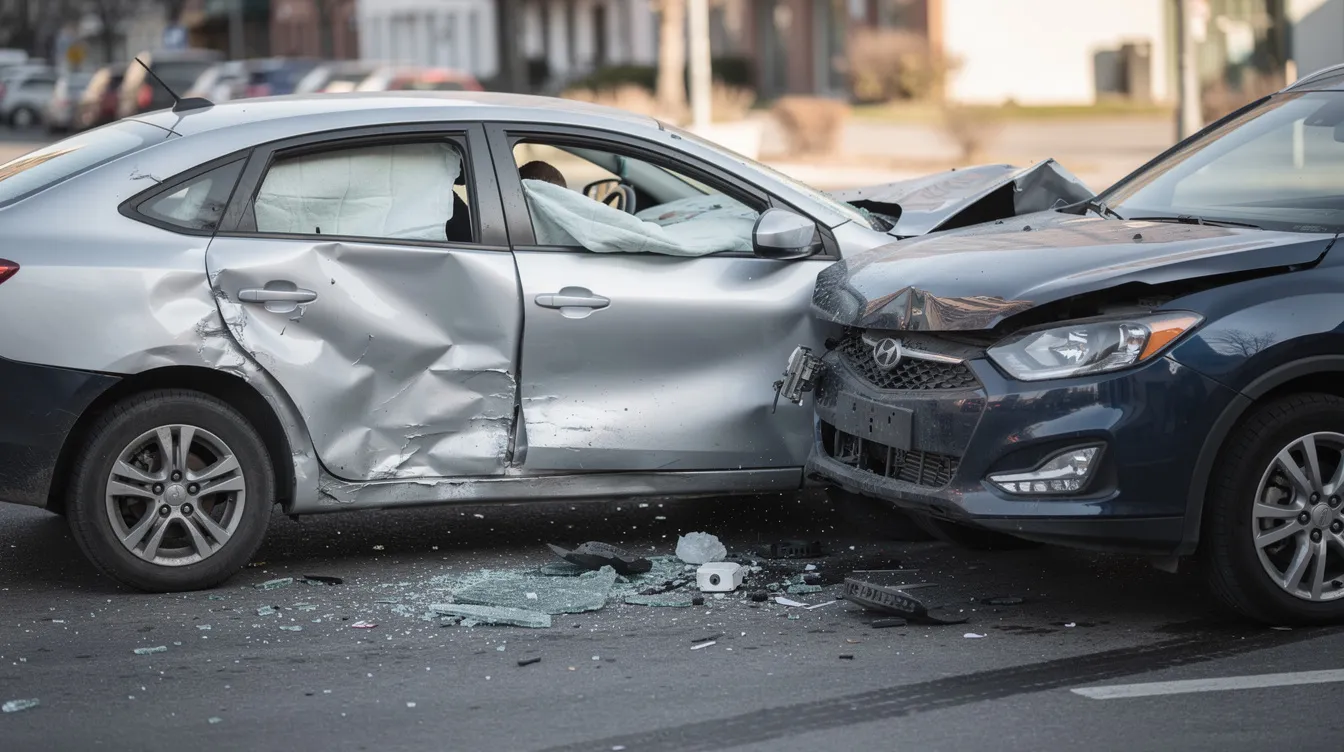
Your health and safety come first after any accident. After ensuring everyone is safe, protecting your legal rights through documentation becomes essential.
Key actions to take:
- Request medical evaluation at the scene or visit urgent care the same day—even mild pain could indicate whiplash or internal injuries
- Ask the responding officer for the police report number and later obtain a copy, which may include information about whether the other driver provided proof of insurance company
- Politely ask the other driver for their name, phone number, address, driver’s license number, and license plate
- Write down the date, time, location (intersection or highway mile marker), weather, and traffic conditions immediately
If involved in a car accident with an uninsured driver, it is important to gather evidence like photos, witness contacts, and the other driver’s information. Avoid arguments at the scene or promises about “not calling insurance”—this could complicate future claims.
Keeping organized records of medical bills, repair estimates, and lost wages is necessary for bodily injury claims following an automobile accident. Store all medical records, prescriptions, towing receipts, and repair estimates in one folder or digital file.
Contact Los Defensores promptly after getting basic medical care to be connected with an independent car accident attorney who can review your situation in Spanish.
Your Insurance Options When the Other Driver Has No Coverage
Even when the at fault party has no insurance, you may have protection through your own auto insurance policy and possibly other household policies.
Different types of coverage may apply:
| Coverage Type | What It May Cover |
|---|---|
| Uninsured Motorist (UM) | Bodily injury, lost wages, pain when at-fault driver has no coverage |
| Underinsured Motorist (UIM) | Gaps when at-fault driver’s limits are insufficient |
| Medical Payments (MedPay) | Initial medical expenses regardless of fault |
| Collision Coverage | Vehicle repairs regardless of fault |
| Health Insurance | Hospital visits, therapy, medications |
Notify your insurance provider promptly after an accident, as many policies have strict deadlines for reporting claims involving uninsured drivers. Your insurance company may pursue the uninsured driver through a process called subrogation after paying your claim, to recover costs.
Every state sets its own rules, and policy limits, deductibles, and exclusions in your written policy control how much the insurance company may pay. Do not assume you have no options until an independent attorney has reviewed your declarations page.
Using Uninsured / Underinsured Motorist (UM / UIM) Coverage
Uninsured motorist coverage is part of your own auto insurance policy and pays for your injuries and, in some states, property damage when an at-fault driver has no insurance. UM coverage addresses costs such as medical treatment, some lost income, and pain and suffering, up to your policy limits.
Some states require uninsured motorist coverage, while others make it optional or allow drivers to decline it in writing.
Underinsured motorist coverage comes into play when the fault driver’s liability coverage limits—for example, a $25,000 per person limit—are insufficient to cover your medical expenses and other losses. You may first use the at-fault driver’s limited policy, then turn to your own UIM coverage for remaining eligible amounts.
When you file an uninsured motorist claim,your insurance company may compensate you for covered losses, similar to what the at-fault driver’s insurer would have paid if coverage existed. If you are involved in an accident with an uninsured driver, you can file a claim with your own insurance company if you have uninsured motorist coverage.
An independent attorney connected through Los Defensores can help you understand how UM/UIM may apply in your specific state.
Other Coverages That May Help (Collision, MedPay, Health Insurance)
Even without UM/UIM, other coverages may reduce the financial impact of a crash with an uninsured driver.
Collision coverage can pay for vehicle repairs regardless of who was at fault, but the insured usually has to pay their deductible first.
MedPay or Personal Injury Protection (PIP) covers medical expenses for the insured and passengers regardless of fault. This can help with initial medical bills up to a certain limit, often without requiring you to prove the other driver was responsible.
Health insurance may cover hospital visits, surgeries, physical therapy, and medications, though copays, deductibles, and subrogation rights may apply.
Review all policies in your household—a spouse’s or parent’s auto policy may extend coverage to family members in the same home. An attorney can review multiple policies to identify possible sources of coverage you might not realize exist.
Can You Sue an Uninsured Driver Personally?
The at-fault driver retains legal responsibility for damages even if they lack insurance. An injured person may file a personal injury lawsuit in civil court against the uninsured driver personally, requesting compensation for medical bills, lost wages, pain and suffering, and property damage where state law permits.
You can technically sue an uninsured driver for damages, but collecting a judgment may be difficult if the driver lacks assets or income. Collection tools such as wage garnishment or property liens may be available under state law, but these processes can be slow and uncertain.
Before suing, an attorney should investigate the driver’s financial situation to decide whether litigation is practical. For many injured people, pursuing available insurance through own uninsured motorist coverage, collision, MedPay, and health insurance may provide a more realistic path toward covering accident-related costs.
The Lawsuit Process in an Uninsured Driver Case
The lawsuit process follows typical personal injury steps but involves extra focus on collectability.
An attorney may:
- Gather evidence including police reports, photos, medical records, witness statements, and any admission by the driver that they had no coverage
- File a complaint in state court describing the collision facts, legal theories such as negligence, and damages sought
- Proceed through discovery, where both sides exchange documents and take depositions
- Engage in settlement discussions, mediation, arbitration, or trial depending on circumstances
If the uninsured driver lacks assets, it may be challenging to collect on a lawsuit for damages after an accident. An attorney can help set realistic expectations about timelines and potential outcomes.
Other Possible Sources of Compensation
Not every accident involves just two drivers. Sometimes other individuals or entities may share legal responsibility and offer paths to seek compensation.
- Employer liability: If the uninsured driver was working during the crash (for example, driving a delivery route), the employer may be held legally responsible under certain circumstances
- Vehicle owner liability: Owners who lend vehicles to unsafe or unlicensed drivers may be liable depending on state law
- Product liability: Defective vehicle parts like faulty brakes or airbags could support claims against manufacturers
- Government claims: Dangerous road conditions such as missing signs or potholes might support claims against local authorities, subject to special rules and deadlines
These third-party options can be complex and time-sensitive, making early consultation with a personal injury attorney especially valuable.
State-Specific Rules That Can Affect Your Case
Each state has its own rules about motorist coverage, minimum liability limits, deadlines, and claims against public entities.
Some states require UM coverage unless the driver rejects it in writing; others make it optional. Certain states allow UM claims for hit-and-run accidents, while others impose strict reporting requirements.
In North Carolina, if the at-fault driver does not have insurance, you can file a personal injury claim directly against them, but you may face challenges in collecting any awarded damages. Statutes of limitation for personal injury lawsuits can range from one to several years depending on the state.
An attorney licensed in your state is in the best position to explain how local rules apply to your accident.
How a Car Accident Attorney Can Help After a Crash with an Uninsured Driver

Accidents with uninsured drivers can be confusing, and many families prefer guidance from an attorney who speaks their language and understands their concerns.
A car accident lawyer or personal injury attorney can:
- Review your insurance policy and identify all potential coverage sources
- Handle communication with insurance adjusters on your behalf
- Organize medical records and calculate accident-related losses
- File lawsuits within legal deadlines to protect your legal rights
- Negotiate with insurance companies
Consulting a personal injury lawyer can help navigate potential compensation options and protect legal rights after an accident with an uninsured driver. Many attorneys work on a contingency-fee basis, meaning their fees are typically a percentage of any recovery. However, clients may still be responsible for certain case costs such as filing fees, expert reports, or medical record charges.
Having legal representation can ease stress, especially for Spanish-speaking accident victims who want explanations in their language. Los Defensores itself does not provide legal services or represent clients in court but helps connect individuals to independent attorneys who do.
Los Defensores: Connecting You with Spanish-Speaking Lawyers After an Uninsured Driver Accident
If you are a Spanish-speaking driver or passenger in the U.S. who was hit by someone without insurance, feeling overwhelmed is understandable. You have options, and help is available in your language.
Los Defensores is a legal advertising service that connects people with independent personal injury and car accident attorneys—it is not a law firm and does not provide legal representation. You can request a free case evaluation by phone or online, often the same day, to discuss accidents involving uninsured or underinsured motorist situations.
During a free consultation, an independent attorney can review your crash details, examine your insurance documents, and explain possible options based on your state’s law. Immigration status does not prevent someone from seeking legal help, and consultations are available nationwide.
Seeking medical treatment as soon as possible can help protect your health. It may also be helpful to speak with a qualified attorney before making decisions about your legal options.
Call now or click “Consulta Gratis Ahora” to be connected with a Spanish-speaking attorney in your area.
This content was prepared with the assistance of AI technology and reviewed for accuracy. Results vary based on individual circumstances. This article provides general educational information and does not constitute legal advice for any specific situation. This content does not constitute legal advice and should not be relied upon as a substitute for consultation with a qualified attorney.