



Picture a family driving from Los Angeles to Phoenix in early August. Halfway through the desert, a sudden monsoon storm rolls in. Visibility drops, the road turns slick, and traffic slows without warning. Because they planned a realistic route, checked their tires, replaced old wiper blades, packed emergency supplies, and scheduled rest and gas stops in advance, they pull off safely at a gas station and wait out the downpour instead of making a panicked lane change at highway speed.
To prepare for a long road trip, start with a route you can drive safely each day, get your car inspected and maintained, build a roadside emergency kit, pack for safety and comfort, set up navigation and backup charging options, plan for fatigue and changing weather, budget for fuel and stops, and know what to do if an accident happens.
Long road trips can mean 500 to 1,500 or more miles and many hours behind the wheel, which raises the risk of collisions, breakdowns, and bad decisions—especially in heavy traffic or rain. For Spanish-speaking drivers in the U.S., including families and solo travelers who want to avoid accidents and travel with more confidence, this guide covers route planning, vehicle maintenance, emergency preparedness, rest-stop timing, packing tips, navigation, alert driving, rain safety, trip costs, and post-accident steps.
Plan a Realistic Route and Daily Driving Limits
Before you hit the road, spend time planning your route. If you are driving long distances-like Los Angeles to Denver (about 1,000 miles) or Chicago to Orlando (about 1,160 miles)-a clear plan can prevent exhaustion and risky decisions. Use online mapping tools to plan your route effectively and compare a direct freeway route against slower but potentially safer or more scenic options, especially in regions known for sudden rain or fog.
A good rule of thumb for a cross country trip is to first decide how much time you realistically have, then limit daily driving to focused blocks of two to four hours with breaks in between, while keeping most days under seven to eight total hours behind the wheel. These road trip tips should shape the route you choose and how much flexibility you leave for stops.
Starting a road trip early in the morning can help you avoid heavy traffic around big cities like Houston, Atlanta, or Los Angeles-and gives you extra time for construction zones where sudden braking can cause rear-end crashes.
It is advisable to plan your route and include important stops such as gas stations, rest areas, and overnight stops. For a 900-mile trip, consider breaking it into two 450-mile days with a planned sleep in a city like Albuquerque instead of pushing through overnight.
Choose overnight stops ahead of time for better planning, but leave wiggle room in your itinerary for spontaneity-an unexpected detour through state parks or a quick stretch of your legs near a scenic viewpoint can make the trip more fun without compromising safety.
Plan for quick stops to maximize fun during your trip, and share your itinerary with a trusted contact at home, updating them if plans change.
Road Trip Prep: Get Your Car Road-Ready with Maintenance and Safety Checks
Thorough vehicle maintenance is essential for a long road trip, especially before driving hundreds of miles in summer heat or winter storms. Mechanical failures contribute to between 2% and 7% of all U.S. crashes, often tied to components like brakes, tires, or lights.
A professional vehicle inspection can prevent unexpected breakdowns during a road trip-schedule one about one to two weeks before departure so there is time for any needed repairs.
Here is what your road trip prep should cover for car maintenance:
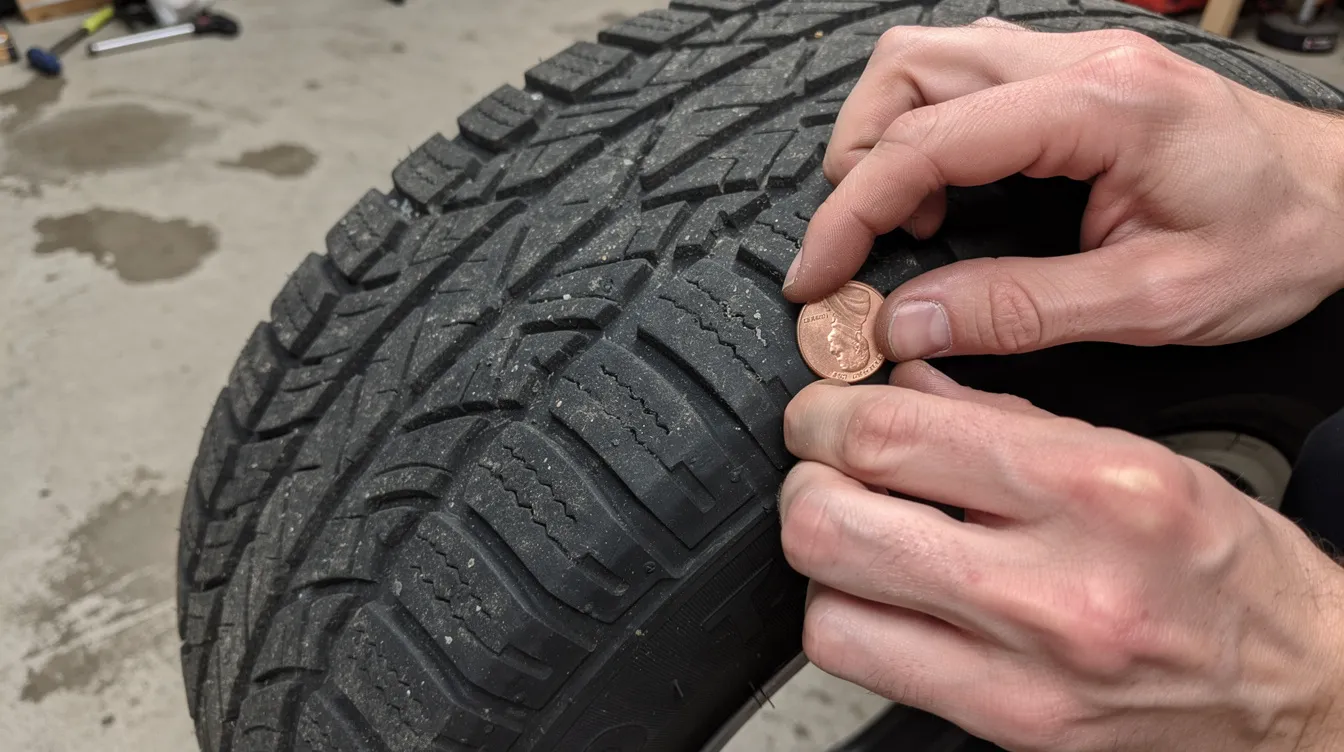
- Tires: Check tire pressure and tread before your trip. Make sure tires are properly inflated to the cold PSI listed in the owner’s manual. Inspect the spare tire too.
- Brakes: Inspect brakes to ensure at least 50% pad life remaining. Check brake fluid level.
- Oil: Get an oil change if it has been over a year or you are close to your mileage interval, especially before driving through hot states like Arizona, Nevada, or Texas.
- Fluids: Top off oil, brake fluid, and windshield washer fluid. Also check coolant/antifreeze, power steering fluid, and transmission fluid. Make sure your windshield wiper fluid is rated for expected temperatures.
- Wipers: Replace wiper blades if they are over six months old. Good wipers and plenty of washer fluid matter in rain-dirty windshields and poor visibility can contribute to accidents, especially at night.
- Lights and battery: Confirm headlights, brake lights, and turn signals are working. Have the battery tested if it is more than three years old.
Keep your car clean inside and out to ensure a comfortable driving experience and better visibility. Check your vehicle’s fluids one final time the morning you depart. If you are renting a vehicle, photograph it at pickup-including tires and windshield-and confirm your roadside assistance plan before leaving the lot.
Build a Practical Roadside Emergency Kit
An emergency kit can help you handle minor problems on the road and stay safer while waiting for help after a breakdown or crash. A roadside emergency kit should include jumper cables and a first aid kit, along with a tire pressure gauge, tire inflator or sealant, reflective triangles, a high-visibility vest, basic tools, duct tape, a flashlight with extra batteries, and paper towels for cleaning up spills or wiping down a foggy windshield.
For seasonal readiness, pack blankets and gloves if your route passes through Colorado or Utah in winter, or light rain jackets for summer storms along the Gulf Coast. Include nonperishable snacks like granola bars and nuts, several water bottles per person, and a power bank or 12V phone charger in case you are stuck at a rest stop or on the shoulder for hours. Carry a trash bag for keeping the cabin tidy and a set of jumper cables even if you also have roadside assistance coverage.
Keep paper copies of your insurance card, vehicle registration, and contact numbers for roadside assistance and emergency contacts in a waterproof pouch. Having these supplies can help you stay visible, avoid secondary collisions, and document the scene if a crash happens. If you later have questions about lesiones personales after a crash, Los Defensores can help connect you with independent attorneys for a free consultation.
Plan Rest Stops, Gas Stops, and Safe Places to Sleep
Driver fatigue is a significant safety hazard on long trips. According to NHTSA estimates, drowsy driving contributed to roughly 21% of fatal crashes in 2021-more than 8,300 deaths. Driving after 17 hours without sleep can impair you similarly to having a blood alcohol concentration of 0.05. Driving after insufficient sleep is dangerous, period.
Regular breaks are important to keep drivers alert and safe during long trips. Take breaks every two hours during long drives to stretch your legs, use the restroom for bathroom breaks, and get fresh air. Stop at state Welcome Centers, rest stops, or safe gas station locations along routes like I-10 or I-95. Use apps and in-car navigation to spot upcoming gas options, but fill up before long rural stretches in states like New Mexico, West Texas, or Nevada where cell service and stations can be sparse.
It is safer to plan overnight stops ahead of time-motels, hotels, or campgrounds-rather than driving until exhaustion. If drowsiness hits between stops, a 30-minute nap at a well-lit rest area or busy gas station can significantly refresh you. Lock your doors and limit these naps to 20 to 40 minutes before getting a proper night of sleep. Stretch your legs every two hours to stay alert, and remember that less fatigue means better reaction times if traffic suddenly slows or visibility drops in rain at night.
Consider how your road trip budget is affected by lodging versus pushing through. Rest is part of safety, not a luxury-especially for your family and passengers.
Pack Smart: Safety, Comfort, and Organization
How you pack affects both comfort and safety. Heavy loose items can become projectiles in a crash, and a disorganized trunk makes it harder to reach what you need during a storm or breakdown. Clean out the car before packing, removing unnecessary items to improve visibility and fuel efficiency.
Place heavier suitcases low and toward the middle of the vehicle. Keep essential items-medications, chargers, a paper map, snacks, and a basic aid kit-in an easily accessible front-seat bag. Pack a separate small bag for overnight stops with pajamas, toiletries, and next-day clothes so you do not have to unload everything at each hotel. Packing non-perishable snacks helps avoid frequent expensive stops, and keeping enough snacks, water, and gum in your car means fewer unplanned detours.
If you are traveling with young kids or friends, store activity kits, blankets, and headphones in seat-back organizers to keep the cabin clear and reduce distractions for the driver. Keep reflective vests, flashlights, and emergency triangles in the passenger compartment-not buried at the bottom of the trunk-so you can reach them quickly after an accident or breakdown on the shoulder. In a collision, having quick access to insurance, ID, and your phone can help you document the scene and later discuss it with an attorney if needed.
Navigation, Tech, and Backup Plans (Including Paper Maps)
While most drivers rely on GPS apps, a long road trip through rural areas, canyons, or national parks may mean limited or no cell service. Download offline maps on apps like Google Maps or Apple Maps for key portions of your route-stretches of I-40 in northern Arizona or through Rocky Mountain passes are common dead zones. Paper maps or printed directions serve as a reliable backup, especially for national parks and state parks where coverage can disappear suddenly.
Organize navigation duties: the driver focuses on the road while a passenger handles app searches, gas station lookups, and rest stop planning. Download family-friendly apps for entertainment during drives, and pre-download playlists to avoid dead zones during drives. Audiobooks keep the brain active without distractions, and road trip games like “I spy” engage passengers-particularly helpful for keeping young kids and friends entertained during a long stretch.
Mount your phone or GPS at eye level with a stable holder so you do not have to look down in rainy or high-speed conditions. Avoid interacting with navigation or entertainment apps while the car is in motion to lower distraction-related crash risk. A stress free driving experience starts with having your tech sorted before you leave.
Health, Fatigue Management, and Staying Alert Behind the Wheel
Long road trips stress the body. Sitting for hours, changing time zones, and driving through storms can increase fatigue and slow reactions. Research shows that drivers getting only four to five hours of sleep per night have crash rates over five times higher than those sleeping seven or more hours.
Make sure you get enough sleep-seven to nine hours-for at least two nights before a big drive, and start early in the morning instead of after a full work shift.
Rotate drivers when possible and set clear rules: switch every two to three hours or any time a driver feels drowsy. To stay aware behind the wheel, sit up straight, adjust lumbar support, keep the cabin temperature slightly cool, and chew gum. Schedule quick walking and stretching breaks at rest areas to head off fatigue before it sets in.
Stay hydrated to maintain energy during long drives-Nuun tablets can enhance hydration during trips, and water bottles should be within easy reach. Healthy snacks help you skip fast-food stops. Pack fruits, veggies, and nuts for balanced snacks, and avoid relying on heavy meals that can make you drowsy.
Note that some medications, including certain allergy or pain medicines, can cause drowsiness; talk with a doctor or pharmacist about potential side effects before a long drive. A tired driver may misjudge braking distance on wet pavement or fail to notice standing water that could lead to hydroplaning.
Driving Safely in Rain and Changing Weather
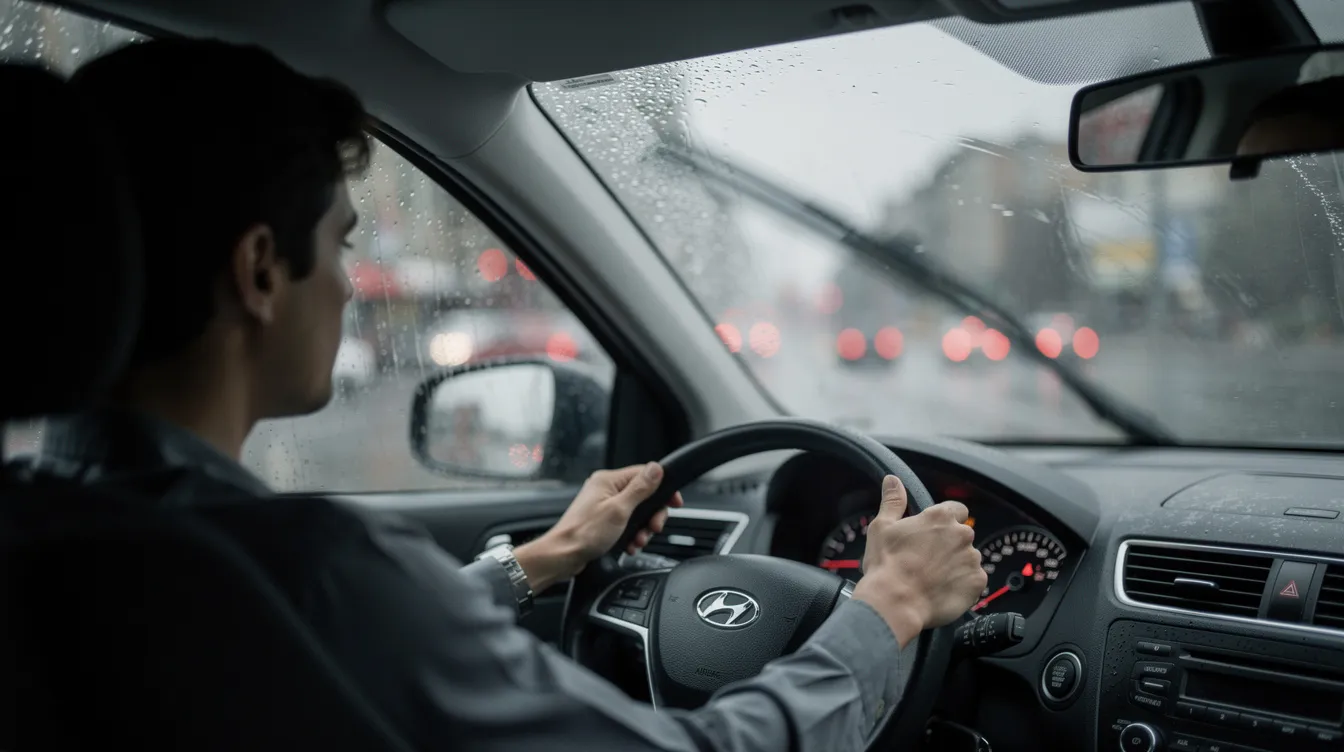
Imagine cruising on I-95 or I-5 when a sudden summer thunderstorm rolls in. Within seconds, visibility drops and the road surface turns slick. Rain can increase stopping distance, reduce tire grip, and hide hazards like oil slicks and standing water. According to the Federal Highway Administration, rain or mist accounts for roughly 77% of all weather-related crashes-about 744,911 weather-related crashes per year on average.
Here are concrete tips for driving in rain:
- Slow down below posted speed limits when roads are wet. How many miles per hour you reduce depends on conditions, but even five to ten mph below the limit can make a meaningful difference.
- Increase following distance to give yourself more reaction time.
- Turn on headlights-not just daytime running lights-so other drivers and passengers in nearby vehicles can see you.
- Use your vehicle’s defogger and air conditioning to keep windows clear. Avoid high beams in heavy rain because of glare.
Hydroplaning occurs when a water layer prevents your tires from contacting the pavement. If it happens, ease off the accelerator, avoid sharp steering, and wait for traction to return-do not brake suddenly. Check weather forecasts for your route daily and be prepared to adjust departure times or overnight stops to avoid major storms.
In crash investigations, factors like speed in bad weather, following distance, and lane changes in poor visibility can matter when determining fault. Stay aware of changing conditions and pull over if visibility makes driving unsafe.
Budgeting for Your Road Trip: Creating a Realistic Road Trip Budget (and Unexpected Events)
A realistic road trip budget lowers stress and can help you avoid risky decisions like skipping needed car maintenance or choosing unsafe lodging to save money. Budget for gas, tolls, food, lodging, park entrance fees, routine maintenance, and a cushion for unexpected repairs or minor medical visits. Research gas prices along your route before traveling-prices may be higher in remote areas and along certain interstates.
Driving style affects fuel costs: avoiding rapid acceleration, keeping speeds moderate, and removing unused roof racks can help stretch your budget. Set aside funds for emergencies, including towing or a roadside assistance plan if the vehicle breaks down at a remote rest stop or on a rural highway. Connect with locals at your destination for tips on affordable dining and hidden-gem stops that help you save money without sacrificing the experience.
If a crash leads to medical bills, lost wages, or vehicle damage, those may later become elements of a potential personal injury claim-topics that independent attorneys in the Los Defensores network can discuss with callers who request a free consultation. A thoughtful budget makes it easier to prioritize safe choices, like staying at a hotel after a long rainy day of driving instead of pushing through the night.
What to Do if an Accident Happens During Your Road Trip
Even well-prepared drivers can still experience accidents. Knowing what to do next may help protect your health and your rights. Move to a safe area if possible, turn on hazard lights, check for injuries, and call 911 for medical help and police assistance. When it is safe, document the scene: take photos of vehicle positions, damage, weather conditions like wet pavement, skid marks, and any visible injuries.
Exchange information with other drivers and obtain contact details for witnesses without arguing about fault at the scene. Some injuries, such as latigazo cervical (whiplash), may not feel severe right away, so getting a medical evaluation soon after the crash can be important.
If the accident involves serious injuries, a suspected DUI driver, or unsafe road conditions, the legal issues may be more complex-you may want to speak with an attorney licensed in the state where the crash occurred. You can also review steps to take after an accident to make sure you have not missed anything important.
Los Defensores is a legal advertising service that can help connect Spanish-speaking drivers with independent personal injury attorneys for a free, confidential consultation in Spanish. The attorneys-not Los Defensores-provide all legal services. Results vary.
This content was created with the assistance of AI and is provided for general informational purposes only. It does not constitute legal advice. For guidance specific to your situation, please consult with a licensed attorney.