



Many drivers across the United States wonder what happens if they don’t report a car accident within 24 hours. This concern is especially common among Spanish-speaking drivers in California, Texas, Florida, and other large states where accident reporting rules can seem confusing.
Understanding that “reporting” an accident actually involves multiple steps is important. You may need to call local law enforcement at the accident scene, file a written report with a state agency like the DMV within a set number of days, and notify your insurance company promptly. Reporting requirements and deadlines for accidents vary significantly from state to state, with some states requiring reports within 5 days and others allowing up to 6 months depending on the circumstances.
Failing to report an accident promptly can create legal penalties, insurance problems, and evidence issues—even for minor fender benders. Los Defensores is a legal advertising service that helps connect people with independent personal injury and workplace injury attorneys for a free, confidential consultation in Spanish or English. Legal services are provided by independent attorneys in our network, not by Los Defensores. This article provides general information based on common rules in states like California, Texas, Florida, and New York as of 2026; specific deadlines and requirements differ by state.
Who Do You Need to Report a Motor Vehicle Accident To?
After a car crash, drivers may have to notify three separate parties: local law enforcement, a state agency such as the DMV, and their own car insurance company—sometimes on the same day or within just a few days. Failing to notify one or more of these can lead to fines, license issues, or claim disputes later.
In many states, drivers are legally required to report an accident involving injury, death, or property damage exceeding a certain threshold, often $500 or $1,000. Even if police do not come to the accident scene, you may still have to file a written report with a state traffic agency or DMV.
Reporting to Local Law Enforcement
Most states require that accidents involving injury, death, or significant property damage (often defined as damage over $500 or $1,000) be reported to local law enforcement immediately after the incident. This typically applies on both city streets and highways.
In California, drivers usually call the local police or California Highway Patrol (CHP) after a crash with injury or significant property damage. In Texas and New Mexico, similar rules apply when damage appears above a few hundred dollars.
When officers arrive at the scene, they:
- Secure traffic and ensure safety
- Arrange emergency services and medical attention if needed
- Gather statements from drivers and witnesses
- Prepare a police report with date, time, location, and basic fault information
This incident report often becomes a key document used by insurance adjusters, employers for work-related crashes, and personal injury attorneys. If police do not respond, some states allow drivers to file a counter report at a local police department later, though delays can make details harder to prove.
Reporting to DMV or State Traffic Agency
Many states require a separate written report to the motor vehicles department when there is injury, death, or damages above a set minimum and no official report is already on file.
In California, drivers involved in accidents resulting in injury, wrongful death, or property damage exceeding $1,000 must file a written report with the DMV within 10 days of the incident. This is done using the SR-1 form. Other states like Pennsylvania and Illinois have their own deadlines, usually between 5 and 10 days. Missing these deadlines can affect the driver’s license status, potentially leading to license suspension.
The DMV report is separate from any police report—filing one does not satisfy the requirement for the other. These reports are mainly used for state records, possible license actions, and sometimes for future insurance rates calculations.
Reporting to Your Insurance Company
Nearly all auto insurance policies include a “prompt notice” requirement after any accident involving potential coverage. Most insurance companies expect notification within 24–72 hours, even if the driver is not planning to file a car insurance claim that same day.
Prompt reporting helps your insurance provider:
- Investigate facts while evidence is fresh
- Inspect vehicle damage accurately
- Document injuries before details fade
Some policies require notification of even single-vehicle accidents and minor low-speed collisions. Not reporting an accident to your insurance company can be considered a breach of contract, giving insurers grounds to deny coverage for vehicle repairs, medical expenses, and liability claims.
What Happens If You Don’t Report an Accident Within 24 Hours?
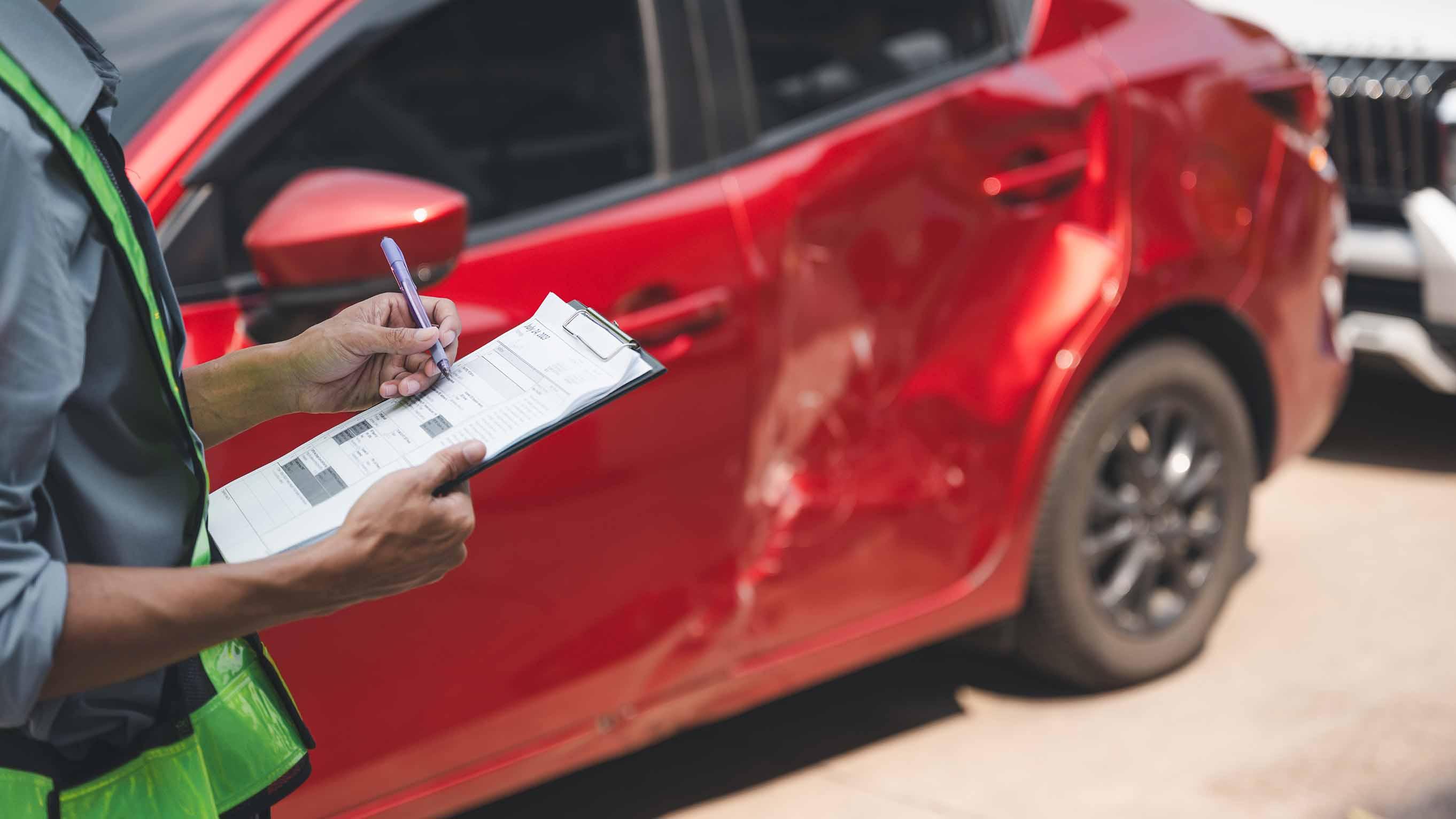
Most states require that accidents involving injury, death, or significant property damage be reported to law enforcement immediately or within a specific timeframe, often 24 hours. Failing to report a car accident within 24 hours can lead to serious legal and financial consequences, including penalties, license suspension, and potential criminal charges, depending on state laws.
Three main categories of consequences emerge from delayed accident reporting:
- Legal penalties from the state
- Insurance claim problems
- A weakened legal position if disputes or lawsuits arise, as failing to report can also negatively impact your legal standing in any subsequent claims.
These risks apply even if the other driver admits fault at the scene or offers to handle it privately. For injured people, medical documentation in the first 24–48 hours is especially important for personal injury claims involving whiplash, back injuries, or concussions.
Legal Penalties and Deadlines (Varies by State)
Some states treat failure to report an accident with injuries or substantial damage as a separate traffic offense. Failing to report a car accident within 24 hours can lead to legal penalties, including fines, license suspension, and potential criminal charges, depending on state laws. Monetary fines for failure to report can range from $100 to $5,000 depending on the state and severity of the crash.
State-specific examples:
- California: Failing to file a required DMV accident report can affect license status
- New York/Florida: Not filing a mandated report within 10 days can result in fines or administrative penalties
- Georgia: Penalties may include fines of $300–$1,000 or imprisonment
These rules also apply to single-vehicle crashes that damage public property like guardrails or traffic signs. Anyone unsure about deadlines in their state should consider speaking with a licensed attorney.
Insurance Claim Problems From Late Reporting
Failing to report a car accident within 24 hours can lead to insurance claim denials, coverage limitations, and premium increases, as most insurance policies require prompt notification of any incident.
Insurance companies can deny claims for late reporting because delayed notification compromises their ability to investigate the accident and assess damages accurately. Late reporting may lead to disputes about whether vehicle damage or medical problems were caused by the crash or something that happened later.
For example, a driver in Los Angeles who waits two weeks to report a rear-end crash might find the insurer questioning neck and back pain that was never documented in the first 48 hours. These issues can impact collision coverage, medical payments coverage, uninsured motorist coverage, and liability protection.
Weakened Legal Position and Evidence Issues
Not reporting an accident can weaken your legal position, making it harder to collect evidence and potentially casting doubt on your credibility in any subsequent claims or lawsuits. From a legal perspective, early reports from police, paramedics, and witnesses tend to be viewed as more reliable than stories given weeks later.
Without timely police report, establishing liability can be difficult, increasing the likelihood that one is found at fault. Traffic camera footage, business security video, and witness contact information may be lost if reporting is delayed.
In a 2024 crash in Houston, a driver who failed to call police after a nighttime intersection collision later struggled to prove the other driver ran the red light because no official report and no camera footage were available.
What Happens If There’s No Police Report at All?
Drivers can usually still make insurance claims without a police report, but the claims process often becomes more complicated and takes longer. Police reports are strongly preferred in accidents involving multiple vehicles, pedestrians, or bicyclists, or when there is visible injury or major damage.
Some types of insurance coverage, such as uninsured motorist coverage in certain states, may require that the accident be reported promptly to local law enforcement. Lack of a police report does not automatically prevent a lawsuit, but it often means more work gathering alternative evidence.
Insurance Complications Without a Police Report
Adjusters often rely on police reports to verify basic facts such as date, location, weather, and initial fault assessment. Without an official report, insurers may scrutinize statements more closely and request additional documents, photos, or witness information.
For hit and run accidents or suspected drunk driving, many insurers pay close attention to whether police were called promptly. Some medical providers and health insurers also look to police reports to confirm that medical treatment is accident-related.
Keeping detailed personal notes, photos of the scene, and contact information can help partially fill the gap if police were not called.
Weaker Legal Evidence Without Law Enforcement Involvement
In a lawsuit, a police report helps show that the driver took the incident seriously and reported it at the time. Without a report, attorneys may have to work harder to track down witnesses, reconstruct the scene, and obtain nearby video footage.
In cases with disputed liability, opposing parties may attack credibility by pointing out the crash was never reported to local law enforcement. Language barriers sometimes contribute to drivers not calling police, and Spanish-speaking attorneys may assist in explaining how that affected the case.
Possible Legal Violations When No Report Is Filed
Some state laws specifically require drivers to report accidents that cause injury, death, or a particular dollar amount of damage to law enforcement within a defined time period. In New Mexico, drivers generally report injury crashes to police as soon as practicable. In California, failing to report an injury crash can overlap with “hit-and-run” type offenses.
Even if both drivers exchange information and leave peacefully, the law may still require that the incident be reported if damage or injuries meet statutory thresholds. Penalties may range from fines to license points.
What If It Was a “Minor” Car Accident?
Low-speed parking lot bumps, small fender benders at a red light, or light side-swipes where damage seems limited to a scratched bumper are common situations. Even when both drivers feel fine, there may be hidden injuries or vehicle problems that do not show up until hours or days later.
Many states set reporting thresholds (such as $1,000 in California) that can easily be exceeded when modern bumpers, sensors, and cameras are damaged. “Minor” is often a judgment made at the scene that may prove inaccurate after a body shop or doctor evaluation. If injuries or damages are discovered later, you may need to seek compensation through insurance or legal channels.
Why You Should Usually Still Report a Minor Accident
Consider calling police or at least documenting the accident scene when there is any noticeable damage, airbag deployment, or disagreement about what happened. In states like California, Texas, and Florida, the cost of repairing modern vehicles often exceeds statutory damage thresholds even from low-speed impacts.
For leased or financed vehicles, lenders may require that any minor car accident be reported to insurance. Written documentation helps if the other driver later changes their story or denies involvement.
Injuries That May Appear After the Crash
Some common accident injuries—whiplash, back strain, concussions, and soft-tissue injuries—may not fully appear until the next day. Adrenaline and shock can temporarily mask pain, especially right after a collision.
Consider medical evaluation after even moderate low-speed collisions, particularly if you feel dizziness, headaches, neck stiffness, or numbness. Medical records from the first 24–72 hours help connect the injury to the event, which is important for personal injury claims and workplace accident claims. Spanish-speaking medical providers can make it easier for injured people to explain symptoms accurately.
Insurance Claims May Still Be Necessary
Drivers sometimes try to handle minor vehicle accidents with cash at the scene but later discover hidden frame or suspension damage. If no report is made to insurance, carriers may contest later accident claims.
Property damage claims, rental car costs, and medical bills often exceed a driver’s savings. Timely notification protects the possibility of using collision coverage, medical payments, and uninsured motorist benefits. An attorney in the Los Defensores network can help review your insurance policy language when a “minor” collision becomes more serious.
What Happens If You Don’t Report a Single-Vehicle Accident?
Single-vehicle crashes—hitting a tree, guardrail, or parked car, or sliding off the road in bad weather—can also trigger reporting rules. Drivers sometimes assume they do not need to report an accident because no other driver was involved, but this can be incorrect when public property or injuries are involved.
For workplace-related driving (delivery drivers, rideshare, construction vehicles), internal employer and workers’ compensation reporting rules may also apply.
Legal Penalties for Unreported Single-Vehicle Crashes
State traffic laws typically focus on whether there was injury, death, or significant property damage above a threshold—not on how many vehicles were involved. Hitting a highway guardrail, city fence, or traffic sign may require notifying law enforcement even without another driver present.
Leaving the scene after damaging property without making reasonable efforts to contact owners can raise “hit-and-run” concerns. Penalties can include tickets, fines, or license consequences.
Insurance Coverage Risks When You Don’t Report
Collision coverage often applies to single-vehicle crashes, but insurers typically require prompt notification to evaluate circumstances. Delays may cause insurers to question whether damage came from one incident or multiple events.
If injuries appear later, lack of a timely accident report can complicate access to medical payments coverage. For employer-owned vehicles, fleet policies may have strict reporting rules.
Missed Opportunity to Document Road Conditions or Defects
Some single-vehicle crashes involve slippery roadways, missing warning signs, or mechanical failures. Photos, measurements, and cell-phone videos of the scene can help in potential claims against contractors or government entities.
If a tire blowout, brake issue, or steering problem is suspected, early reporting may reveal possible product defect claims. Evidence about road hazards can disappear quickly due to weather or repairs.
What Happens If the Accident Is Not Reported to the Insurance Company?
Not notifying your insurer after an accident may create significant financial risk, even if the at fault driver seemed clearly responsible. In many policies, failing to provide prompt notification can be considered a breach of contract that affects coverage for both property damage and injury claims.
Drivers who skip reporting are sometimes surprised when the other party later files a claim, leaving them without a recorded version of events.
Risk of Claim Denial or Limited Coverage
Insurers often use policy language requiring “prompt” or “immediate” notice of any loss that may lead to a claim. Delays in reporting an accident can complicate insurance claims, as insurers may deny claims for late reporting, arguing that it compromises their ability to investigate the incident.
This can affect many types of benefits, including repairs, rental car reimbursement, medical payment coverage, and liability payments. Some insurers may still process late claims case-by-case, but this is not guaranteed.
Reduced Protection if You Are Sued Later
Auto policies often include a duty by the insurer to defend the policyholder in covered lawsuits, but this duty is usually tied to timely notice. If another driver files a lawsuit months after a crash that was never reported, the insurer may resist providing a defense.
In that situation, the driver may be personally responsible for hiring their own attorney and paying defense costs if coverage is denied. Contacting your insurance company immediately creates a record of cooperation.
Policy Violations and Possible Cancellation
Repeated failure to report accidents can be treated by insurers as non-cooperation, potentially leading to non-renewal or insurance premiums increases. Delaying the reporting of an accident can lead to increased insurance premiums, as insurers may view it as a sign of increased risk.
Losing coverage can make it harder and more expensive to obtain new car insurance and may cause legal issues in future crashes.
Does Not Reporting an Accident Within 24 Hours Affect Fault or Liability?
Simply missing the 24-hour mark does not automatically make a driver “at fault” for the crash. Insurers and courts look at physical evidence, witness accounts, and traffic laws when evaluating liability. However, delays can give opposing parties room to challenge your version of events.
How Delays Can Shift the Evidence Picture
When evidence is lost or witnesses disappear, proving that the other driver ran a light, was speeding, or was distracted becomes harder. A driver in Phoenix who reports a car crash two weeks late might find the intersection security footage already overwritten.
Missing medical documentation from the first days may make it harder to prove that pain is accident-related rather than from a later event.
Insurance Companies May Question Late Reports
Adjusters look for gaps between the accident date and first report or medical treatment. A delayed police report can lead to additional questions about whether injuries are related to work or another event.
People more comfortable speaking Spanish may prefer communicating through bilingual staff or attorneys to avoid misunderstandings.
Effect of Policy Terms Requiring “Prompt” Notice
Many policies do not define “prompt” with a specific hour count. Courts in some states examine whether the delay actually harmed the insurer’s ability to investigate. A brief delay due to hospitalization or language barriers may be viewed differently than a long delay with no explanation.
Financial Consequences of Failing to Report a Car Accident
Not reporting accidents can lead to uncovered repair bills, medical expenses, wage loss, and legal defense costs. People sometimes avoid reporting to “protect” their premium, but this strategy may backfire if the other party files a claim or hidden problems appear.
Failure to Comply With Policy Terms
Every auto insurance policy includes conditions the policyholder agrees to follow. Not meeting these conditions may leave drivers paying for repairs, towing, and rental vehicles on their own—even with “full coverage.”
For injury cases, policy conditions can affect access to medical payments coverage for early medical bills.
Loss of Insurance Coverage and Legal Defense
Serious crashes can involve tens of thousands in medical bills and lost wages. When coverage is denied due to late reporting, the at-fault driver may face direct collection efforts or lawsuits.
In many states, insurers who accept claims also hire defense attorneys. If coverage is denied, that support may not be available, straining finances for families already dealing with vehicle loss or medical appointments.
Delayed or Denied Claims From the Other Party
If you were injured by another driver who failed to report the crash, their insurer may challenge or delay your injury claim based on lack of documentation. This can result in extended negotiations and stress.
Immigrants and Spanish-speaking drivers sometimes hesitate to call police due to language concerns, which can unintentionally complicate later claims. Keep all receipts, medical notes, and photos, and consider speaking with a car accident lawyer if facing repeated denials.
Hit-and-Run Accidents: Why Prompt Reporting Matters Even More
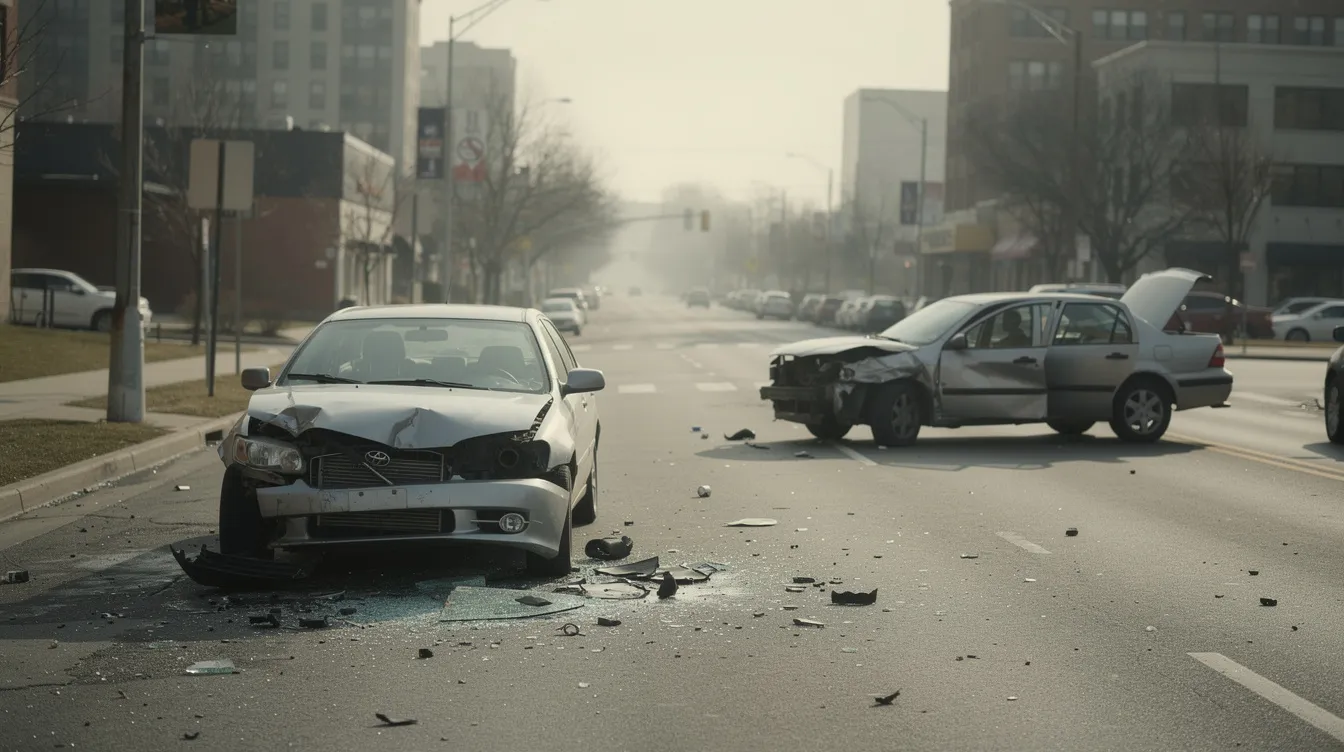
A hit and run accident occurs when the other driver leaves without providing identifying or insurance information. Many states treat this as a criminal offense, and police investigations are time-sensitive.
Timely reporting helps officers look for the vehicle, interview witnesses, and preserve nearby camera footage before it is lost.
How Delay Can Weaken a Hit-and-Run Claim
Insurers may be skeptical of hit-and-run claims reported accident days later, especially if damage could be consistent with parking lot incidents. Early photos of skid marks and broken parts support your story.
Witness memories fade quickly. For injured people, immediate medical records help show injuries were caused by the hit-and-run.
Uninsured Motorist (UM) Claims and Reporting Requirements
In many states, uninsured motorist coverage can apply when a hit-and-run driver cannot be identified, but insurers often require proof the crash was reported to police within 24–48 hours.
Failure to meet these policy deadlines can lead to claim denial. UM benefits may help address medical bills and wage loss, but recovery is not automatic.
Missed Opportunities for Criminal and Civil Accountability
Early reporting gives investigators a better chance to locate the at-fault driver. Identifying the fleeing driver can open civil claims against their assets and insurance.
Without prompt reporting, it may be impossible to know whether the other driver was intoxicated or driving without insurance.
How Long Do You Have to Report and File Claims? (Statutes of Limitations and Deadlines)
Short-term reporting duties to police, DMV, and insurers differ from longer deadlines for filing formal lawsuits. Each state sets its own statute of limitations for personal injury, property damage, and wrongful death claims. These limits often range from 1 to 6 years.
Personal Injury Claim Deadlines
Personal injury claims from car crashes generally cover medical expenses, lost income, and pain and suffering. California commonly has a 2-year statute of limitations for motor vehicle accident injuries. Other states may have 3 years or, in some cases, 1 year.
Despite having years to file a lawsuit, waiting can harm evidence gathering. Consult a personal injury attorney in your state for specific deadlines.
Property Damage Claim Deadlines
Claims limited to vehicle or property damage often have different statutes of limitations—sometimes 3 to 6 years. Even with longer deadlines, evidence about damage is easier to collect soon after the crash.
Note the difference between an insurance company’s internal filing deadline and a state’s statute of limitations for a lawsuit.
Wrongful Death and Claims Against Government Entities
When crashes result in death, family members may have wrongful death claims with their own deadlines—commonly around 2 years but variable. Claims involving government vehicles or dangerous road conditions often require formal notice within 6 months to 1 year.
These government notice requirements are separate from, and often shorter than, lawsuit deadlines.
How to Handle a Late Accident Report
Many people contact attorneys only after realizing they missed an initial reporting deadline. A car accident attorney can help review your situation, advise on next steps, and represent you in disputes with insurers or other parties. Even after a delay, reporting late is often better than not reporting at all, though expectations should be realistic.
Gathering Documentation for a Late Report
Collect all basic details: exact date, time, location, weather, other vehicles involved, and any police or incident numbers. Photos of vehicle damage and visible injuries can still help. Medical records and work-absence documentation connect the accident to current symptoms.
Keep copies of all forms submitted to DMV, police, or insurers.
Contacting Law Enforcement or DMV After a Delay
Some agencies accept late collision reports, though they may mark them as “delayed.” Call a non-emergency police line or visit a local police department to ask about requirements.
For DMV forms like California’s SR-1, complete the form truthfully even if submitting after the 10-day guideline. Bilingual clerks can help Spanish-speaking drivers complete forms correctly.
Working With Insurance Companies After Missing Deadlines
When contacting your car insurance company late, clearly explain reasons for the delay—hospitalization, language barriers, or confusion. Provide thorough documentation to show cooperation.
If a claim is denied due to late notice, a licensed attorney can review whether the denial appears consistent with state insurance regulations.
Steps to Take Immediately After Any Accident to Protect Yourself
Follow this checklist to reduce legal and financial consequences later:
- Check for injuries and call 911 or emergency services if anyone seems hurt
- Move to a safe location when possible
- Exchange information with the other driver (name, insurance, license plate)
- Take photos of the accident scene, vehicle damage, and visible injuries
- Note witnesses and get contact information
- Notify your insurer promptly—report the accident immediately or within 24 hours
- Seek medical attention even if injuries seem minor
- For workplace crashes, notify your supervisor or HR
How Los Defensores Helps Connect You With Legal Support
Dealing with accident reporting rules, insurance forms, and deadlines can feel overwhelming—especially for families more comfortable communicating in Spanish. Los Defensores is a legal advertising service that helps connect individuals with independent car accident attorneys, personal injury attorneys, motor vehicle accident lawyers, and workplace accident attorneys.
Los Defensores is not a law firm and does not provide legal services or legal representation. Legal services are provided by independent attorneys in our network.
You can request a free, confidential consultation in Spanish or English—by phone or online—to talk with an attorney about accident reporting issues, injuries, or work-related crashes.
This content was prepared with the assistance of AI technology and reviewed for accuracy. Results vary based on individual circumstances. This article provides general educational information and does not constitute legal advice for any specific situation. This content does not constitute legal advice and should not be relied upon as a substitute for consultation with a qualified attorney.