



When a car accident involves specific traffic violations like speeding, running a red light, DUI, or distracted driving, determining who bears legal responsibility becomes more complex. In the United States, these violations serve as important evidence in civil personal injury claims, but they represent just one piece of the liability puzzle. A traffic ticket issued at the scene does not automatically decide civil fault or determine how much an injured party may recover in damages.
Consider an intersection crash in Los Angeles where one driver ran a red light while the other driver was speeding. In this scenario, more than one driver can share accident liability under California’s comparative fault rules. The traffic citation issued to each driver becomes evidence, but insurance adjusters and courts look at multiple factors before determining liability percentages.
Los Defensores is a legal advertising service that helps connect Spanish-speaking accident victims with independent car accident attorneys for a free consultation. Any legal services are provided only by those independent attorneys. This article provides general information about traffic violation car accident liability and is not legal advice. Laws differ significantly by state, including differences between California, Texas, and Illinois.
What Is a Traffic Violation in a Car Accident Case?
Traffic violations are breaches of local or state traffic codes—such as the California Vehicle Code or Texas Transportation Code—that police officers may cite at the accident scene. These violations fall into categories that carry different weight when determining fault in a motor vehicle accident.
Common moving violations relevant to accidents include:
- Speeding (violating posted limits or driving too fast for conditions)
- Running a red light or stop sign
- Failure to yield right-of-way
- Unsafe lane changes
- Following too closely (tailgating)
- DUI or drug impairment
- Reckless driving
- Distracted driving (texting, phone use)
Non-moving violations like expired registration or a broken taillight typically carry less weight for accident causation. However, they may still appear in the police report and could affect credibility assessments.
Officers issue a traffic citation based on physical evidence (such as skid marks), witness statements, and their observations at the scene. However, civil liability and the insurance claim process evaluate fault separately from any criminal or traffic court proceedings.
For Spanish-speaking drivers, understanding exactly which statute appears on your ticket—including the code number—can be important when consulting with an attorney about your civil claim.
How Traffic Violations Affect Fault and Liability
Violating a traffic law can serve as strong evidence of driver’s negligence in a personal injury claim, but it represents one piece of the overall liability picture. Courts and insurance companies examine the full circumstances surrounding how the accident occurred.
In some states and circumstances, the legal doctrine of negligence per se may apply when a driver violates a safety statute designed to prevent the type of harm that occurred. For example, if someone causes a T-bone crash after running a red light in Houston in 2024, a court may treat that conduct as negligent behavior if the violation directly caused the collision.
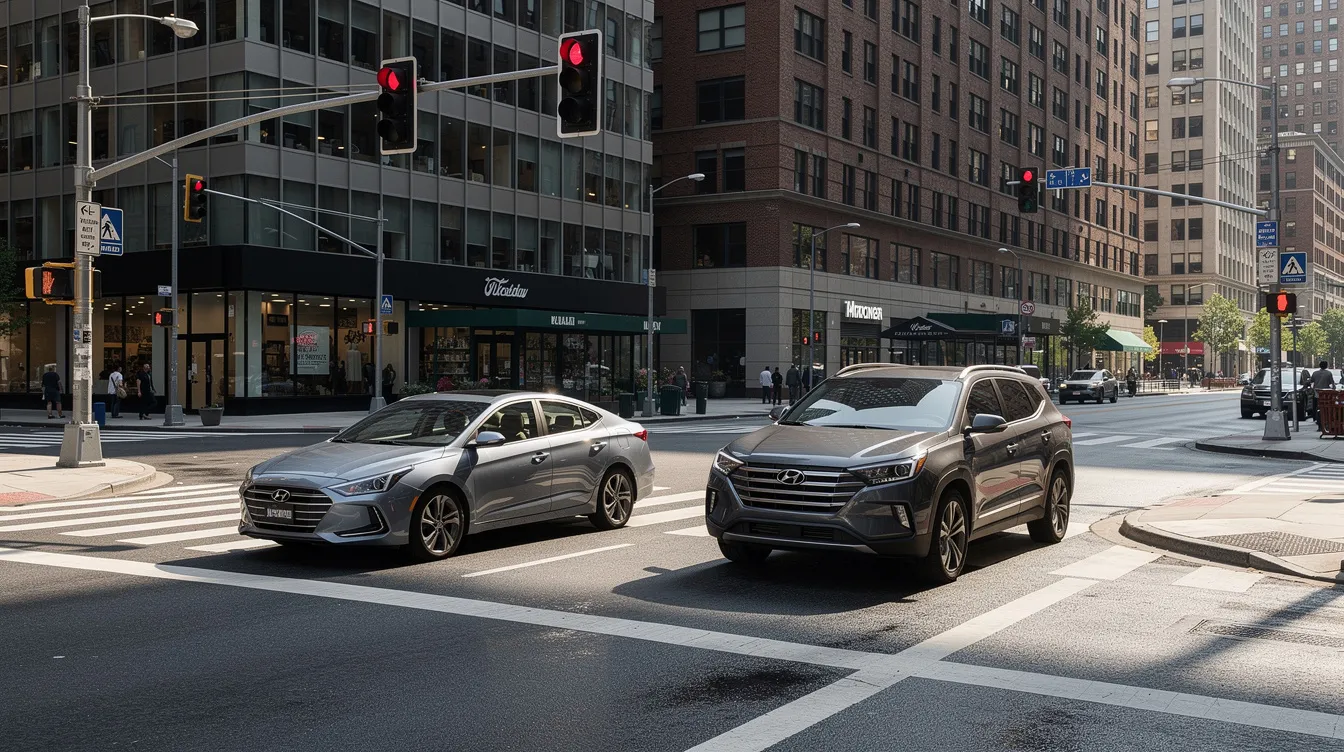
However, tickets, police reports, and witness statements are evaluated together. A traffic citation alone does not guarantee that a driver bears full legal responsibility for all damages. Consider this scenario: In a rear-end collision on I-5 in California, one driver was speeding while the other driver made an unsafe lane change. Both common traffic violations contributed to the crash, resulting in shared fault rather than placing all civil liability on one party.
Understanding how these factors interact can significantly impact potential recovery for medical bills, lost wages, and other legally recognized damages in a personal injury case.
Comparative Negligence and Shared Fault
Many states—including California, Texas, Illinois, Georgia, South Carolina, and Ohio—use comparative negligence systems where more than one driver can share legal fault for an accident.
Under a modified comparative negligence system, an injured person may pursue a claim as long as their percentage of fault stays below a certain threshold. Each state sets its own rules:
| State | Fault Threshold | System Type |
|---|---|---|
| California | No bar | Pure comparative |
| Texas | 51% bar | Modified |
| Illinois | Barred if more than 50% at fault | Modified comparative negligence |
| Ohio | Barred if more than 50% at fault | Modified comparative negligence |
| Georgia | 50% bar | Modified |
| South Carolina | 51% bar | Modified |
Example: If a jury finds Driver A 30% at fault for speeding and Driver B 70% at fault for running a red light in a Chicago crash, Driver A’s damages could be reduced by 30% under Illinois comparative fault rules. In Illinois, recovery is generally barred only if the plaintiff is more than 50% at fault.
Receiving a traffic ticket after an accident does not automatically prevent an injured driver from pursuing an injury claim. Even a ticketed driver may have grounds to recover damages if the other driver’s negligence contributed more substantially to the crash.
Common Traffic Violations That Heavily Influence Liability
Certain violations tend to carry significant weight in insurance negotiations and personal injury lawsuits because they directly relate to crash risk and severity.
Speeding
Driving over the speed limit or too fast for conditions can reduce stopping distance and increase crash severity. According to NHTSA, speeding was a contributing factor in 29% of all traffic fatalities in 2024.
Red Light and Stop Sign Violations
Side-impact and T-bone collisions at intersections often result in severe injuries. IIHS research indicates these crashes have significantly higher fatality rates. A 2022 four-way stop sign violation in Houston would likely become central evidence in any accident report.
Failure to Yield and Improper Left Turns
Failure-to-yield and improper left turns often become central issues in liability disputes because they can directly affect right-of-way and crash causation.Yield violations frequently become key factors in determining liability.
Distracted Driving
Phone records, dashcam footage, or witness statements can help show whether a driver was distracted. NHTSA reports that distracted driving was involved in crashes that killed 3,208 people in 2024.
DUI and Drug Impairment
A DUI arrest after a 2023 Phoenix crash carries both criminal consequences and serious civil liability implications. Blood alcohol levels over 0.08% correlate with significantly higher crash severity.
Tickets, Police Reports, and Evidence in a Liability Investigation
A typical police collision report contains several elements that influence how insurance companies and courts evaluate fault:
- Citations issued to involved drivers
- Diagram of the accident scene
- Weather and road conditions
- Officer’s narrative about contributing factors
- Witness statements collected at the scene
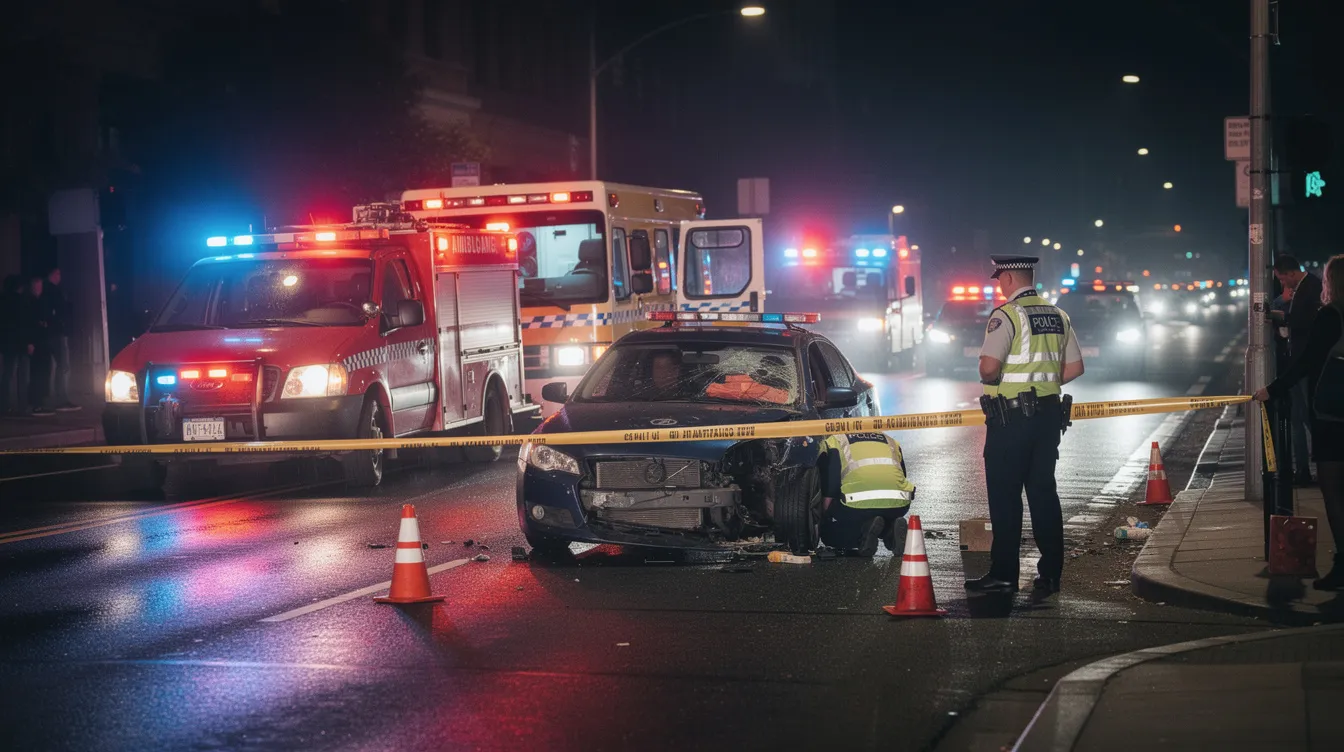
While the accident report serves as an important starting point, other evidence also matters in a 2024-2026 car accident case:
- Photos of vehicle damage and road layout
- Traffic camera or red light camera footage
- Dashcam video, if available
- 911 recordings
- Event data recorders (“black boxes”) that capture speed and braking data
- Medical records documenting injuries
Language barriers can affect how accident statements are recorded. Spanish-speaking drivers may benefit from having interpreters or Spanish-speaking legal staff when reviewing reports and providing statements.
What to Do If You Receive a Traffic Citation After a Crash
Receiving a ticket after an accident—whether on a 2025 Dallas freeway or a California intersection—does not automatically make you legally responsible for all losses.
Recommended steps:
- Stay calm and prioritize safety
- Seek medical care promptly, even for seemingly minor symptoms, because some injuries may not become fully apparent right away
- Request the incident report number and ask when and how the report will be available, since timelines vary by agency
- Keep copies of the traffic ticket, police report, photos, and any video evidence
- Avoid admitting fault or speculating about what happened to officers, the other driver, or insurance adjusters
Paying a ticket or entering a guilty plea in traffic court can sometimes be used as evidence in a later civil lawsuit or insurance claim. Consider consulting with an experienced attorney before deciding how to handle the traffic ticket case.
Organize your documents chronologically—citation date, emergency room visit, repair estimates—to help any personal injury attorney you consult evaluate your situation efficiently.
How Insurance Companies Use Traffic Violations in Claims
Auto insurers review crash reports, tickets, and driving histories when evaluating liability and potential payouts on accident claims.
A traffic citation can influence how an adjuster assigns fault percentages and may affect settlement offers, policy limits decisions, and coverage determinations. Insurance adjusters typically review:
- The police report and any citations
- Both drivers’ motor vehicle records (typically 3-5 years)
- Photos and other evidence from the accident scene
- Medical documentation of injuries
Serious violations—DUI, reckless driving, or excessive speeding—often lead insurers to take stricter positions on liability. Non-moving violations typically carry less weight for fault determination.
Traffic convictions can lead to premium increases or other underwriting consequences, depending on the violation, the insurer, and state law. More severe violations like DUI can result in substantially higher rate impacts or policy non-renewal.
Your Driving Record and Its Effect on a Car Accident Claim
A driver’s prior record of tickets and violations may be reviewed in litigation, especially if the personal injury case proceeds to trial.
A history of speeding or reckless driving citations between 2018 and 2024 could influence how an insurer or jury views a driver’s credibility. Conversely, a clean driving record may help a driver explain a one-time mistake.
However, prior violations do not automatically make someone at fault for a new crash. The focus in any civil claim remains on what actually happened in the specific collision at issue.
Pre-existing injuries—such as a 2021 neck problem documented in medical records—may be raised by insurers seeking to limit their exposure. Medical records can help separate prior conditions from new crash-related injuries suffered in the current accident.
Being honest about your driving record with any independent attorney you consult allows them to prepare appropriately for potential challenges.
When Traffic Violations Lead to Lawsuits
Some claims settle through insurance negotiations, while others proceed to civil lawsuits in state courts when liability or damages remain disputed.
Tickets for serious violations—DUI, running a red light, high-speed reckless driving—often become central evidence in a personal injury lawsuit involving serious injuries or wrongful death claims. In some cases, a guilty plea or traffic conviction may be used as evidence in a later civil claim, depending on the jurisdiction and the circumstances.
Key time limits (statutes of limitations) vary by state:
| State | Personal Injury Deadline |
|---|---|
| California | 2 years |
| Texas | 2 years |
| Illinois | 2 years |
These deadlines are strict. Confirming exact timelines with an experienced car accident attorney in your jurisdiction is essential.
If you receive court papers (summons, complaint) after a 2024-2026 crash, seek legal guidance promptly to avoid missing response deadlines that could affect your ability to recover compensation.
How Personal Injury Attorneys May Help in Traffic Violation Cases
An independent personal injury lawyer or car accident attorney typically takes several steps when evaluating a traffic-violation-related crash:
- Review police reports and tickets for errors or inconsistencies, since even small factual mistakes can affect how fault is evaluated
- Gather additional evidence including photos, camera footage, and electronic data recorder information
- Interview witnesses to clarify what actually caused the crash
- Analyze whether negligence per se applies under state law
- Evaluate how comparative negligence affects potential recovery
- Advise on whether to contest or resolve the traffic ticket as part of an overall legal strategy
Many personal injury attorneys work on a contingency-fee basis, where legal fees are a percentage of any recovery obtained. Clients may still be responsible for case costs such as filing fees, expert witness fees, or other expenses regardless of outcome.
Los Defensores does not provide legal services but helps connect individuals with independent attorneys who can evaluate these issues and discuss options for your specific situation.
Next Steps After a Traffic Violation and Car Accident
If you have suffered injuries in a 2024-2026 car accident involving traffic violations, consider these action steps:
- Seek medical evaluation, even for symptoms that seem minor
- Preserve all evidence including photos, receipts, and correspondence
- Avoid detailed fault discussions with insurance adjusters beyond basic facts
- Track all expenses including mounting medical bills and lost wages
- Consider speaking with an experienced attorney about your options
Spanish-speaking drivers and passengers deserve access to information in their preferred language. Understanding your rights and options is essential when navigating the legal system after a car accident. Los Defensores can help connect you with an independent personal injury attorney for a free, confidential consultation about your specific situation.
This content was created with AI assistance and reviewed for accuracy. This article provides general educational information and does not constitute legal advice for any specific situation. This content does not constitute legal advice and should not be relied upon as a substitute for consultation with a qualified attorney.