



Being involved in a car accident can be overwhelming, especially when you know the crash happened because of another driver’s actions. In the moments and days following a motor vehicle accident, the steps you take can significantly affect your ability to recover compensation for injuries, vehicle damage, and other losses. This guide walks you through what to do—starting at the accident scene and continuing through insurance claims and legal options.
Quick Answer: First 5 Things To Do Right After the Crash
If you’re still at the scene or just left, here’s your immediate checklist. These actions can help protect your safety and preserve important evidence.
Do these things first:
- Move to a safe place if your vehicle is drivable and local law permits—pull to the shoulder or a side street
- Call 911, even if the accident seems minor
- Check yourself and passengers for injuries; adrenaline can mask serious conditions
- Turn on hazard lights and set out reflective triangles or flares if available
- Avoid arguing about who caused the crash
Even if the other driver suggests handling things privately, call the police. A police report creates an official record that can be crucial for any insurance claim or personal injury claim later.
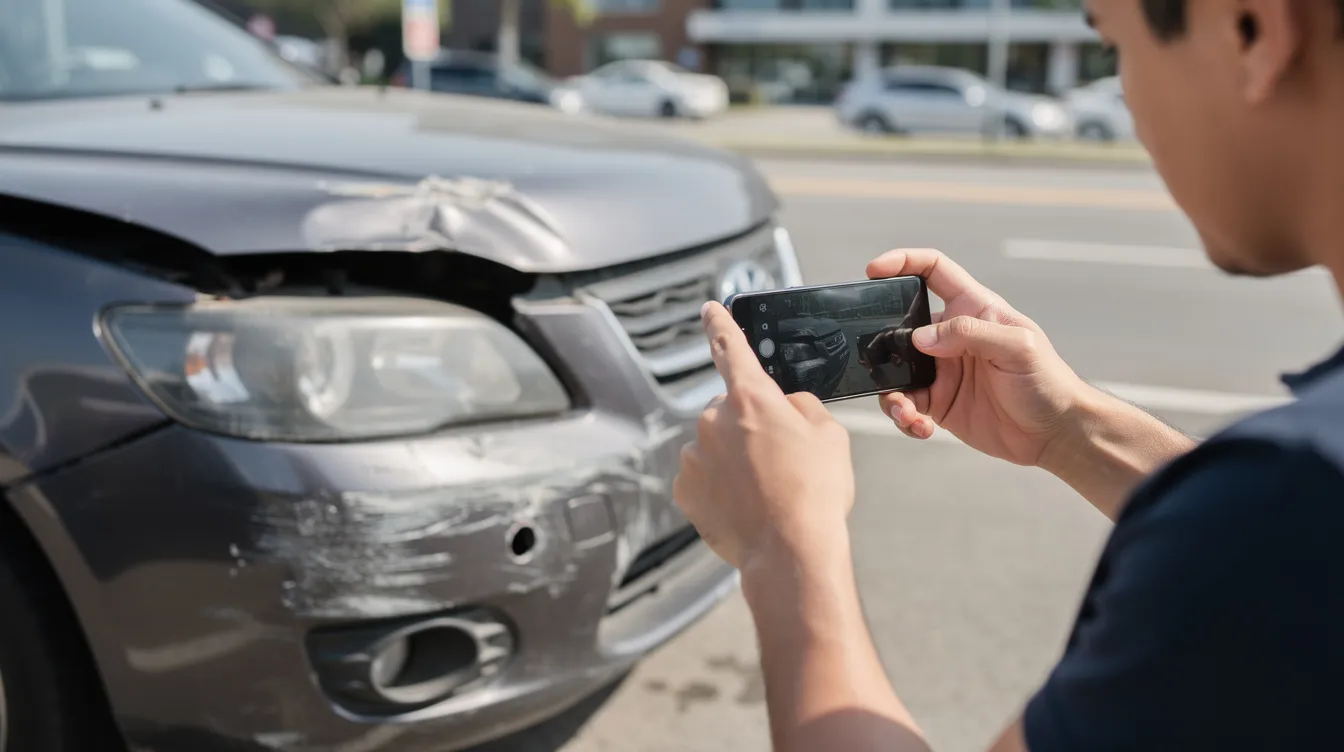
Once it’s safe, start taking photos and short videos with your phone. Capture the vehicles involved, skid marks, traffic signals, street signs, weather conditions, and any visible injuries. Exchange information with the other driver—name, phone number, license plate number, driver’s license numbers, insurance company name, and policy number. Get names and contact details from any witnesses.
Avoid phrases like “I’m sorry” or anything that could be interpreted as admitting fault. Stick to basic facts when speaking with anyone at the scene.
After these urgent steps, there are additional actions to take once you get home and in the days ahead.
Understanding Car Accidents That Aren’t Your Fault
When people say a car accident “wasn’t your fault,” they generally mean another party’s negligence caused the collision. Common examples include:
- Another driver running a red light
- Being rear-ended while stopped
- Unsafe lane changes
- Distracted driving (texting, phone use)
Fault represents legal responsibility for causing the crash. Insurance adjusters, and sometimes courts, determine liability based on evidence like the police report, witness statements, photos, and vehicle damage patterns.
At-fault vs. no-fault states:
| State Type | How It Works | Examples |
|---|---|---|
| At-fault | The driver responsible pays through their liability coverage | California, Texas |
| No-fault | You first use your own coverage (like PIP) for medical care | Florida, New York, Michigan |
In at-fault states, the at fault driver’s insurance is typically expected to cover injuries and property damage. In no-fault states, personal injury protection may cover initial medical treatment regardless of who caused the accident occurred.
Even when a police officer’s accident report suggests the other driver is responsible, insurance companies conduct their own investigations. Fault can become complicated with multiple vehicles involved or conflicting accounts.
Early, organized evidence helps protect your rights—especially when you believe the accident happened due to someone else’s actions.
Immediate Steps at the Scene of a Crash That Wasn’t Your Fault
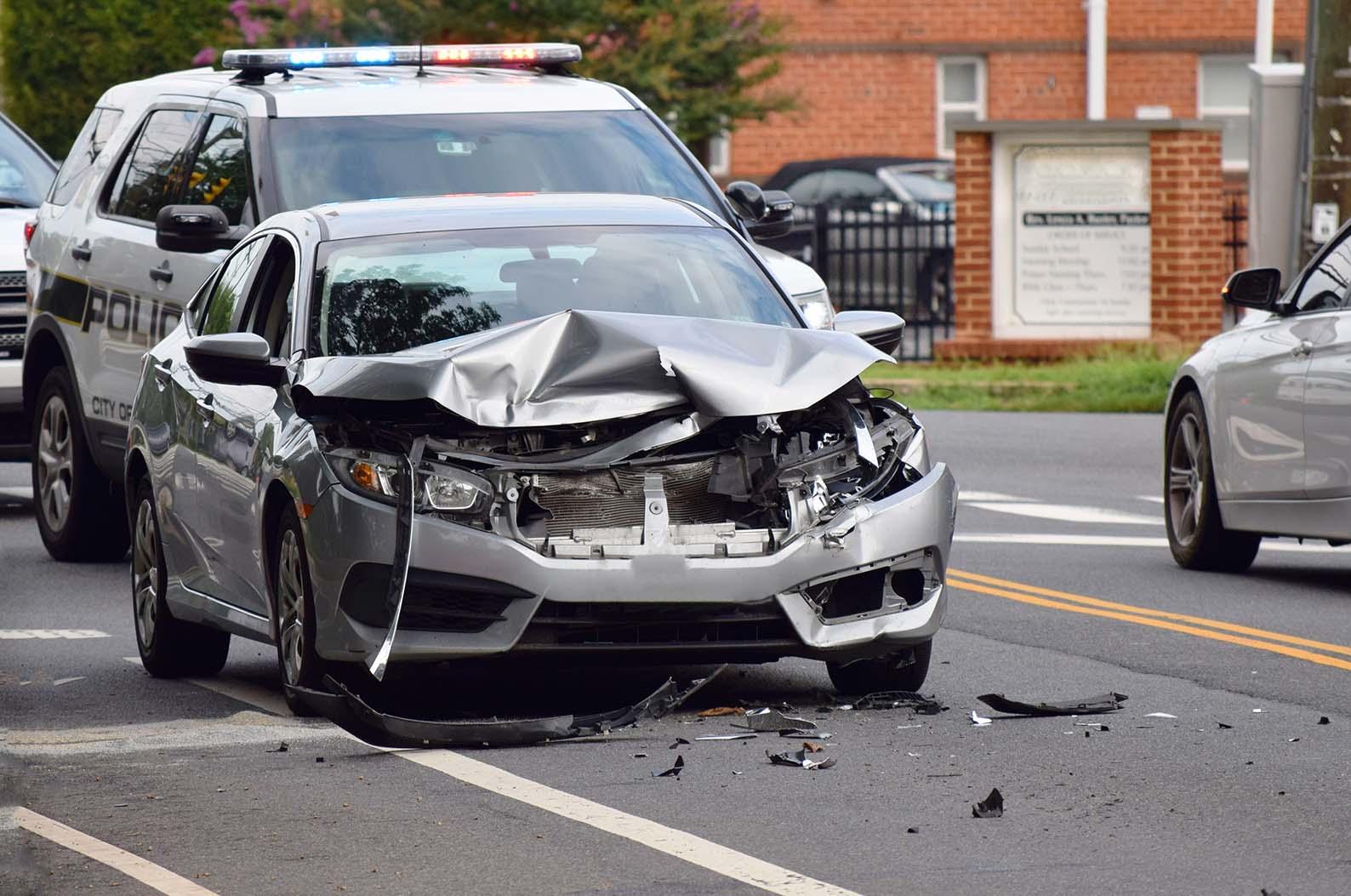
These steps focus on the minutes and first hour after the collision.
Safety comes first:
- Check yourself and passengers for physical injuries
- Call 911 immediately
- Move vehicles to the shoulder if drivable and permitted
Turn on hazard lights and deploy flares or reflective triangles if you have them. Stay out of active traffic lanes and avoid standing between vehicles.
Call the police even for a seemingly minor accident. Request that an officer come to the scene to create an official accident report. Ask for:
- The responding officer’s name and badge number
- The report number or instructions for obtaining it later (typically available 3-10 days after via department portals)
When giving your statement, share facts calmly: your direction of travel, the traffic light color, speed limits. Avoid guessing about speeds or speculating about fault.
Check for witnesses at nearby businesses, intersections, or parked cars. Politely ask for their names and contact information. Do not leave the accident scene before it’s legally permitted, especially if there are injuries or significant property damage.
Gathering Information and Evidence at the Scene
Your phone is a powerful documentation tool. Use it as soon as safety allows.
Collect this information from the other driver:
- Full name, phone number, and address
- Driver’s license number and license plates
- Insurance company name and policy number
- Vehicle make, model, and year
Take photos of:
- Both vehicles from multiple angles
- Close-ups of all damage
- Skid marks and debris patterns
- Traffic signals, stop signs, and lane markings
- Street names and any road hazards
- Visible injuries
Record voice notes about the time, date, weather conditions, and what each driver said immediately after the crash. Note accident details like “light rain, approximately 3:15 PM.”
Ask witnesses if they’d provide a brief recorded statement while events are fresh. Don’t rely on the other driver to report the crash honestly to their own insurance company.
What Not to Say or Do After a Crash
What you say at the scene can affect how fault is determined later.
Avoid these statements:
- “I’m sorry”
- “I didn’t see you”
- “It was my fault”
- Guesses about your speed or distance
If you’re unsure about details, say “I don’t know” rather than speculating. Insurance adjusters and attorneys review statements carefully.
Other things to avoid:
- Arguing with the other driver
- Accepting cash settlements on the spot
- Agreeing to keep the serious accident “off the record”
- Posting about the crash or car accident injuries on social media
If the other driver becomes aggressive, wait in a safe location for police. Avoid further confrontation.
What To Do Once You Get Home After the Accident
The hours and days after returning home are critical for documentation and protecting your health.
Same-day priorities:
- Write a detailed timeline including time of impact, where you were headed, weather, and anything unusual before the crash
- Create a folder (physical or digital) for all documents: police report number, photos, towing receipts, repair estimates, insurance correspondence
Start a journal tracking:
- Pain levels (scale of 1-10)
- Medications taken
- Sleep difficulties
- Missed workdays
- How injuries affect daily activities
If hospitalization or medication makes this difficult, ask a family member to help collect records. Consider recording a short audio or video summary of what you remember while memories remain fresh.
Your next priorities: seeking medical attention and notifying insurance providers.
Seeking Prompt Medical Care
Some car accident injuries don’t appear immediately. Whiplash, concussions, and internal injuries may not manifest until hours or days after the traumatic accident.
Immediate medical steps:
- Accept evaluation from paramedics at the scene
- Visit an emergency room, urgent care, or doctor the same day—even if you feel “fine”
- Tell the medical professional the exact date, location, and how your body moved during impact
For example, if you were rear-ended while stopped: “My head snapped forward and back.” This helps doctors assess potential injuries like whiplash, which affects millions annually and often peaks 24-48 hours after impact.
Follow through with all recommended appointments, imaging (X-rays, MRIs), and physical therapy. Save every medical bill and record. Don’t minimize symptoms to doctors—accurate documentation supports both your health and any future car accident claim.
Note any new or worsening symptoms that appear days later and return to a medical professional promptly.
How Insurance Works When the Crash Wasn’t Your Fault
At least two insurance companies are typically involved: your own insurer and the other driver’s insurance company.
A third party insurance claim is filed against the at fault driver’s insurance coverage. This can cover:
- Vehicle repairs or car repairs
- Medical bills and medical expenses
- Lost wages in some cases
In at-fault states, you generally seek payment from the fault driver’s insurance company. In no-fault states, you may first use your own personal injury protection (PIP) for medical treatment before pursuing additional claims.
If the at fault driver has low coverage limits or no auto insurance policy, your own uninsured motorist or underinsured motorist coverage may help cover some losses, depending on your policy.
Insurance companies review evidence—police reports, photos, witness statements, and sometimes event data recorders from vehicles—to determine liability. These investigations can take 30-90 days, and initial fault decisions aren’t always final.
Reporting the Accident to Your Own Insurance Company
Most auto insurance policies require prompt notice of any crash, even when the other driver appears responsible.
Contact your own insurance company soon after the collision. Provide basic facts:
- Date, time, and location
- Vehicles involved
- Whether police or medical teams responded
Be honest and accurate, but don’t guess about unclear details or accept blame. Your insurer will assign a claim number and an adjuster who may help arrange vehicle inspection, car repairs, or a rental car depending on your insurance coverage.
If your insurance provider requests a recorded statement, you can ask questions, review your notes, or speak with an attorney before agreeing. Keep a written log of every call: dates, names, and what was discussed.
Dealing With the Other Driver’s Insurance Adjuster
The other driver’s insurer represents its own policyholder’s interests.
When speaking with the other driver’s insurer:
- Be polite but cautious
- Stick to basic facts: date, location, vehicle types
- You can decline to give a recorded statement until you’ve spoken with an attorney
Early settlement offers may not reflect the full impact of injuries, especially when medical treatment is ongoing. Before signing releases or authorizations, understand what you’re agreeing to—some give broad access to years of unrelated medical records.
If the other driver’s insurance company denies responsibility or delays the claims process, consulting a car accident attorney may help clarify your options.
When the Other Driver Is Uninsured or Underinsured
According to industry data, roughly 1 in 8 drivers in the U.S. lacks insurance. Some carry only minimum limits that may not cover serious injuries.
Understanding UM/UIM coverage:
Uninsured motorist (UM) and underinsured motorist coverage can help with:
- Medical bills
- Lost wages
- In some cases, pain and suffering (depending on policy language)
Example scenario: The at fault driver carries only $15,000 in bodily injury limits, but your damages total $50,000. If you have $100,000 in UIM coverage under your own auto insurance policy, your policy may help cover the gap.
Review your declarations page or online account to check if you carry UM/UIM coverage and what your limits are. These claims are made with your own insurance company, and they may still investigate and negotiate rather than automatically paying policy limits.
Disputes can arise over injury value or coverage details. Legal advice can be helpful in these situations.
Protecting Yourself When Fault Is Disputed
Sometimes the other driver or their insurer insists the crash was partly or entirely your fault, even when you disagree.
Understanding negligence types:
| Type | How It Works |
|---|---|
| Pure comparative | Damages reduced by your percentage of fault (e.g., 20% at fault = 80% recovery) |
| Modified comparative | Recovery barred if you’re more than 50% at fault |
| Contributory | Any fault on your part may bar recovery entirely |
Once the police report is available, review it carefully. Check that your statement, the diagram, and damage locations are recorded accurately.
Steps to protect your position:
- Collect additional evidence: dashcam footage, business surveillance, traffic camera images
- Seek new witness statements if available
- Submit a written addendum if the report contains errors
Stay calm and avoid direct confrontations with the other driver about fault. Focus on documentation and, if needed, legal consultation.
Communicating With Insurance When You Disagree About Fault
Clear, organized communication matters when challenging a fault decision.
- Send written summaries (email or letters) to insurers when disputing fault
- Attach photos, diagrams, and any new evidence
- Keep copies of all submissions with dates
Request in writing that the insurer explain which evidence was used to assign fault and whether reconsideration is possible. If the insurer maintains a decision you believe is incorrect, consulting an experienced car accident lawyer to review your file may be useful.
How a Car Accident Attorney May Help After a Crash That Wasn’t Your Fault
Legal guidance can be helpful when injuries are serious, medical bills are substantial, or there’s disagreement about fault or insurance coverage.
What a personal injury car accident attorney may do:
- Review the police report, photos, and medical records
- Identify possible insurance coverages
- Communicate with insurance adjusters on the client’s behalf
- Help calculate potential claim elements like medical expenses, lost wages, vehicle damage, and, in some cases, pain and suffering
Many car accident attorneys work on a contingency-fee basis, where attorney fees are typically paid as a percentage of any recovery. Clients may still be responsible for certain case costs.
About Los Defensores: Los Defensores is a legal advertising service that helps connect Spanish-speaking individuals with independent car accident and personal injury attorneys in its network. Any legal advice or representation is provided by independent, licensed attorneys who are responsible for their own services—not by Los Defensores itself.
If you’re a Spanish speaker in the United States feeling overwhelmed by the insurance claims process or uncertain about your legal options, consider requesting a free, confidential consultation in Spanish.
When to Consider Reaching Out for Legal Help
Not every minor fender bender requires an attorney, but certain situations may benefit from legal guidance.
Consider reaching out when:
- Serious injuries require hospital care, surgery, or ongoing therapy
- Multiple vehicles were involved
- Fault is disputed
- The other driver is an uninsured motorist or left the scene
- The insurer denied your claim or blamed you
- A settlement offer arrived before treatment finished
Speaking with an attorney early can help you avoid missteps like missing filing deadlines or signing broad releases too soon. A consultation can help you understand possible timelines, what documents to keep, and what next steps might look like for your personal injury cases.
Taking organized steps after a car crash can help protect your health and your ability to pursue compensation. Whether you’re dealing with the fault driver’s insurance, disputed liability, or wondering about your car accident case, you don’t have to navigate insurance claims alone.
Paid attorney advertising by attorneys participating in a joint advertising program, including David F. Makkabi, who is licensed to practice law in California only. A complete list of joint advertising attorneys can be found at https://www.losdefensores.com/patrocinadores. This is a group ad for independent law firms. Los Defensores is a marketing firm, not a law firm nor a lawyer referral service. Los Defensores may connect consumers with independent participating attorneys; however, no attorney-client relationship is established unless and until the consumer signs a retainer agreement with the attorney. This article is for general informational purposes only, is not legal advice and does not create an attorney-client relationship. Results vary based on the specific facts and law applicable to each case. This content was created with AI assistance and reviewed for accuracy, including the images contained herein. Hiring a lawyer is an important decision and should not be based solely on ads. No claim is made that participating attorneys are better than others.