





The words you say in the minutes after an accident can affect your claim for a long time. These are the phrases you should avoid — and why.
An accident happens in seconds, but its consequences can last for years. In those first minutes after a crash — with adrenaline pumping, shock still setting in, and the natural confusion of not knowing exactly what happened — many people say things that, without realizing it, can seriously hurt their claim down the road.
Insurance companies know this. That’s why adjusters may reach out for a statement shortly after the accident, sometimes before the person has spoken with an attorney or had time to fully process what happened. Not because you did anything wrong, but because what you say under stress can influence how fault, injuries, and the value of your claim are evaluated.
This article covers six common phrases accident victims may say without thinking, why each one can put your case at risk, and what you could say instead.
“I’m Sorry” — The Apology That Could Be Interpreted as an Admission of Fault
It’s one of the most human reflexes there is. Someone’s hurt, there’s visible damage, the situation is tense, and many people’s automatic reaction is to apologize — even when they had no real responsibility for what happened.
“I’m sorry” can come out of simple courtesy, from the shock of the moment, or from the instinct to calm an uncomfortable situation.
The problem is that a phrase like “I’m sorry” can be interpreted differently depending on the context and state laws. A general expression of concern doesn’t always equal admitting fault, but phrases like “I’m sorry, it was my fault” or “I didn’t see you” can hurt your claim. That’s why the safest approach is to show concern for everyone’s safety without making statements about responsibility.
Insurance companies and the other party’s attorneys can use that phrase as evidence that you acknowledged causing the accident — even if the real cause was something entirely different: a mechanical failure in the other vehicle, a poorly maintained traffic sign, or an error by the other driver that you didn’t even notice at the time.
What to do: Stick to checking that everyone is okay and exchanging the necessary information with the other party. There’s no need to explain what happened, much less assume fault, before a proper investigation of the facts takes place.
“I Didn’t See You” / “It Was My Fault” — Statements That Can Hurt Your Claim
These two phrases are among the most damaging things a person can say after an accident, because they go beyond a polite apology — they’re explicit statements of responsibility.
“I didn’t see you” implies you weren’t paying enough attention to the road. “It was my fault” is, plainly, an admission of negligence.
In the moment of an accident, it’s virtually impossible for anyone to have a complete and accurate understanding of how events unfolded.
The actual reconstruction of an accident requires evidence: the police report, witness statements, nearby security cameras, analysis of vehicle damage, and in more complex cases, even specialists in accident reconstruction.
Saying “it was my fault” at the scene, before any of that analysis exists, can seriously affect your claim or reduce the compensation available to you, depending on the investigation and the laws of your state.
What to say: Share the basic facts with police when they arrive — what direction you were heading, what you saw, what you felt — without making judgments about who was at fault. That determination belongs to the investigation, not to an instinctive reaction at the scene of the crash.
“I Feel Fine” / “I’m Not Injured” — The Danger of Underestimating the Real Damage
After an accident, it’s common for the body, still running on adrenaline, to show no clear signs of pain or injury. Many injuries common in car accidents — such as whiplash, soft tissue injuries, mild concussions, or spinal damage — don’t present obvious symptoms until hours or even days after the incident.
Saying “I feel fine” or “I’m not injured” at the scene, in front of police or the other party, can become a serious obstacle if you start experiencing pain, stiffness, or other symptoms hours later.
The other party’s insurance company can use that initial statement to argue that your injuries aren’t really related to the accident, or that they’re being exaggerated.
What to say: The safest approach is to say you’re not sure about your condition and that you need to be evaluated by a doctor. Seeking medical attention immediately after an accident — even if you feel relatively fine at the time — is one of the most important steps you can take for both your health and your legal claim.
“Let’s Just Handle This Between Us” / “We Can Work This Out on Our Own” — The Informal Agreement That Can Cost You Big

It’s understandable to want to avoid the hassle of a formal claims process. Calling insurance, waiting for a damage assessment, dealing with adjusters — all of it can feel like an unnecessary headache, especially if the accident seems minor at the time.
That’s why some people suggest handling things directly with the other party, without involving insurance companies.
These kinds of informal agreements are extremely risky.
First, because what looks like minor damage at the scene may not be. Both vehicle damage and bodily injuries sometimes don’t fully reveal themselves until days later.
Second, because a verbal or informal agreement doesn’t have the same legal protection as a proper process through insurance companies, and the other party may simply not follow through on their promises once they leave the scene.
And third, because these agreements are usually made without a real understanding of the actual costs — medical bills, repairs, lost time at work — that an accident can generate over time.
It’s better to follow the standard process: report the accident to the police, exchange insurance information, and let the formal process determine fault and the corresponding compensation. Settling things “on your own” almost never benefits the person who was injured.
“I Can Give a Recorded Statement” — The Most Common Insurance Trap
Shortly after an accident, you’ll very likely get a call from the other party’s insurance company — and sometimes even your own — requesting a “recorded statement” about what happened.
These calls are usually presented as a simple administrative step, quick and with no real consequences.
In reality, these statements are one of the most effective tools adjusters have to reduce or deny claims.
The questions are designed, often subtly, to lead the person being interviewed into minimizing their injuries, partially accepting responsibility, or making statements that can later contradict the medical evidence or the police report.
Once recorded, that statement becomes permanent evidence, and there’s practically no way to correct it later if you realize you said something inaccurately.
What to say: Generally, you’re not required to give an immediate recorded statement to the other party’s insurance company. With your own insurer, your policy may require cooperation, but you can still ask for time to review the request and seek legal guidance before giving a formal statement.
It’s completely reasonable to say you’d prefer to speak with your attorney before making any formal statement, and that you’ll be in touch when you’re ready. Also, document every contact attempt from the insurance company and keep a brief record of those conversations.
Reputable insurance companies understand this position, and any excessive pressure to get an immediate statement is, in itself, a red flag.
“I Don’t Think I Need a Lawyer” — The Decision That Gets Made Too Soon
It’s understandable to think, especially after accidents that seem minor, that hiring an attorney is an unnecessary expense or complication.
Many people assume their own insurance company will handle everything fairly, or that the process is straightforward enough to manage without legal help.
The problem is that this decision is usually made at the worst possible moment: right after the accident, without complete information about how serious the injuries really are, without understanding how insurance negotiations actually work, and without realizing that insurance companies — regardless of which one — are in the business of paying as little as possible on every claim. That’s why, even after a car accident that seems simple, it’s worth seeking legal guidance if you have any doubts about what happened or about your rights.
Some insurance industry studies have found differences in claim payouts when claimants have legal representation, although every case depends on its facts, injuries, evidence, and jurisdiction.
What to say: You don’t need to make that decision at the scene or in the days immediately after.
A prudent step is to schedule at least an initial review with a personal injury attorney — most offer this first consultation at no cost — to objectively understand whether your case needs legal representation before accepting any offer or closing the process on your own. Also, initial offers from insurance companies tend to be low. That evaluation can also help you decide whether negotiating is enough or whether filing a lawsuit might be necessary.
Los Defensores can connect you with an independent attorney from their network for a free initial consultation.
Why Every Word Matters: How Insurance Companies Work
To understand why these phrases can be risky, it’s important to understand how insurance companies operate during the claims process.
Insurance companies have teams of adjusters responsible for investigating claims, reviewing evidence, analyzing statements, detecting inconsistencies, and determining the payout amount based on the policy, the damages, and the facts of the case.
This doesn’t mean all insurance companies act in bad faith. However, like any business, insurers also aim to control costs and avoid payments they consider unsubstantiated, unproven, or higher than what their assessment says should be paid. That assessment doesn’t always align with the interests of the injured person, who wants all their damages to be recognized.
That’s why any statement — written, recorded, or even spoken at the scene — can become part of the file and affect how the claim is calculated, negotiated, or disputed. In some cases, a phrase said under stress can be used to argue for a lower payout or even to deny part of the claim.
For this reason, many attorneys who handle car accident cases recommend documenting the facts, seeking medical attention, and avoiding substantive statements about fault or injuries until you’ve received legal guidance.
What You SHOULD Do After a Car Accident
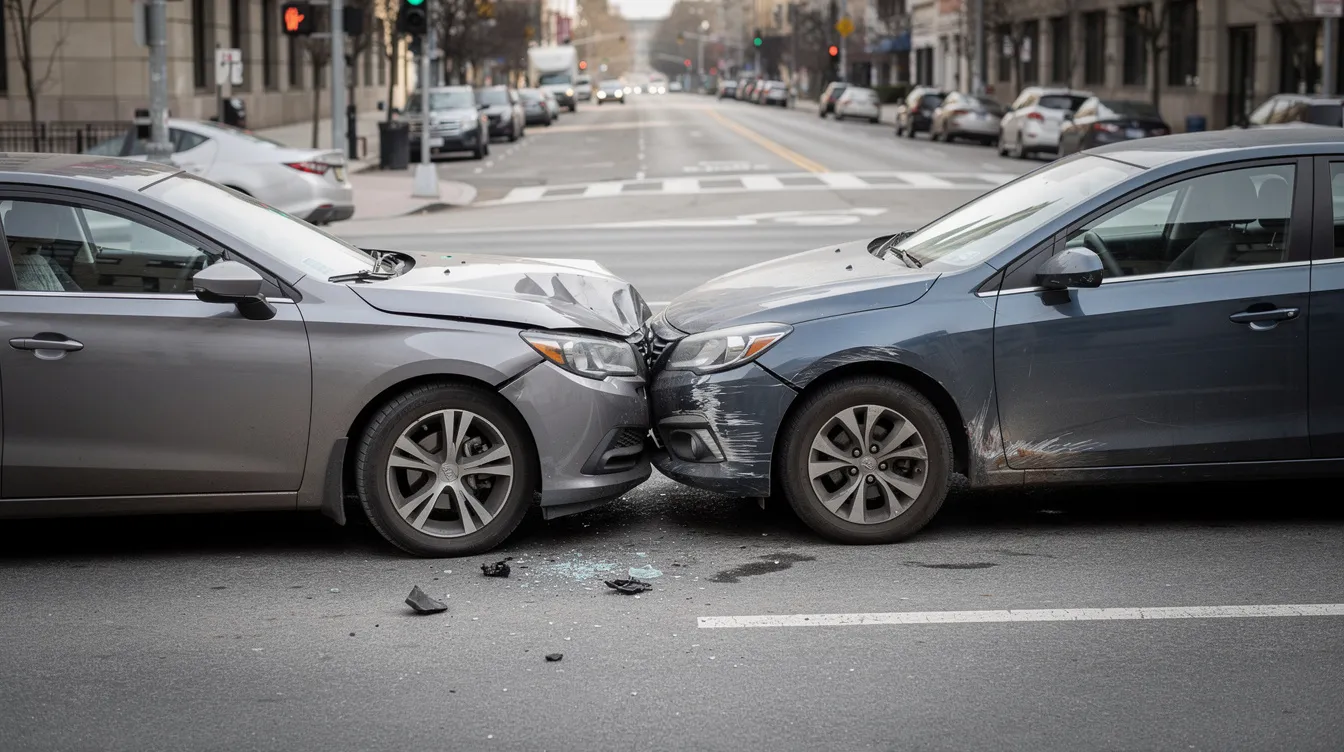
Beyond what you shouldn’t say, there are concrete steps that protect both your safety and your legal position:
Stop and Check That Everyone Is Safe
Before anything else, confirm that no one is in immediate danger and seek medical attention if needed.
Call the Police and Request an Official Report
This document can help establish the basic facts of the incident, although legal liability may depend on additional evidence. It’s also a good idea to request a copy of the report to keep an official record, verify relevant details, and have an important piece of evidence for your claim.
Take Photos of the Scene
Vehicle damage, license plates, road conditions, relevant traffic signs, and anything that could help reconstruct what happened. Save those photos as evidence and don’t post them outside of the case process.
Collect Witness Information
Names and contact information of anyone who directly saw the accident.
Exchange Basic Information with the Other Party
Name, license number, insurance information, and basic vehicle details. This is necessary and carries no legal risk, unlike discussing who was at fault.
Seek Medical Attention, Even If You Feel Fine
Some injuries can appear hours or days later, and a timely medical record is especially important after an accident — not just when the pain is immediate — because it significantly strengthens any future claim.
Avoid Posting About the Accident on Social Media
Insurance companies frequently review the social media profiles of people involved in a claim, looking for any statement, photo, or comment that could be used to question the severity of injuries or the version of events. Posting information about the accident can create problems for your claim.
Consult an Attorney Before Accepting Any Agreement or Giving Formal Statements
A consultation with an experienced attorney can help you understand exactly what rights you have and the real value of your case before committing to anything.
Strategic Silence Is Not Dishonesty
It’s important to clarify something: avoiding certain statements after an accident doesn’t mean lying, hiding information, or acting in bad faith. It simply means recognizing that in the minutes after a crash — under shock, confusion, and stress — no one is in the best position to make definitive statements about fault, about the true state of their injuries, or in a way that could later be interpreted as an admission of liability.
The law recognizes this reality. That’s why formal investigation processes, expert assessments, medical evaluations, and negotiations between parties exist — precisely because determining the facts and the true extent of damages requires time and proper evidence, not instinctive reactions at the scene of the accident.
If you or someone in your family is involved in a car accident, remembering these phrases — and avoiding them — can be the difference between a fair claims process and a situation where you end up taking on responsibility or accepting compensation far below what your case actually deserves, especially in complex collisions or multi-vehicle crashes where speaking too quickly can hurt you even more.
Were You in an Accident and Don’t Know What to Do?
If you were injured in an accident, with or without a police report, fill out this form on our website for a free and confidential review of your case — it may be the best way to quickly understand your legal options. Los Defensores can connect you with an independent attorney from its network who can guide you through your legal options and help you understand the next steps.
Learn about your rights. Your immigration status should not prevent you from seeking legal guidance.
This content is provided for general informational purposes only. It does not constitute legal advice. For guidance specific to your situation, please consult with a licensed attorney.