





Car accidents happen every day on U.S. roads. According to U.S. Department of Transportation crash data, there were more than 6 million police-reported crashes in 2023, including injury and property-damage-only crashes. Results vary by case and location, but the first minutes after a car accident can affect safety, an insurance claim, and possible personal injury claims.
This guide walks you through what to do after a car accident key steps: what to do at the accident scene, how to handle your insurance company, when to seek medical attention, and when legal guidance may be useful. It applies generally across the U.S., but laws can differ by state, including California, Texas, and Indiana.
Los Defensores is a legal advertising service that helps connect Spanish-speaking individuals with independent attorneys. Legal services are provided by independent attorneys, not by Los Defensores. This article is general information, not legal advice for a specific case. This article was created with AI assistance. Attorney [Name] of [City, State] is responsible for this advertisement.
Step 1: Stay Calm, Check for Injuries & Call Emergency Services
After an auto accident, take a breath and prioritize safety. Stop immediately, stay at the scene, and evaluate yourself and your passengers for pain or trauma after a car accident. Staying at the scene of a car accident is legally required, and leaving can result in severe criminal penalties.
- Check for bleeding, dizziness, neck pain, back pain, confusion, or visible injuries.
- Check other passengers and injured people, but avoid moving anyone who appears seriously hurt unless there is immediate danger.
- Call 911 or local emergency services if anyone is hurt, traffic is blocked, or there is significant property damage.
- After a car accident, it is crucial to check yourself and your passengers for injuries and call 911 if anyone is hurt, as prompt medical attention can be vital.
- Adrenaline can mask symptoms of injuries after an accident; seeking medical attention is crucial.
- Even if injuries seem minor, emergency personnel can evaluate the car crash and decide whether medical help is needed.
In many states, you may need to call the police when injuries, death, or substantial damage occur. A police report can become an important document in the claims process.
Step 2: Get to Safety and Secure the Accident Scene
If you can move safely, get away from active traffic to reduce the risk of a second serious collision. On a busy freeway in Los Angeles, that may mean moving to the shoulder; on a residential street, it may mean pulling into a nearby safe location.
- If safe to do so, move your vehicle to the side of the road to avoid further accidents and turn on your hazard lights to alert other drivers.
- If the vehicles cannot move, turn on hazard lights and get yourself to a sidewalk, median, or other secure area.
- Use cones, warning triangles, or flares if available, especially at night, in rain, or near curves.
- Turn off the engine and apply the parking brake.
- Avoid standing between vehicles or near other vehicles in moving traffic.
- Follow instructions from police officers when they arrive.
Some states expect drivers to move vehicles out of travel lanes when possible. If you are unsure, prioritize safety and wait for instructions when the police arrive.
Step 3: Call the Police and Follow Reporting Requirements

Calling the police helps create an official record of the accident. The report may later help your insurance company, insurance adjusters, or an attorney review what happened.
Call 911 for injuries, blocked lanes, a suspected impaired driver, or major vehicle damage. For a minor fender bender, a non-emergency number may be appropriate depending on local practice. When officers respond, request the responding police officer’s name, badge number, and the accident report number for insurance purposes. If possible, write down the name and badge number before leaving.
Police usually record detailed information such as date, time, location, weather, vehicles involved, witness information, visible injuries, and damage. Always call the police to report the accident when injuries, major damage, or legal reporting rules may apply, as they can document the scene and create an official report that may be necessary for insurance claims.
In some states, a report must be filed with the DMV if damages exceed a certain dollar amount or if there are injuries. In California, if a car accident results in injury, death, or property damage exceeding $1,000, you must file a SR-1 report with the DMV within 10 days. The california vehicle code and DMV rules may also require separate reporting beyond the police report, so check your state DMV or transportation department.
Step 4: Exchange Information Without Admitting Fault
Drivers typically have a legal duty to exchange information after a car accident involving injury, death, or property damage. When involved in an accident, exchanging information with the other driver is legally required, including names, contact details, and insurance information.
Collect and share:
| Information | What to record |
|---|---|
| Identity | Full name, address, phone numbers, driver’s license number, and driver’s license photo if permitted |
| Vehicle | License plate, vehicle registration, make, model, color, and visible vehicle damage |
| Insurance | Insurance company name, insurance policy number, and insurance information |
| People | Contact details for the driver, other parties, and other passengers |
It is important to exchange contact and insurance information with the other driver involved in the accident, but avoid discussing fault at this stage. Avoid admitting fault or apologizing to the other driver after an accident, as such remarks may be used as an admission of guilt. Stick to the facts when describing the accident; avoid speculation or guessing.
Insurance adjusters and, if involved, an experienced personal injury attorney may later review photos, statements, traffic signals, and other evidence to determine fault.
Step 5: Document the Accident Scene Thoroughly
Photos, videos, and notes from the accident scene can become useful evidence for an insurance claim or personal injury case. Failing to preserve evidence, such as photographs of the accident scene and medical records, can significantly weaken your claim against the insurance company.
Take photos from multiple angles, including:
- Wide shots of the surrounding area and all vehicles involved.
- Close-ups of vehicle damage, broken glass, airbag deployment, skid marks, and debris.
- Traffic signals, stop signs, lane markings, construction zones, speed limit signs, weather, and lighting.
- Any visible injuries, if the injured person is comfortable with that.
After ensuring safety, document the accident scene by taking photos of the vehicles, damages, and any relevant road conditions or signs. Documenting the accident scene is crucial as it helps establish fault and liability, which can be critical for insurance claims. Taking clear photographs of the vehicles involved, any visible damage, and the surrounding area can provide essential evidence for your claim.
Collecting contact information from witnesses and noting their observations can be invaluable if liability is disputed later. Start a simple record with the time, location, what you remember, and any pain that starts after the accident.
Step 6: Notify Your Insurance Company Promptly and Start the Claims Process
Most auto insurance policies require policyholders to notify the insurance company promptly after a car accident, even if the damage seems small. Most states require that you report an accident to your insurance company promptly, and failure to do so can affect your claim.
Use the number on your insurance card, mobile app, or online portal. Be ready to provide:
- Date, time, and location.
- A simple description of what happened.
- Names and contact details of drivers and witnesses.
- Photos, police report number, and towing or repair documents.
After you file a claim with your insurance company, they will contact you for detailed information regarding the loss and may take a written or recorded statement. Insurance companies typically assign an adjuster to inspect your vehicle for damage to help determine fault in the accident and repair costs after a claim is filed.
Keep a log of every call, email, claim number, estimate, and rental car receipt. If the insurance company does not contact you within a reasonable period after reporting a loss, you should call your agent or insurance company for assistance, as they can take up to 15 days to respond.
Step 7: Get Medical Evaluation and Track Your Recovery
Some injuries from a car accident appear hours, days, or even weeks later. Whiplash, concussions, soft-tissue damage, internal injuries, and internal bleeding may not be obvious at the scene. Even if you feel fine after an accident, it is crucial to seek medical attention as some injuries, such as whiplash or internal injuries, may not be immediately apparent.
Visit an emergency room, urgent care clinic, or primary doctor as soon as possible. Tell the provider that your pain may be related to a motor vehicle accident so the connection appears in your medical records. Prompt medical care not only ensures your well-being but also provides documentation that can be critical if you need to file a claim later.
Some injuries, like concussions or soft tissue damage, can become evident only days or weeks after an accident, making immediate medical evaluation important. Follow treatment plans, attend follow-up visits, and keep copies of prescriptions, imaging, referrals, and bills.
A recovery journal can help track:
- Pain levels and sleep problems.
- Missed workdays and possible lost wages.
- Limits on driving, childcare, lifting, or daily activities.
- Emotional changes, anxiety, or fear after the accident.
These records may help an independent attorney understand how the injuries affect your well being and legal rights.
Step 8: Be Careful When Dealing with Insurance Adjusters and Common Pitfalls
Your insurer or the other driver’s insurance company may contact you. Stay polite, but be careful. Provide facts you know, and say “I’m not sure” if you do not know an answer.
It’s crucial to avoid giving recorded statements to insurance adjusters without legal counsel, as these statements can be misinterpreted and used against you later. Some people choose to speak with legal counsel before signing broad medical or employment authorizations.
Common pitfalls include:
- Admitting fault or guessing about speed, distance, or injuries.
- Saying pain is “nothing” before medical care confirms the extent of injuries.
- Accepting a fair settlement too early.
- Posting photos or comments about the accident on social media.
- Throwing away receipts, repair estimates, medical records, or letters.
Insurance companies often push for quick settlements after an accident, which can be tempting but may not reflect the full extent of your damages once all injuries are assessed. A possible fair compensation discussion may include medical bills, repair costs, lost wages, and other claim elements, depending on state law and the facts.
Step 9: When to Consider Contacting an Experienced Personal Injury Attorney
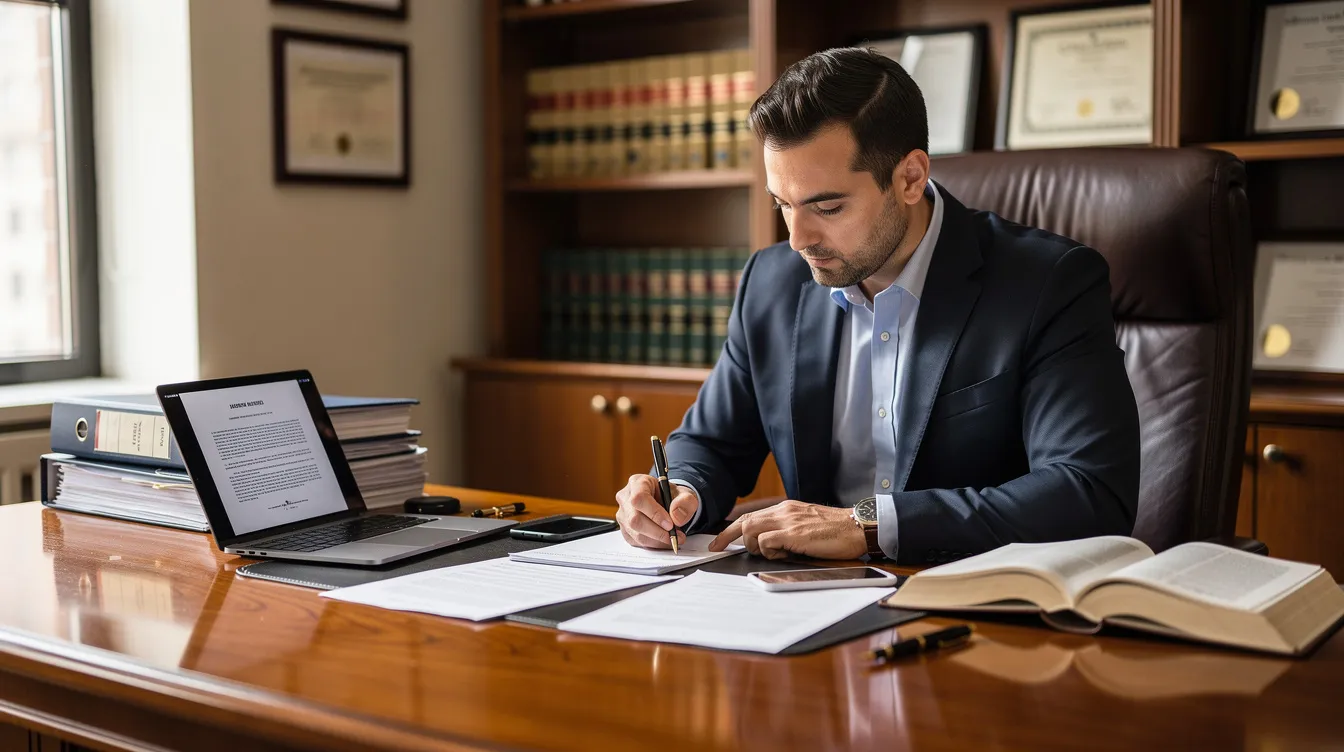
Not every minor crash leads to legal action. However, many people speak with an experienced personal injury attorney when injuries, disputed fault, or insurance issues arise.
Legal guidance may be helpful when there are:
- Serious injuries, hospitalization, or long-term treatment.
- Time missed from work or significant lost wages.
- A hit-and-run driver, uninsured driver, or underinsured driver.
- Multi-vehicle crashes with multiple liable parties.
- Crashes involving commercial vehicles.
- Disputes about who caused the accident.
- Questions about deadlines for personal injury claims.
An independent attorney can explain deadlines, possible claim elements, and state-specific rules without promising a result. Los Defensores helps connect Spanish-speaking individuals in the U.S. with independent personal injury attorneys who handle accidents such as accidentes automovilísticos, accidentes de trabajo, and lesiones personales. Consultations through the network are free and confidential; legal services are provided by independent attorneys.
Frequently Asked Questions About What to Do After a Car Accident
In many situations, yes. Your insurance policy may require prompt notice. A police or DMV report may also be required if property damage exceeds a state threshold or if anyone is injured.
As soon as you reasonably can. Adrenaline may hide pain, and injuries such as whiplash, concussion, or internal bleeding may appear later. Medical records can also support the timeline of your care.
Prioritize safety, call the police, and write down anything you remember: license plate, vehicle color, direction of travel, and driver description. Look for witnesses or nearby cameras if it is safe.
Deadlines depend on state law. For example, California generally has a two-year statute of limitations for many personal injury cases, but exceptions may apply. An attorney can explain the deadline for your location.
If you prefer Spanish or have questions after a car accident, Los Defensores can help connect you with an independent attorney for a free consultation. Los Defensores does not provide legal representation.
Conclusion: Protecting Your Health and Legal Options After a Car Accident
The following steps can help after a car accident: stop immediately, prioritize safety, call the police, seek medical attention, exchange information, document the accident scene, notify your insurance company promptly, and keep records throughout the claims process.
Organized action can help protect your health and preserve evidence, though no outcome is guaranteed. Spanish-speaking drivers and families in the U.S. can contact Los Defensores to be connected with an independent attorney for a free consultation in Spanish.
Los Defensores is a legal advertising service. Participating attorneys pay to be included in the network, and any legal services are provided by independent attorneys. Save emergency numbers, keep a checklist in your vehicle, and reach out for legal guidance if you feel unsure about your rights after an accident.