



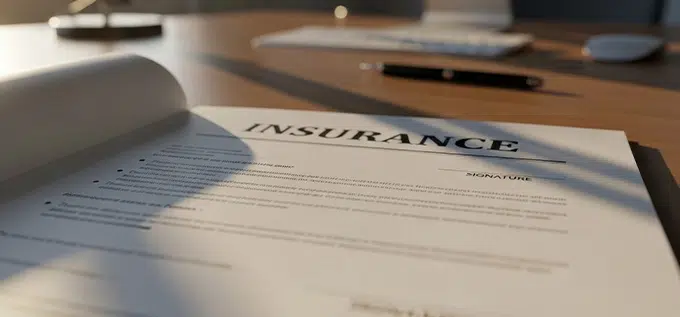

Introduction to Liability Car Insurance
Liability car insurance is a type of auto coverage that may help pay for injuries and property damage others suffer when a driver is legally responsible for an accident. Most states require drivers to carry liability insurance to legally operate a vehicle, with specific minimum coverage limits set for bodily injury and property damage liability. As of 2026, states including California and Texas mandate at least minimum liability coverage to drive legally.
Liability insurance usually does not pay for the policyholder’s own medical care or car repairs. Instead, it applies to harm caused to other people. Liability insurance protects individuals and businesses from financial losses when they are held legally responsible for injuries, property damage, or negligence affecting third parties.
Consider a rear-end collision in Los Angeles in 2026: the at-fault driver’s liability policy may help pay the other driver’s hospital visit and bumper repair, up to the policy limits.
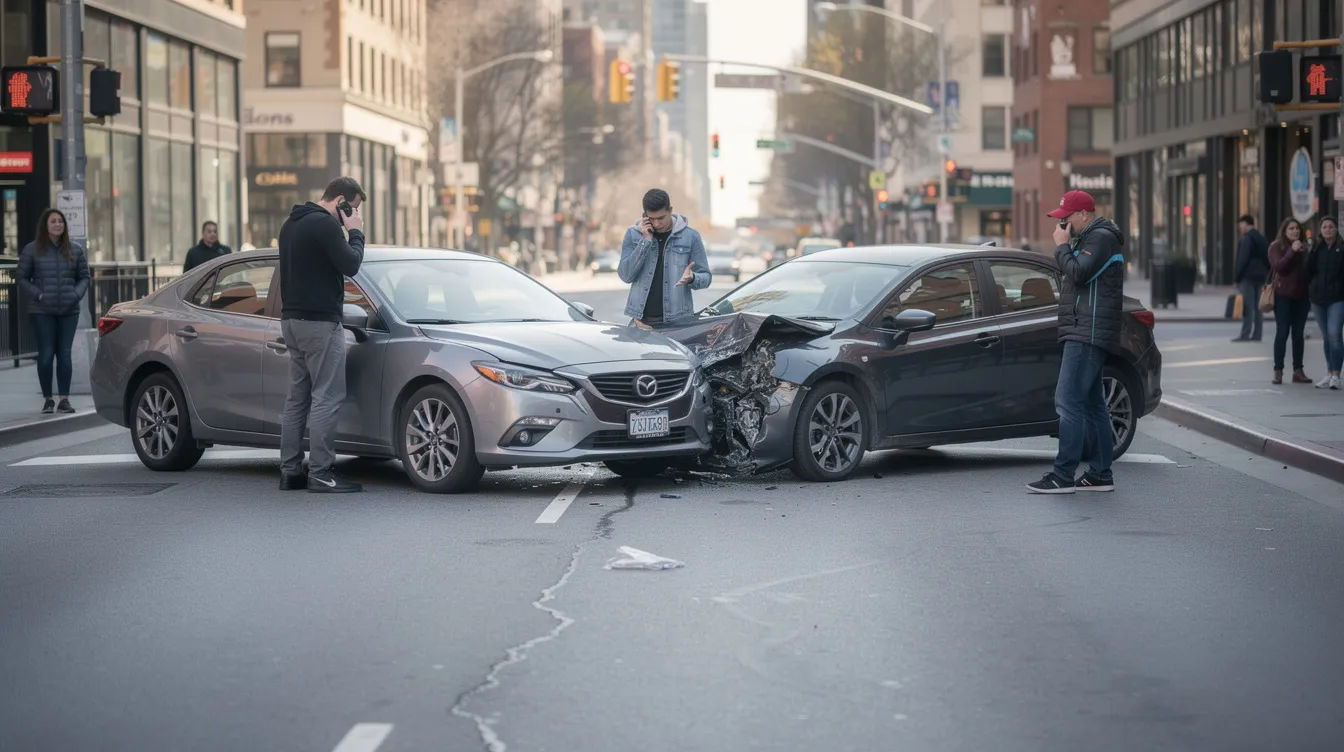
Los Defensores is a legal advertising service that helps connect Spanish-speaking accident victims with independent personal injury and employment law attorneys for a free consultation. Legal services are provided by independent attorneys—Los Defensores is not a law firm. People injured in car accidents, motorcycle crashes, workplace incidents, or dog bites may be dealing with an at-fault party’s liability insurer when they explore a personal injury claim.
What Is Liability Car Insurance?
Auto liability insurance is coverage that may pay for bodily injury and property damage to others when the insured driver is legally responsible for a crash. Auto liability is mandated by most states for drivers to pay for damage caused in a car accident.
- Required in nearly every state: Each state has different minimum coverage requirements for liability insurance, which can vary significantly, making it essential for drivers to check their state’s specific laws. California, for example, has minimums that changed in 2025-2026.
- Separate from other coverages: Liability insurance is one part of an auto insurance policy, separate from collision coverage, comprehensive, medical payments (MedPay), or personal injury protection.
- Everyday situations apply: Liability coverage can apply in many scenarios—a stop-sign crash, backing into another vehicle, or hitting a parked car and a nearby fence.
- Consequences for no coverage: If a driver does not have the required liability insurance, they may face fines, license suspension, and legal consequences, and they would be personally responsible for any damages caused in an accident.
- Injured parties and claims: Injured people may deal with the at-fault driver’s liability insurer if they pursue a bodily injury claim after an auto accident.
What Does Liability Insurance Cover?
Liability insurance comes in two primary forms: bodily injury liability coverage and property damage liability coverage. Both apply when the insured driver is found at fault in an accident.
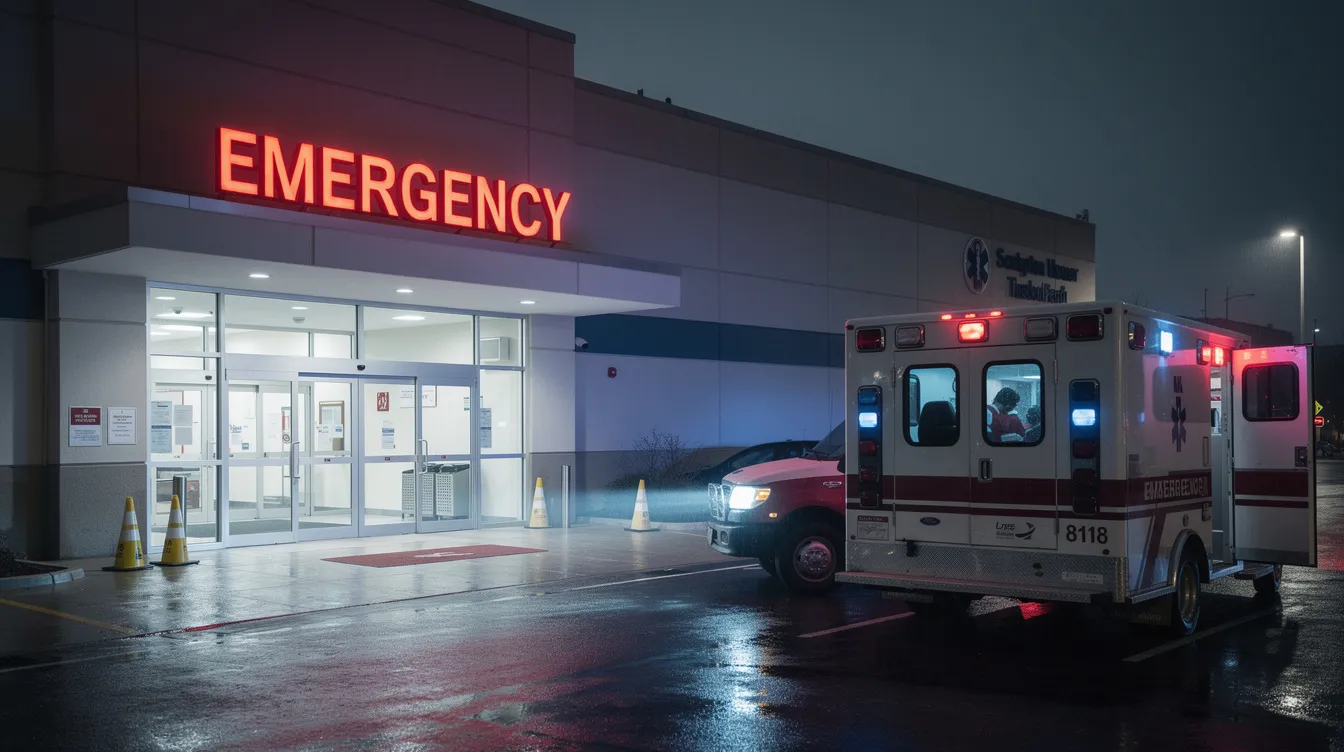
- Bodily injury liability: Bodily injury liability coverage helps pay for an injured person’s medical expenses if you’re found at fault in an accident, including emergency care and lost wages. It may also cover ambulance transport, hospital stays, follow-up visits, rehabilitation, and certain legal costs.
- Property damage liability: Property damage liability coverage helps pay for repairs if you’re at fault for damaging someone else’s vehicle or property, such as a home or mailbox. This includes the other driver’s vehicle, residential structures, fences, and city-owned light poles.
- Legal defense included: Liability insurance typically covers legal defense fees, court costs, and settlements or judgments up to the policy’s limits. Liability car insurance helps cover medical and legal fees if you’re held legally responsible for someone else’s injury or damage to someone else’s property.
- Policy limits apply: Liability coverage applies only up to the policy’s dollar limits; any amount above those limits may become the driver’s personal responsibility.
Injured people may consider speaking with a personal injury attorney—through services like Los Defensores—to understand how liability coverage might apply to their accident claim.
Bodily Injury Liability Coverage
Bodily injury liability (often labeled BI on a policy) is the part of liability insurance that may help pay for injuries to other people involved in a crash, such as drivers, passengers, bicyclists, or pedestrians.
- Typical expenses covered: Emergency room visits, X-rays and imaging, surgery, pain medication, physical therapy, and sometimes non-medical harm such as lost wages and certain forms of pain and suffering, depending on state law.
- Concrete scenario: In a 2026 rear-end collision on the I-10 in Los Angeles, an at-fault driver’s bodily injury liability coverage may help pay another driver’s whiplash treatment and a few weeks of missed work, subject to the bodily injury liability limit.
- State requirements vary: Many states, including California and Nevada, require BI liability coverage, but exact amounts differ. Drivers should check their own state’s current minimums.
- Attorney negotiations: An injured person’s attorney may negotiate with the at-fault driver’s BI insurer. Los Defensores can help connect accident victims with independent attorneys who handle these negotiations.
Property Damage Liability Coverage
Property damage liability (often abbreviated PD) is coverage that may pay for physical damage the insured driver causes to someone else’s property in a crash.
- Property types covered: Other vehicles, residential garages, storefront windows, street signs, mailboxes, and yard structures like block walls or iron gates.
- Specific example: In a 2026 parking-lot accident at a supermarket in Houston, property damage liability coverage may help pay to repair a parked SUV and a damaged metal light post.
- Only covers else’s property: PD coverage typically only applies to other people’s property. Damage to the insured’s own car is usually handled under collision coverage or another coverage type.
- Property damage liability limit concerns: State minimum property damage limits (for instance, $10,000 or $15,000 in some states) may be quickly exceeded when multiple vehicles or high-value property are damaged, leaving potential out-of-pocket exposure.
Liability Auto Coverage Limits and How They Work
Liability coverage limits are the maximum amount an insurer may pay for a covered accident. Anything above those limits can become the policyholder’s responsibility.
- Split limits format: Liability coverage limits are typically represented as three numbers, indicating the maximum amount your insurance will pay for bodily injury and property damage claims. For example, 25/50/25 means $25,000 bodily injury per person limit, $50,000 bodily injury per accident limit, and $25,000 property damage per accident.
- Practical illustration: With a 50/100/50 policy after a multi-car crash, payments might be allocated among several injured people and multiple vehicles until the limits are reached.
- Combined single limit option: Some insurers package bodily injury and property damage into a combined single limit, where one larger number (for example, $300,000) can be used for both bodily injury and property damage in a single accident.
- Beyond state minimums: Selecting appropriate liability coverage limits is essential to ensure you have enough protection to safeguard your financial well-being in the event of a significant accident. Personal umbrella insurance provides an additional layer of protection when the limits of your homeowners or auto policy are exhausted.
What Liability Insurance Does Not Cover
Liability auto insurance has clear limitations that drivers should understand.
- Own injuries excluded: Liability insurance does not cover your own medical expenses or vehicle repairs if you are at fault in an accident. Other coverages like MedPay, personal injury protection, or health insurance may address those costs.
- Own car not covered: Liability coverage typically does not pay to repair or replace the policyholder’s own car. That is usually handled under collision coverage or comprehensive coverage if purchased. Liability insurance does not provide coverage for damages to your own property or injuries you sustain in an accident.
- Non-collision events excluded: Theft, vandalism, storms, or other non-collision events affecting the insured’s vehicle require comprehensive coverage.
- Policy exclusions: Intentional harm, racing, or business use outside the policy’s terms may be excluded. Policyholders should review their specific contract language.
- Workplace and employment matters: Employment disputes, workplace injuries, or immigration matters are not handled under auto liability policies. Separate liability or workers’ compensation policies and employment law claims may apply instead.
How Much Liability Coverage Do You Need?
Every driver has to at least meet their state’s minimum liability coverage limits, but those minimums may not be enough coverage after a serious crash involving surgery or multiple vehicles.
- Consider your assets: Think about your income, savings, home equity, and other property when deciding how much coverage to purchase beyond the minimum.
- Numeric example: A state minimum 25/50/25 policy might not fully cover a multi-vehicle collision causing $60,000 in medical bills and $40,000 in property damage, leaving thousands potentially unpaid. You would be personally responsible for paying those excess costs.
- Busy freeways: Families who frequently drive on busy freeways, such as I-5 in California or I-95 on the East Coast, may want to discuss higher limits with their insurance representative or broker.
- Beyond minimums: When choosing liability coverage limits, it’s important to look beyond just the state minimum requirements, as any expenses that exceed your limits will need to be paid out of pocket. This provides more financial protection and serves as a financial safety net.
Liability-Only Car Insurance vs. Fuller Coverage
Liability-only is a car insurance policy that meets state liability requirements but does not include collision or comprehensive coverage for the insured vehicle.
- Common for older vehicles: Liability-only may be common for older, paid-off vehicles where the replacement cost is relatively low compared with the premium savings.
- Financed car requirements: Most lenders require leased or financed car owners to carry collision coverage and comprehensive coverage, not just liability.
- Out-of-pocket risk: If you have liability-only coverage and are involved in an accident, you will be responsible for paying your own costs out of pocket. This includes repairs to your own car if you’re at fault.
- Consider your situation: Drivers who commute long distances, drive in heavy traffic, or have newer vehicles may want to explore broader auto coverage options with their insurance provider.
How Liability Insurance Connects to Personal Injury and Workplace Claims
Liability coverage connects directly to the kinds of cases Los Defensores’ audience often faces.
- Auto accidents: After auto accidents such as rear-end collisions, motorcycle crashes, or pedestrian accidents, an injured party’s claim is often paid (if valid) by the at-fault party’s liability insurer, up to policy limits.
- Dog bites: Homeowners/renters liability protects against claims of bodily injury or property damage to guests while at your home. In dog bite cases, liability coverage may come from a homeowner’s or renter’s policy rather than an auto policy.
- Workplace injuries: Workers’ compensation is often legally required and covers employees’ medical costs and lost wages from work-related illnesses or injuries. A third-party liability claim may still exist if another driver or company contributed to the harm.
- Employment law issues: Employment practices liability (EPLI) protects against claims from employees regarding discrimination, harassment, or wrongful termination. These issues involve different legal standards than auto coverage.
- Business contexts: General liability covers third-party bodily injury, property damage, and personal/advertising injury, such as libel and slander. Commercial general liability (CGL) is designed to cover everyday accidents like customer slip-and-falls and damage to a client’s property. Professional liability insurance protects businesses that provide services or advice from claims of negligence, errors, or failure to perform. Cyber liability helps cover costs related to data breaches, system hacks, or the theft of sensitive client information.
Injured people who experienced whiplash, fractures, or other injuries in 2024–2026 accidents or workplace incidents may benefit from speaking with an attorney in Spanish.
What to Do After an Accident Involving Liability Insurance
- Prioritize safety and medical care: Call 911 for serious injuries and accept evaluation at the scene or at an emergency room if needed.
- Call the police: In jurisdictions where a report is required, request a copy of the collision or incident report later—it may be important for insurance claims.
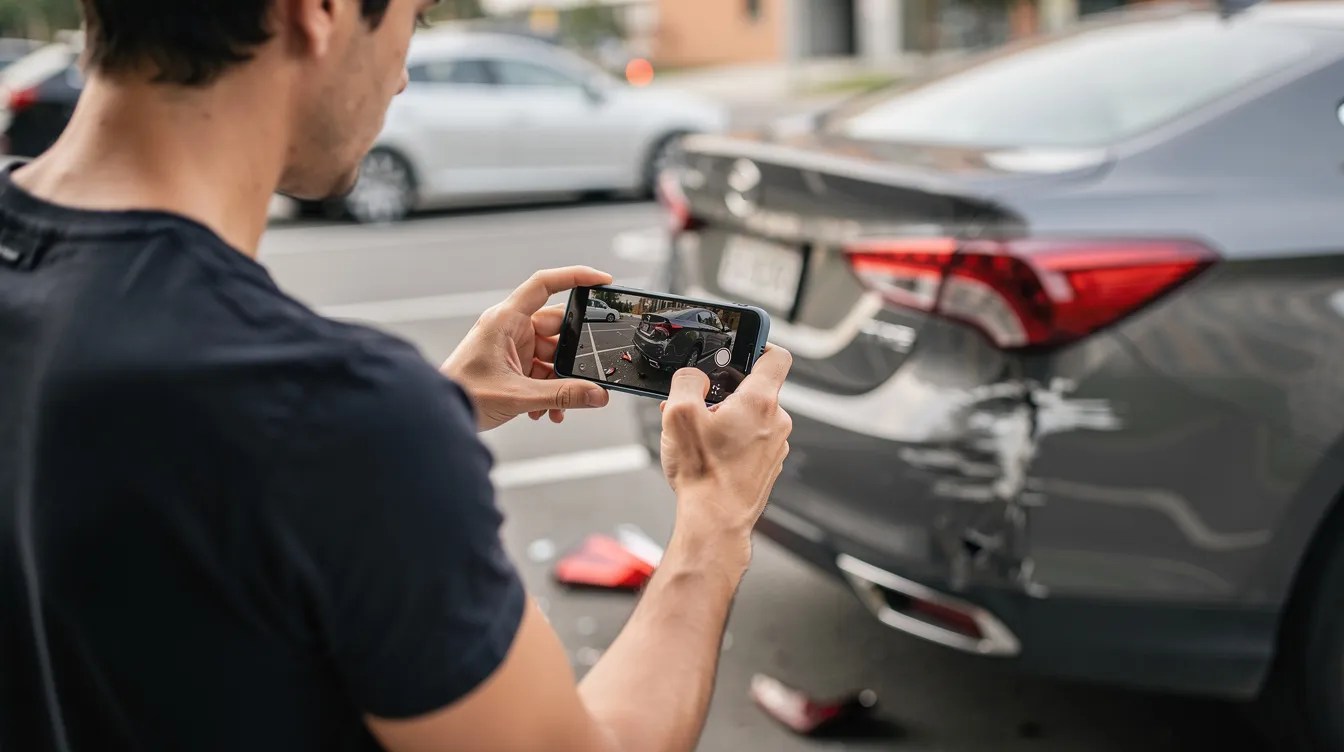
- Gather evidence: When safe, take photos of vehicle damage, license plates, skid marks, traffic signals, and visible injuries. Collect contact information for witnesses.
- Exchange insurance information: Get the other driver’s insurer name, policy number, and driver’s license details without arguing about fault at the scene.
- Protect your rights: Avoid signing documents or giving recorded statements to any insurance company before understanding your rights. Consider speaking with a personal injury attorney first.
- Contact Los Defensores: Los Defensores can help connect Spanish-speaking accident victims with independent personal injury attorneys for a free, confidential consultation about liability insurance and possible claims.
Working with Insurance Companies and Attorneys
The typical auto liability claim process includes several steps:
- Notice of loss: The policyholder or injured party notifies the insurer about the accident.
- Investigation: Insurers review police reports, witness statements, photos, and medical documentation when deciding whether to accept or dispute liability.
- Medical record review: Documentation of medical bills, medical costs, and treatment is gathered.
- Negotiation: Personal injury attorneys often gather records, calculate categories of damages allowed by law (including lost wages and legal fees), and communicate with the liability adjuster on the client’s behalf.
Los Defensores does not provide legal representation. It is a legal advertising service that helps connect callers and online visitors with independent attorneys in its network. Keep a written timeline of accident dates, medical appointments, and communications with insurers—this can help a lawyer understand how liability coverage might apply.
When to Contact an Attorney After an Accident
Speaking with a lawyer about liability coverage may be especially important in these situations:
- Serious injuries: Fractures, head trauma, surgery, or long-lasting back and neck pain can generate medical bills and lost income that quickly approach or exceed typical liability limits.
- Disputes and complications: Disputes over fault in an accident, multiple vehicles involved, uninsured or underinsured other driver situations, hit-and-run crashes, or pedestrians and cyclists struck in crosswalks.
- Workers driving for their job: Delivery drivers or construction workers traveling between job sites may have both workers’ compensation and auto liability issues to address.
- Employment-related injuries: Retaliation after reporting unsafe conditions may require both employment law advice and understanding of applicable liability policies.
Los Defensores offers a way for Spanish-speaking individuals in the U.S. to connect with independent attorneys for a free consultation in Spanish about auto accidents, workplace injuries, and employment rights.
Liability Insurance FAQs for Spanish-Speaking Accident Victims
Policies often apply to the insured vehicle, but rules vary by insurer and state. Business liability car insurance and personal liability car insurance may have different provisions. Check with your insurance provider.
Practices differ by state. In California’s fault system, you may file directly with the at-fault driver’s insurer. Other states have different structures. An attorney can clarify your options.
If the other driver’s liability coverage limits are insufficient, uninsured/underinsured motorist coverage (if you have it) may help cover the gap for your own injuries.
Your auto insurance policy may or may not extend to a rental vehicle. Some drivers need additional coverage or may rely on credit card benefits. Confirm with your insurer or rental company.
In many states, injury victims can pursue claims regardless of immigration status. Attorneys in the Los Defensores network offer free consultations without requiring proof of citizenship.
How Los Defensores Helps Connect You with Legal Help
Los Defensores is a national legal advertising service that helps connect Spanish-speaking individuals in the U.S. with independent attorneys who handle personal injury, auto accident, workplace injury, and employment law matters.
If you were injured in a car accident, motorcycle crash, truck accident, dog bite, or workplace incident, you may have questions about insurance coverage, liability, and your legal options. Los Defensores can help connect you with an attorney in its network for a free, confidential consultation in Spanish.
Call Los Defensores or complete the online form to get started. A representative can review your information and help connect you with an independent attorney who may be able to evaluate your situation.
This article provides general educational information and does not constitute legal advice for any specific situation. This content does not constitute legal advice and should not be relied upon as a substitute for consultation with a qualified attorney.