



After a car accident, workplace incident, slip and fall, or dog bite in the U.S., the strength of a personal injury claim depends largely on the evidence the injured party can present. To support your case—especially if your injury was caused by someone else’s negligence—it is essential to gather evidence that clearly demonstrates what happened. Whether you are dealing with insurance companies or preparing for a potential personal injury lawsuit, what you can document matters more than what you can simply describe.
Evidence is needed to show three things: what happened (establishing fault), how it caused the injuries sustained (causation), and the real-life impact on health and finances (damages). Without strong evidence supporting each of these elements, even legitimate claims can face delays, disputes, or reduced offers.
Important evidence usually includes medical records and bills, photos and videos from the accident scene, police or incident reports, witness information, employment records and wage documentation, and personal notes about pain and recovery. Acting in the first days and weeks after an incident—for example, seeking medical care within 24–48 hours and requesting a police report within the first week—can help preserve critical evidence before it fades or disappears. Gathering evidence promptly is crucial to establishing liability, particularly in cases involving someone else’s negligence.
Los Defensores is a legal advertising service that helps connect Spanish-speaking consumers with independent personal injury attorneys in the U.S. Legal services are provided only by those independent attorneys. If you have questions about the evidence you already have, you can request a free consultation (“Consulta Gratis”) to discuss your situation with an attorney in the network.
Why Evidence Matters in a Personal Injury Claim
Courts and insurance companies rely on evidence, not assumptions, when deciding whether to pay a claim and for how much. The injured party carries the “burden of proof” and must demonstrate that it is more likely than not—a standard called “preponderance of the evidence”—that someone else’s negligence caused the injury. To secure compensation, you must prove the other party’s negligence and the extent of your damages.
Evidence serves to establish negligence and the value of damages in personal injury cases. A successful claim typically requires proof of four elements:
- Duty of care – The other party had a responsibility (e.g., a driver must obey traffic signals)
- Breach – They failed that duty (e.g., running a red light on March 5, 2026)
- Causation – The breach directly caused your physical injuries
- Damages – You suffered measurable losses (medical bills, lost wages, pain)
Gathering strong evidence is essential to prove negligence and support your right to secure compensation for your losses.
A 2021 study by the National Institutes of Health found that over 70% of personal injury verdicts are influenced most strongly by medical documentation. Since most personal injury cases in the U.S. end in settlement rather than trial, well-organized compelling evidence often leads to faster, smoother negotiations.
Weak or incomplete evidence can result in disputes over fault, arguments that injuries were preexisting, or offers that do not reflect the full impact of the accident. To build a strong personal injury claim, you need evidence that proves negligence and damages in order to secure compensation. An independent attorney can review existing evidence, explain what is missing, and suggest next steps to strengthen the claim.
Main Types of Evidence in Personal Injury Cases
Many types of evidence work together to support a claim. Not every case has all types, but collecting what is reasonably available helps establish a clearer picture of what happened.
The key types of personal injury evidence include:
- Medical records and bills
- Accident and police reports
- Photos, videos, and physical evidence
- Witness statements and contact information
- Employment and wage records
- Personal documentation like pain journals
Different accidents may emphasize different kinds of evidence. A rear-end collision on the I-5 in California might prioritize police reports and vehicle photos, while a slip and fall in a Texas supermarket could focus on hazard photos and incident reports. A construction accident in Nevada might require OSHA records and supervisor statements.
Expert opinions from professionals, such as accident reconstruction experts or medical specialists, can provide in-depth analysis that supports a claim. Expert testimony and expert witnesses may become relevant in complex cases involving catastrophic injuries or disputed liability.
Gather documentation that includes police reports, medical records, photographs and videos, witness information, and proof of lost wages to support a personal injury claim. The sections below cover each category in more detail. Remember that creating or altering evidence can seriously harm a case—documentation should reflect what actually happened.
Medical Records and Bills

Medical documentation is foundational in proving injuries. It links the accident to specific diagnosed conditions and shows treatment costs. Medical records are often the most important form of evidence in a personal injury claim, documenting the nature and extent of injuries, treatments received, and ongoing care needs.
Specific types of medical evidence include:
- Emergency room records from the day of the accident
- Urgent care or clinic notes from the first 24–72 hours
- Imaging results (X-rays, MRIs, CT scans)
- Specialist reports from orthopedic doctors, neurologists, or other medical professionals
- Physical therapy records tracking progress
- Prescription lists and pharmacy records
Records should show visit dates (for example, initial visit on April 10, 2026, follow-up on April 24, 2026), diagnoses (like whiplash, lumbar strain, or concussion), and professional opinions about whether injuries are consistent with the described accident.
Obtain itemized medical bills listing each service, test, and medication with corresponding charges. These documents help quantify economic damages. For future care needs, ongoing treatment plans can also be documented.
Gathering prior medical records from the past 3–10 years can show the difference between pre-accident health and post-accident limitations, especially if the defense argues injuries were preexisting. Gaps in treatment can raise questions, but an attorney may help explain valid reasons for missed appointments, such as transportation or financial barriers.
Los Defensores does not collect medical records directly, but attorneys in the network may, with the client’s permission, request records from hospitals, clinics, and pharmacies.
Accident, Police, and Incident Reports
Official reports created shortly after an event capture important details while memories are fresh and provide neutral documentation. When police respond to an accident, their official report may contain key observations, statements from involved parties, and potentially a preliminary assignment of fault, making it a valuable third-party account.
A police report from a car crash might contain:
- Date and time of the collision
- Location (such as an intersection in Los Angeles on March 12, 2026)
- Involved vehicles and drivers
- Witness statements recorded by the police officer
- Diagrams showing vehicle positions
- Citations issued
- Weather conditions noted at the scene
A police report can provide crucial details such as a diagram of the accident scene, positions of involved vehicles, and conditions at the time of the incident, which can be instrumental in establishing liability. Obtaining a copy of the police report after an accident is essential, as it serves as an unbiased account of the incident.
For workplace or store accidents, property owners or supervisors may complete incident reports describing how a fall occurred, what was on the floor, and whether warning signs were present.
Request copies from the city police department, state highway patrol website, or a store’s risk management department. While these reports might include opinions about fault, they are not final decisions—they are pieces of evidence that insurers and courts consider alongside other proof.
If no official report exists (for example, a minor dog bite at a neighbor’s house), write down details as soon as possible: date, time, address, description of the animal, owner’s name, and what happened. An independent attorney can review the report and suggest if additional evidence like traffic camera footage or OSHA records would help.
Photos, Videos, and Physical Evidence
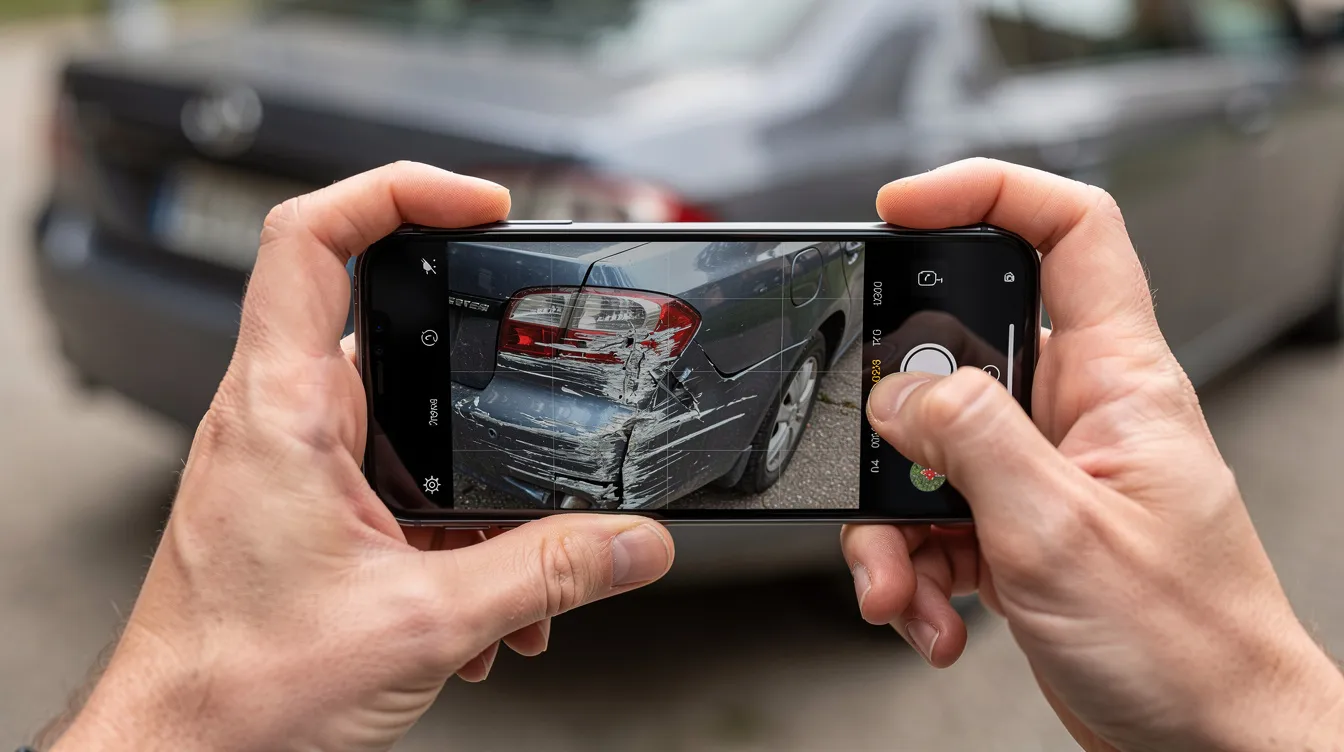
Visual evidence, such as photographs and videos from the accident scene, can provide a clear representation of what occurred and is often more persuasive than testimony alone. These materials make abstract descriptions concrete for insurance adjusters and, if needed, a jury.
Specific photo and video examples include:
- Vehicle damage from multiple angles, including skid marks on the road
- Close-ups showing airbag deployment
- Spilled liquid on a grocery store floor or missing handrails on stairs
- Visible bruising, cuts, or other injuries
- Surveillance footage from store security cameras
- Dashcam or cellphone video capturing the sequence of events
Photos should show different angles, distances, and lighting. Time-stamps help establish when images were taken. Videos from cellphones or security cameras can show how an accident unfolded.
Physical evidence from the scene, including items like damaged property or environmental conditions, can help establish liability and causation. When practical, preserve physical objects such as broken eyeglasses, torn clothing, damaged motorcycle helmets, or defective products that caused injury.
Large or immovable items—like a broken step or damaged guardrail—should be documented with photos or video, including measurements or nearby landmarks to show scale.
Be aware that surveillance footage or traffic camera recordings are often kept for only 30–60 days before being deleted. An experienced personal injury lawyer may send a spoliation letter requesting that footage be preserved.
For common accidents in the Hispanic community, this might include photos from a rideshare collision showing app GPS data, or images of unsafe conditions at a warehouse job.
Witness Statements and Contact Information
Independent witnesses can strengthen a personal injury claim through their accounts of the incident. Neutral observers—people who saw or heard the event but are not family members—add credibility by confirming how the accident happened.
When safe, the injured person or a companion can collect witness names, cell phone numbers, and emails at the scene of a crash or fall. Eyewitness accounts help validate your version of events and can corroborate how an accident happened and who was responsible.
Brief, early statements carry significant value. This might be a handwritten note or a voice recording on the witness’s phone describing what they observed (for example, “The blue SUV ran the red light and hit the white sedan”). Witness statements can enhance credibility by providing unbiased perspectives.
Gathering witness statements promptly is crucial, as memories can fade over time, making it important to record contact information and obtain written or recorded statements early. Eyewitness statements and witness testimony can provide context and consistency that physical evidence alone may not cover.
Witnesses may include bystanders, passengers, store employees, coworkers, or neighbors who saw a dog running loose or a dangerous condition on property. If no independent witnesses are available, the injured person’s own consistent statements, medical descriptions, and physical evidence become especially important.
Avoid coaching or pressuring witnesses—recorded statements should reflect each person’s own memory.
Financial, Employment, and Daily-Life Documentation
Personal injury claims often include not only medical costs but also lost income and other out-of-pocket expenses. Documenting economic losses, such as medical bills, lost wages, and other expenses, is essential for proving damages.
Employment evidence to gather:
| Document Type | What It Shows |
|---|---|
| Pay stubs (last 3 months) | Regular earnings before injury |
| Employer letter | Job title, hourly rate, days missed |
| W-2s or tax returns | Annual income history |
| 1099s (self-employed) | Contractor or gig worker income |
| Bank statements | Rideshare or freelance deposits |
Self-employed workers—contractors, cleaners, or rideshare drivers—may use invoices, bank statements, and tax records to show typical income before the injury. Documenting financial losses, such as lost wages and incident-related expenses, is necessary to pursue compensation.
Other economic evidence includes receipts for medications, medical devices (braces, crutches), transportation to appointments, home modifications, and childcare costs due to reduced mobility. Vocational experts may later analyze how injuries affect earning capacity.
Keeping a diary or journal detailing your symptoms, limitations, and emotional struggles can illustrate the human impact of your injury and support claims for pain and suffering. Note pain levels (scale of 1–10), sleep problems, missed family events, or activities you can no longer do—like playing soccer on weekends or working night shifts. This personal documentation should be factual and specific, not exaggerated, as it supports claims for emotional distress and reduced quality of life.
An independent attorney may organize these records into timelines or charts to show how the injury affected work hours, earnings, and daily routines. This documentation can support a demand letter or negotiations.
Preserving and Organizing Evidence After an Accident
Collecting evidence is only the first step. Preserving evidence and organizing it over time is equally important, especially when the claim process extends over many months.
Practical tips for preserving evidence:
- Keep all documents in a dedicated folder or digital drive
- Label photos with dates and short descriptions
- Back up files on a second device or cloud storage
- Collect evidence promptly to prevent loss or deterioration of important information
Time limits (statutes of limitations) apply in every state. Some states allow two years from the date of injury to file a personal injury lawsuit, so waiting too long to speak with a lawyer may limit options. Acting as soon as possible helps protect your ability to pursue a claim.
Avoid throwing away damaged property, deleting messages related to the accident, or posting details about the case on social media—posts can be used by the other side to dispute your injuries or activities.
If you receive letters, emails, or calls from insurance companies, keep copies or notes of conversations with dates and full names. An independent attorney may help develop an evidence strategy, identifying which records to request first and whether any experts might be needed.
How Los Defensores Helps You Connect With an Attorney
If you are a Spanish-speaking person in the U.S. feeling overwhelmed after an accident and unsure which crucial evidence matters, you are not alone. Many people have questions about what documentation can help support their injury claim.
Los Defensores is a legal advertising service, not a law firm. Its role is to help connect people with independent personal injury attorneys who can review evidence and advise on next steps. Legal services—including evaluating the strength of evidence, handling negotiations, and pursuing legal action—are provided only by those independent attorneys.
Consider gathering what you already have:
- Hospital discharge papers
- Photos from your phone
- Any claim numbers or correspondence
- Pay stubs showing missed work
Bring these materials to a free consultation to discuss with an attorney how your existing evidence fits into a potential claim. Consultations are available in Spanish, and immigration status does not change the need for more evidence after an injury.
Consulta Gratis Ahora – Taking this step can help you understand where you stand and what additional documentation might strengthen your case. Habla con un abogado hoy to discuss your situation.
This content was prepared with the assistance of AI technology and reviewed for accuracy. Results vary based on individual circumstances. This article provides general educational information and does not constitute legal advice for any specific situation. This content does not constitute legal advice and should not be relied upon as a substitute for consultation with a qualified attorney.