



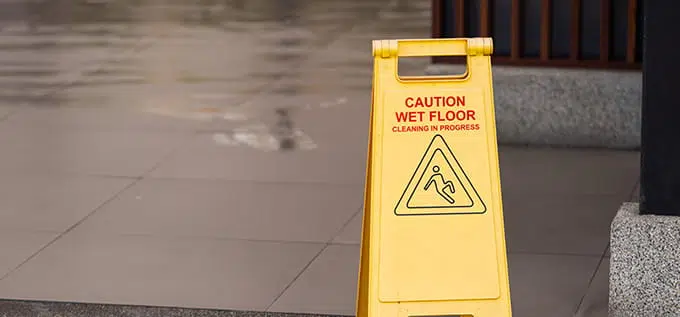

Wet floors, broken stairs, overcrowded spaces — bar and restaurant owners have a legal obligation to take reasonable steps to keep their premises safe for their customers.
This summer, millions of people are going to pack bars and restaurants to watch 2026 World Cup games. Big screens, packed rooms, tables pushed together, floors slippery from drinks spilled every time the team scores. It’s exactly the kind of atmosphere that makes watching soccer with other people so special.
But that same atmosphere — crowds, excitement, alcohol, and tight spaces — also creates real risk.
When a bar or restaurant fails to take reasonable precautions to protect its customers, and someone gets injured as a result, that person may have the right to file an injury claim and seek compensation, depending on the circumstances of the case.
This is known as premises liability, and this is known as premises liability, a common type of personal injury claim. Here’s what you should know to avoid an accident at a bar or restaurant — and what matters if that accident has already happened.
What Is Premises Liability?
Every business that opens its doors to the public has a legal obligation: to keep its premises reasonably safe for the people who visit.
This includes bars, restaurants, casinos, stadiums, malls, and any other commercial establishment.
When a business fails to meet that obligation — whether through negligence, carelessness, or simple indifference — and a customer is injured as a direct result, that business can be held legally responsible for the damages.
Premises liability doesn’t mean every accident inside a bar automatically leads to a valid claim. What the law requires is proof that the establishment knew, or should have known, about a reasonably foreseeable hazard and failed to fix it or warn its customers.
That’s the core of any case like this: the business’s negligence.
The Most Common Hazards During Games at Bars and Restaurants
Wet or Slippery Floors
During a big game, bars and restaurants handle a much higher volume of drinks than usual. Beers get spilled, ice falls on the floor, bathrooms get wet from constant use.
If the establishment doesn’t clean up these spills in a timely manner, or doesn’t place visible warning signs, it’s creating a dangerous condition that can lead to serious falls.
Slip-and-fall injuries caused by wet floors are among the most frequent causes of injuries in these types of establishments, especially during high-attendance events.
Overcrowding
Many bars, eager to capitalize on demand during a big game, allow more people in than their space can safely handle.
This leads to blocked aisles, obstructed emergency exits, pushing, chain-reaction falls, and difficulty getting anyone quick help in case of an emergency.
Maximum occupancy laws exist specifically to prevent these situations. When an establishment ignores them to maximize sales during a sporting event, and that decision leads to an injury, the business can be held responsible for the consequences.
Broken Stairs, Railings, and Structural Issues
Broken steps, loose railings, poor lighting in walkways, uneven flooring — any structural defect the establishment knew about, or should have caught with a reasonable inspection, and failed to fix in time can become the direct cause of a serious fall.
These hazards tend to get worse in spaces packed with people moving around at the same time, as happens when a bar fills up for a deciding match.
Dram Shop Cases: Over-Serving Alcohol and Intoxication
In some cases, a bar or restaurant may face liability if it serves alcohol to a person who is already visibly intoxicated and that intoxication contributes to causing harm to someone else. This can happen, for example, if the customer starts a fight, causes an injury inside the establishment, or leaves and causes a crash by driving under the influence.
This type of liability is generally analyzed under what are known as dram shop laws, which regulate when an establishment that sells alcohol can be held responsible for damages caused by an intoxicated person.
However, these laws vary significantly by state. In Texas, for example, a bar or restaurant can face liability if it serves alcohol to a person who is obviously intoxicated to the point of being a clear danger to themselves or others, and that intoxication is a direct cause of the damages. In California, civil liability for bars and restaurants is much more limited and generally applies when the establishment sells alcohol to a person under 21 who was obviously intoxicated.
That’s why, if an injury or accident involves alcohol, it’s important to review the laws of the state where the incident occurred and the specific facts of the case.
Inadequate Security
In environments where alcohol and the excitement of sports combine, tensions can escalate quickly — especially when fans of rival teams are in the same space.
If a bar or restaurant doesn’t have adequate security staff to handle these situations, and a customer is injured in a fight or altercation that could have been prevented, the establishment may be held responsible for failing to take reasonable security measures.
What to Do If You’re Injured at a Bar or Restaurant
If you’re hurt at a commercial establishment while watching a game, there are important steps that can protect both your health and your legal rights:
Seek Medical Attention Immediately
Health always comes first, and a timely medical record also serves as clear evidence that the injury occurred and how serious it was. Medical bills can add up quickly after a serious injury.
Report the Incident to the Establishment
Ask to speak with a manager or supervisor and make sure the incident is documented in writing. Request a copy of that report if possible, and ask that any internal records related to the incident be preserved.
Take Photos of the Scene
The wet floor, the broken stairway, the overcrowded room — any visual evidence of the hazard that caused your injury is valuable, and conditions at the scene tend to change or get fixed quickly after an accident.
Get Witness Information
People who were nearby when the accident happened can provide important testimony later. Get their names and contact information if you can.
Keep All Related Documentation
Receipts from the establishment, medical records, test results, footage, internal reports, messages from the business, and any communication with the establishment or its insurance company can all be useful as evidence.
Don’t Give Detailed Statements to the Establishment’s Insurance Without Legal Guidance
Insurance companies often contact victims quickly after an accident, sometimes with the intent of getting statements that are later used to minimize the claim.
An early investigation also helps determine the potential liability of the bar or restaurant in accidents caused by drunk drivers, using evidence like footage, receipts, and internal records.
Before signing anything or accepting an initial offer, it’s worth talking to an attorney first.
Why Acting Quickly Matters
Every state has a legal deadline — known as the statute of limitations — within which a person can file a personal injury claim.
If that deadline passes, the right to seek compensation is lost, no matter how valid the case may have been.
On top of that, evidence of negligence in these cases can disappear fast. The slippery floor gets mopped. The broken stairway gets fixed. Security cameras often overwrite their footage after a set period. The sooner the incident is documented and legal guidance is sought, the better the chances of preserving the evidence needed to support a solid claim.
What You Could Recover in a Case Like This
People who are injured due to negligence at a commercial establishment may have the right to compensation for several types of damages, depending on the specific circumstances of the case:
Current and future medical expenses related to the injury. Lost income if the person was unable to work during recovery. Physical and emotional pain and suffering caused by the accident. In exceptional cases, if the establishment’s conduct was especially egregious, additional damages may also be considered depending on state law.
Every case is different, and the value of a claim also depends on how the injury impacts the person’s daily life — how it affects their work, mobility, or routine — as well as the severity of the injury, the degree of negligence demonstrated, the supporting evidence and internal reports, and the specific laws of the state where the incident occurred.
Enjoy the Game, but Know Your Rights
Watching your favorite team play at a bar or restaurant should be nothing but excitement — not unnecessary risk.
Establishments that open their doors to welcome crowds of fans have a legal responsibility to make sure that festive atmosphere doesn’t become a hazard for their customers.
If you or someone in your family — including a child — is injured at a bar or restaurant during a sporting event, no one should have to face those consequences alone. These things can happen to anyone.
There are laws specifically designed to protect customers in these circumstances, and attorneys who handle these types of cases can help you understand whether you have a valid claim and the best path toward fair compensation — while at home, you’re also dealing with the physical, emotional, and financial impact.
An initial consultation with a personal injury attorney is free, and it can be the first step toward understanding exactly what options you have available and what to review to determine whether your claim has merit. Los Defensores may be able to connect you with an attorney for a free consultation.
Los Defensores is not a law firm and does not provide legal representation. Los Defensores may try to connect you with an independent attorney in its network. This article is for informational purposes only and does not constitute legal advice. Consult with an attorney licensed in your state for guidance about your specific situation.