



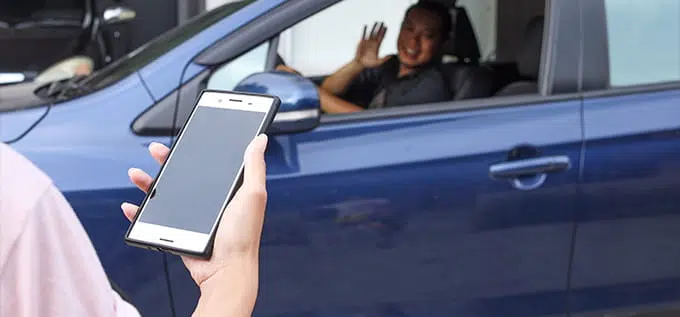

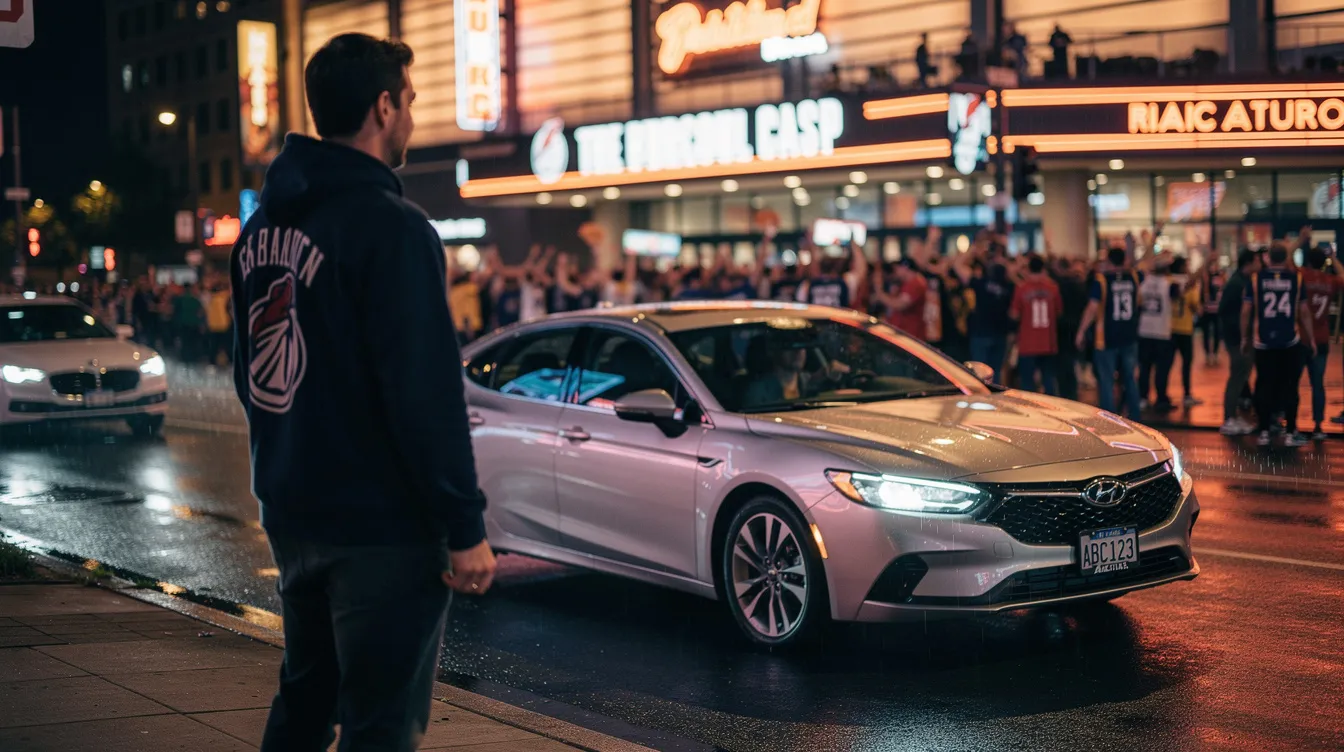
Imagine leaving a packed stadium after a major NFL playoff game, a sold-out concert at SoFi Stadium in Los Angeles, or a UFC fight night in Las Vegas. The crowd spills onto the sidewalks, traffic is gridlocked, and thousands of people are opening their rideshare apps at the same moment.
Ride sharing through platforms like Uber and Lyft has become one of the primary transportation options for getting to and from large events across the country, from the Super Bowl and Coachella to major fútbol matches in Houston and beyond. Rideshare services provide an alternative to driving under the influence during events and often eliminate parking hassles and the need to pay cash for taxis or lots.
The good news: most riders complete their trips without any incident and can usually travel safely, even though risks rise during large events. Rideshare services can be considered safe during large events, though higher vigilance is required. However, safety concerns do increase during big events because of dense crowds, alcohol use among attendees, heavier traffic, driver fatigue, and chaotic pickup zones.
This article focuses on passengers – not only rideshare drivers – and on passenger safety for people concerned about accidents, misconduct, or other risks when using a rideshare vehicle to or from a big event. Los Defensores is a legal advertising service that helps connect Spanish-speaking individuals in the U.S. with independent personal injury attorneys. This article is general information only and does not constitute legal advice.
Why Rideshare Safety Risks Increase During Big Events
Large events create a perfect storm of conditions that raise risk levels for everyone on the road. Here’s what makes event nights different:
- More inexperienced drivers on the road. High demand pulls in part-time and newer rideshare drivers who may have less experience driving at night, navigating heavy traffic, or managing difficult pickup zones near stadiums and arenas.
- Alcohol and impaired judgment. Many passengers leave events intoxicated, which can lead to aggressive behavior, distractions inside the car, or poor decision-making when choosing a ride. A study of ride-hailing and crash patterns in New York City found that higher rideshare trip volume correlates with increased injury crashes near trip origins and destinations – exactly the zones that get flooded after a big event.
- Congestion and chaotic pickups. Blocked streets, one-way diversions, and poorly marked pickup areas around stadiums and convention centers contribute to confusion. High volumes of vehicles can lead to dangerous curbside pickup situations during events, with cars jostling for position and pedestrians crossing unpredictably.
- Long wait times and surge pricing can tempt passengers to accept unofficial rides from unmarked vehicles or strangers offering a lift – a decision that removes every safety layer the app provides and cuts off access to in-app protections.
- Driver fatigue. Many drivers work extended hours to capture surge-pricing demand, which may lead to riskier driving: sudden lane changes, running yellow lights, or speeding to fit in one more trip before the event crowd thins out, creating dangerous situations for riders and pedestrians.
Common Rideshare Safety Concerns for Passengers
Beyond traffic and congestion, many passengers have specific safety concerns when using rideshare apps during large events. Here are the most frequently reported issues:
- Reckless or distracted driving. Many drivers feel pressure to complete trips quickly during surge periods, which can result in speeding, abrupt stops, or distracted navigation through unfamiliar event routes.
- Sexual assault and harassment. Over 4,000 sexual assault reports occurred in Lyft rides from 2019 to 2021. Uber reported 3,824 sexual assault incidents in 2022. Reported incidents of harassment or assault can occur even with background checks in place. While these numbers represent a small fraction of total trips, they reflect a serious safety issue.
- Getting into the wrong car. Crowded pickup areas during events make it easier to mistakenly get into the wrong vehicle. Impersonator drivers pose risks during large events as they target confused passengers. Las Vegas airport officials have warned about people posing as fake rideshare drivers in high-traffic pickup zones.
- Theft and property disputes. Phones, wallets, and bags get left behind in rideshare vehicles, and disputes about route choices or unexpected charges can occasionally escalate.
- Vehicles that aren’t centrally maintained. Rideshare vehicles are privately owned and not centrally maintained, meaning vehicle condition can vary widely. Driver verification processes often lack depth and consistency across platforms.
- Autonomous vehicle uncertainty. Self-driving pilot programs in cities like Phoenix and Las Vegas introduce separate safety questions, especially after federal investigations into autonomous vehicle crashes in 2022–2023.
How Rideshare Safety Features Work During Big Events (Uber and Lyft)
Rideshare companies have added app-based safety features over the past several years, and these tools can be especially useful on high-demand event nights. Here is what is currently available:
Uber safety features:
- Uber’s app includes an emergency assistance button that helps riders contact emergency services quickly, with location and vehicle and trip details pre-loaded.
- Uber’s RideCheck detects crashes or route deviations during trips and prompts the rider to confirm they are okay.
- Passengers can report unsafe driving through Uber’s on trip reporting feature while the ride is still in progress.
- Riders can share trip details with emergency contacts using “Share My Trip.”
- Uber conducts annual background checks on all drivers.
Lyft safety features:
- Lyft’s Smart Trip Check-In monitors rides for unusual activity, such as unexpected long stops.
- Lyft uses phone number cloaking to protect riders’ personal information.
- Emergency contacts can be added, and ADT emergency support is available in-app.
Both the Uber platform and Lyft app allow GPS tracking, driver photo verification, and license plate number confirmation so riders can verify the correct vehicle before stepping in. The uber app is also the central place where riders use these built-in safety tools on every trip, including GPS tracking and emergency buttons.
Concrete example: Imagine a rider leaving a 2026 Super Bowl watch party in a busy city. Before getting in the car, they confirm the license plate, driver photo, and car model. During the trip, they share the ride with a family member through the app. If anything feels off, the emergency assistance button is one tap away.
Practical Safety Tips for Using Uber and Lyft During Big Events
Knowing the tools is one thing – using them consistently is another. Here are action-based tips to help you stay safe when taking a ride home from a concert, game, or festival:
- Request pickup from a well-lit, populated area. It is important for passengers to stay inside public areas until their driver arrives. Avoid isolated parking lots or dark alleys, especially after late-night events.
- Always confirm the car and driver details before entering. Check the license plate, car make and color, and driver photo in the app. Ask the driver, “Who are you picking up?” rather than volunteering your own name first. Never get into a vehicle that doesn’t match.
- Sit in the back seat to maintain distance from the driver. Keep bags and your phone nearby – not in the trunk – so you can exit quickly if you feel unsafe.
- Wear your seatbelt during every ride, regardless of how short the trip may be.
- Share your ride details with a trusted friend or family member using the app’s share-trip feature, especially when traveling alone at night.
- Keep your phone charged to call for help if needed. Utilizing app features and keeping phones charged can enhance rideshare safety significantly.
- Passengers should monitor the navigation route during the trip. If the driver deviates from the expected route without explanation, speak up or use the in-app tools to report the concern.
- Limit personal information you share with drivers. Avoid mentioning that you live alone, are visiting from out of town, or are intoxicated.
- Exit in a safe location if you feel unsafe – a gas station, hotel lobby, or police station. Contact 911 if there is an immediate threat.
For more tips on mejores prácticas para viajes compartidos, visit our resource library.
Are Rideshare Apps Safe for Women and Other Vulnerable Riders During Events?
Safety concerns can be higher for certain groups of riders. Women traveling alone face heightened risks in rideshare services, as do LGBTQ+ riders and younger passengers like college students leaving large campus events or downtown venues.
Public safety reports from both Uber and Lyft have documented thousands of sexual assault claims over multiple years. Over 4,000 sexual assault reports occurred in Lyft rides from 2019 to 2021, and Uber reported 3,824 sexual assault incidents in 2022. While these numbers represent a small percentage of total trips, they underscore why female passengers and other vulnerable riders should take extra precautions.
Event-specific precautions for vulnerable riders:
- Travel with a friend when leaving clubs, stadiums, or festivals whenever possible.
- Avoid being in an extremely intoxicated state when you need to navigate a rideshare pickup.
- Plan your ride before the event ends to avoid the most chaotic crowd surges.
- Keep the rideshare vehicle door unlocked while the car is stopped so you can step out quickly if behavior feels threatening.
- Trust your instincts. If something feels wrong, end the ride in a crowded, safe public location.
It’s also worth noting that female rideshare drivers report harassment from passengers. Rider safety and driver safety go both directions – passengers should also respect community guidelines inside the vehicle.
Rideshare Insurance Basics: Who Pays If There Is an Accident?
Rideshare insurance can be complicated, and understanding the basics before an accident happens is far easier than trying to figure it out afterward. Insurance coverage is tiered based on driver status, and each stage works differently.
Coverage amounts and rules vary by state and policy. There can be insurance gaps – especially if the rideshare driver has minimal personal coverage or if another at-fault driver is uninsured. Insurance gaps can leave passengers unclear on liability when multiple policies overlap or when insurers dispute which period the crash occurred in.
After a crash, multiple insurers may be involved: the rideshare company’s policy, the driver’s personal policy, another driver’s insurance, and sometimes the injured passenger’s own uninsured/underinsured motorist coverage. Because of these layers, it can be difficult for an injured person to determine who is responsible without speaking with a personal injury attorney.
What to Do Immediately After a Rideshare Accident During a Big Event
If you are injured or shaken after a crash while riding in an Uber or Lyft – especially in the chaotic aftermath of a big event – these steps may help protect your health and your options:
- Call 911 for medical help and police response if anyone is injured or if there is significant vehicle damage. Do not rely solely on the app’s on trip reporting tools when there are injuries.
- Accept medical evaluation at the scene and seek follow-up care the same day or next day, even for symptoms like latigazo cervical (whiplash), headaches, or back pain that may appear hours later.
- Gather information: Take screenshots of the ride in the app (driver name, vehicle details, trip route). Photograph the scene, visible injuries, and all vehicles involved. Get contact information from witnesses, including other event attendees.
- Save all communication with the rideshare company – emails, app messages, and any claim numbers if you report the crash to Uber or Lyft.
- Avoid giving detailed recorded statements to any insurance company before understanding your rights. Keep social media posts about the crash to a minimum.
For a more detailed walkthrough, read 5 pasos a seguir inmediatamente después de un accidente automovilístico.
Your Rights as a Rideshare Passenger After an Accident
Injured passengers in the U.S. may have legal rights similar to other car crash victims, regardless of immigration status. If you are undocumented, that does not prevent you from seeking legal help.
Possible claims after a rideshare accident may involve:
- The rideshare driver
- Another at-fault driver
- Vehicle owners
- In some cases, rideshare companies’ insurance policies, depending on state law and the specific facts of the crash
Rideshare drivers are classified as independent contractors, which can limit the degree of oversight rideshare companies exercise. However, some courts have held platforms liable under certain legal theories. In one Arizona case, a jury found Uber liable for a driver’s assault on a passenger and awarded $8.5 million in damages. Results vary, and each case depends on its own facts.
Common types of damages a lawyer may evaluate include medical expenses, lost wages, pain and suffering, and property damage. No specific results are guaranteed, and outcomes vary by case. Using Uber or Lyft terms of service does not necessarily prevent injured passengers from pursuing legal action, though arbitration clauses may affect how some claims are brought.
Deadlines to bring a claim (statutes of limitations) differ by state. Waiting too long can affect your options. For more, see conoce tus derechos como pasajero en accidente de tránsito.
What If You Experience Assault or Harassment in a Rideshare Vehicle?
Some rides involve harassment, unwanted touching, or assault – particularly late at night after large events or parties. If this happens to you, your immediate safety comes first.
- Get to a safe public place as soon as possible. Call 911 if you are in danger. Seek urgent medical care if there was physical or sexual assault.
- Preserve evidence: Save clothing, take screenshots of trip information and messages with rideshare support, and write down details – time, location, words used, actions taken – as soon as possible while memory is fresh.
- Report through the app. You can use the rideshare app’s on trip reporting or incident support tools to report an incident involving a Lyft driver, and you may also use other support channels if available. Keep copies of messages, screenshots, and any confirmation numbers, and remember that internal investigations by rideshare companies are separate from police or legal investigations.
- Consider legal counsel. Survivors may benefit from speaking with a personal injury or civil attorney, and in some cases a criminal law attorney, to understand both civil and criminal options.
- Seek emotional support from trusted contacts – family, friends, or professional counselors. The emotional impact of these incidents is real and deserves attention.
Special Safety Considerations for College Students and Young Adults
Big campus events – homecoming games, fraternity or sorority parties, spring break, and major concerts near universities in California, Texas, and Florida – often end with thousands of students requesting rides at once.
College students rely heavily on ride sharing late at night, sometimes in unfamiliar parts of town or while under the influence of alcohol. This combination increases risk.
- Travel in groups when possible and designate a sober friend to manage the rideshare app.
- Set meeting points away from the most crowded entrances to reduce the chance of getting into the wrong car.
- Check whether your university offers campus shuttles or vetted transportation programs with additional security and driver checks.
- If you are injured in a rideshare crash or assaulted during a ride, consider speaking with campus resources (Title IX offices, counseling centers) and with an independent attorney about legal options.
How Los Defensores Helps Connect You With Legal Help After a Rideshare Incident
Los Defensores is a legal advertising service that helps connect Spanish-speaking individuals with independent personal injury attorneys in its network across the U.S. Los Defensores is not a law firm and does not provide legal services – all legal representation is provided by independent attorneys.
If you were hurt in a rideshare accident, suffered latigazo cervical, back injuries, or other lesiones personales, or experienced harassment during an Uber or Lyft ride, an abogado de accidentes de Uber y Lyft can review the incident and explain possible next steps.
Consultations are typically free and confidential. Immigration status does not prevent someone from seeking legal information. Some attorneys may handle cases on a contingency-fee basis, meaning no attorney fee is charged unless there is a recovery – though clients may still be responsible for certain costs.
If you or someone in your family was injured on the way to or from a big event, contact Los Defensores by phone or online to be connected with an independent attorney for a consulta legal en español. Outcomes vary, and no particular result can be promised.
Key Takeaways: Staying Safe and Knowing Your Options
- Ride sharing like Uber and Lyft can be a safer option compared to driving impaired after a big event, but it carries real safety concerns – including crashes, reckless driving, and misconduct.
- The most important proactive steps: verify the rideshare vehicle and driver before entering, use in-app safety features, share trips with trusted contacts, sit in the back seat, and listen to your instincts.
- Rideshare insurance depends on the driver’s app status at the time of the crash. Accidents often involve multiple insurers. Injured passengers may benefit from speaking with a personal injury attorney to understand their options.
- Spanish-speaking riders in the U.S. who have been in an Uber or Lyft accident can contact Los Defensores to help connect with an independent abogado de lesiones personales for a free consultation about accidentes automovilísticos and related claims.
This content was created with the assistance of AI and is provided for general informational purposes only. It does not constitute legal advice. For guidance specific to your situation, please consult with a licensed attorney.